
Hydrogen moves closer to everyday use. VŠB-TUO experts focus on safety
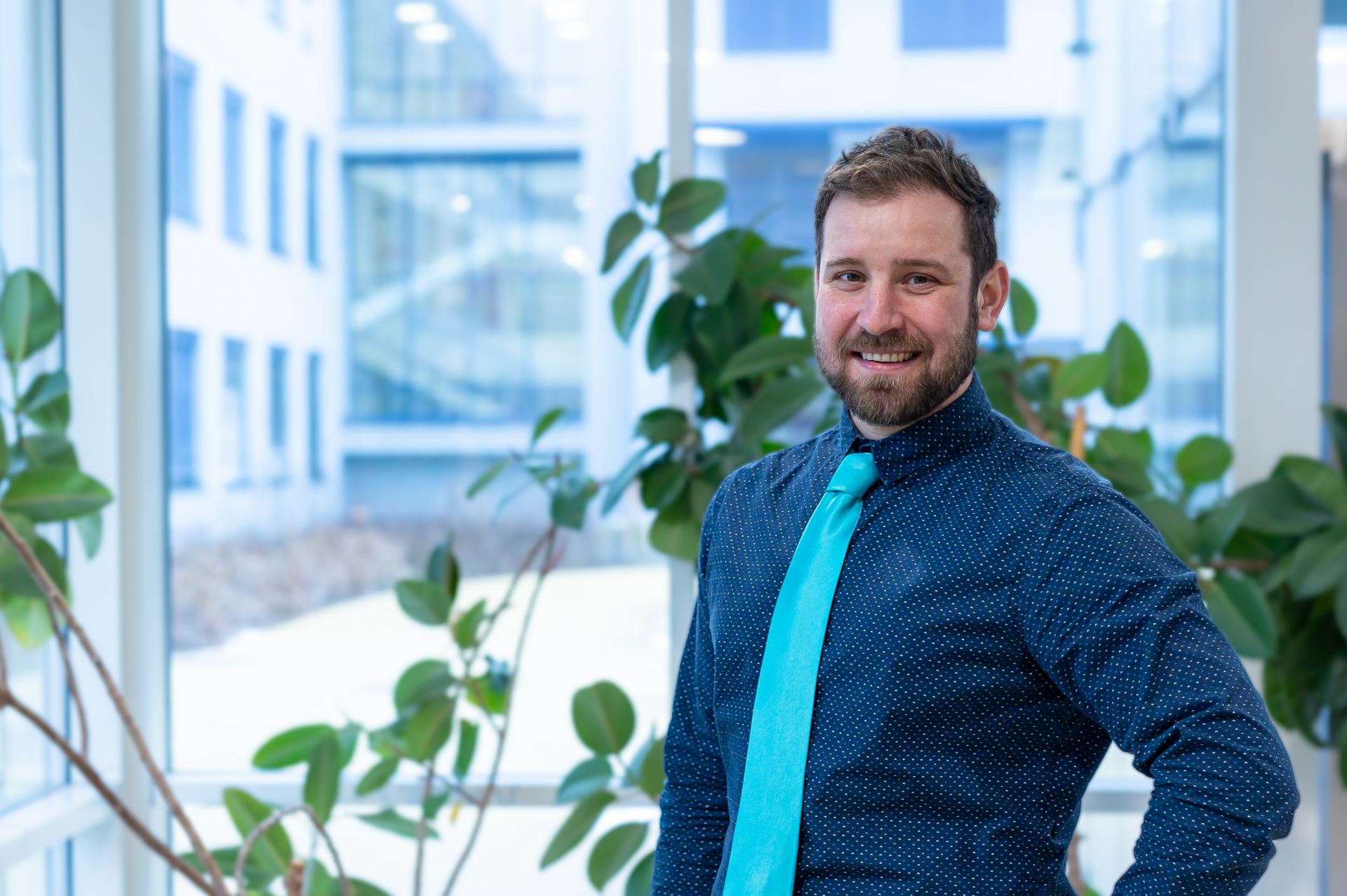
More than a striking demonstration of controlled explosions and fires, last year’s experiments conducted by specialists from the Faculty of Safety Engineering (FSE) at VŠB–Technical University of Ostrava marked an important step toward enhancing safety, advancing hydrogen technologies, and reinforcing cooperation between industry, academia, and the Integrated Rescue System (IRS). Carried out in cooperation with several partners, the large-scale tests are designed to produce data that can help prevent future loss of life and property. The results will be integrated into the training of firefighters and future safety professionals and shared with the IRS. Further information was provided by Vojtěch Jankůj, Vice-Dean for Science and Research and Coordinator of the Center of Excellence for Safety Research at the FSE.
Last year, you conducted a series of experiments at the Hradiště military training area. What was their aim?
Our goal was to document the risks linked to potential real-world scenarios, understand appropriate responses, and prepare security forces accordingly. As hydrogen is still viewed as an alternative energy source or carrier, we concentrated on hazardous situations that may arise during its transport and storage in pressure cylinders of different volumes and operating pressures—for example, in hydrogen-powered vehicles. Large-scale testing offers a realistic view of what can happen in non-standard situations, such as fires, and enables us to incorporate these findings into university teaching as well as into the education and training of members of the Fire Rescue Service of the Czech Republic (FRS CR). We also analyse and share the collected data with the FRS CR, which can then adjust or expand standard intervention procedures based on new insights. One case in point is a fire involving a large hydrogen cylinder and the question of whether the existing safety distance for responding units is adequate or whether alternative tactics should be used.
Why were most of the experiments carried out at the Hradiště military training area?
We have been using this military site for many years thanks to our cooperation with the Czech Police Special Unit URNA, and it is also a place where we regularly meet colleagues from the Prague Fire Rescue Department and the Technical Institute of Fire Protection, long-standing partners of the FSE. We value the opportunity to use the area granted by the Czech Army, even though it primarily functions as a shooting range rather than an experimental facility. From the standpoint of safety requirements for large-scale testing, however, it is one of the few locations suitable for experiments of this magnitude. Commercial partners were also involved in the implementation, often already at the stage of designing the experiments. For example, the April tests were conducted in cooperation with the University of Defence, where various firearms were used to create controlled damage to pressure cylinders. Vítkovice Cylinders, a leading manufacturer of pressure vessels, supplied the cylinders, while filling was arranged in cooperation with Linde Gas. The specifications of the weapons and ammunition used were provided by the University of Defence.
You were among the first to conduct large-scale experiments focused on the behaviour of hydrogen pressure cylinders in a fire. What made these tests exceptional?
The size of the cylinders. Previously, we had worked with standard 50-litre pressure cylinders rated at 200 bar, which are the most widely used in practice. In this case, however, thanks to Vítkovice Cylinders, we were able to test a 250-litre cylinder, which was unique. The objective was to determine how such a large cylinder behaves under fire conditions and whether the hazard zone increases proportionally with a fivefold increase in volume.
Where are these cylinders typically used, and what scenarios did you simulate?
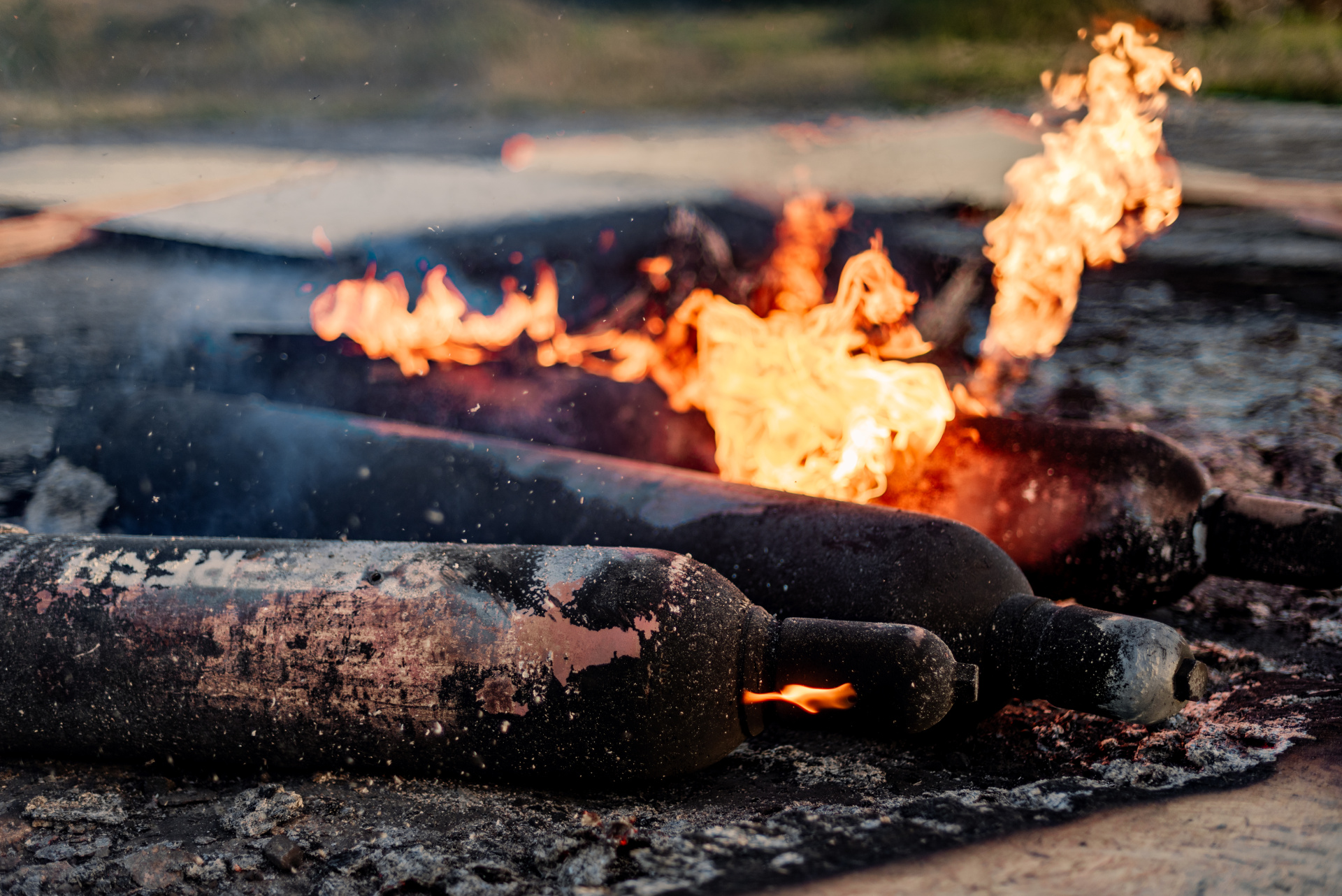
They are mainly used in industrial facilities as stationary storage tanks. Unlike 50-litre cylinders, they are not intended to be moved but serve to store larger volumes of gas. We simulated a fire and observed the behaviour of the pressure cylinder up to the point of rupture. We monitored the temperature of the cylinder shell and the internal pressure, as the mechanical strength of the shell material decreases with increasing temperature. Monitoring these parameters enables us to determine destructive pressure levels at elevated temperatures.
What technologies did you use, and what key findings emerged from the experiments?
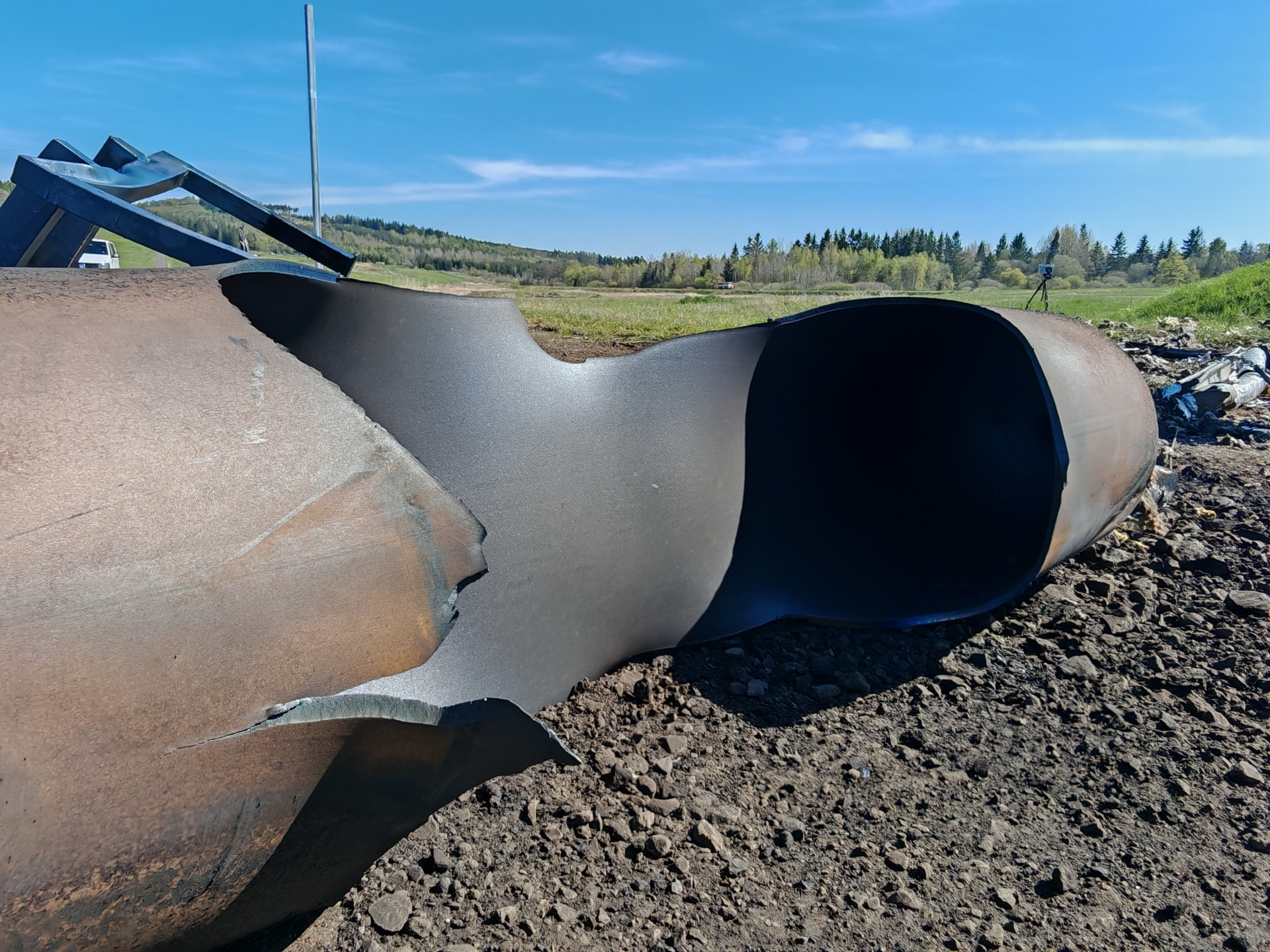
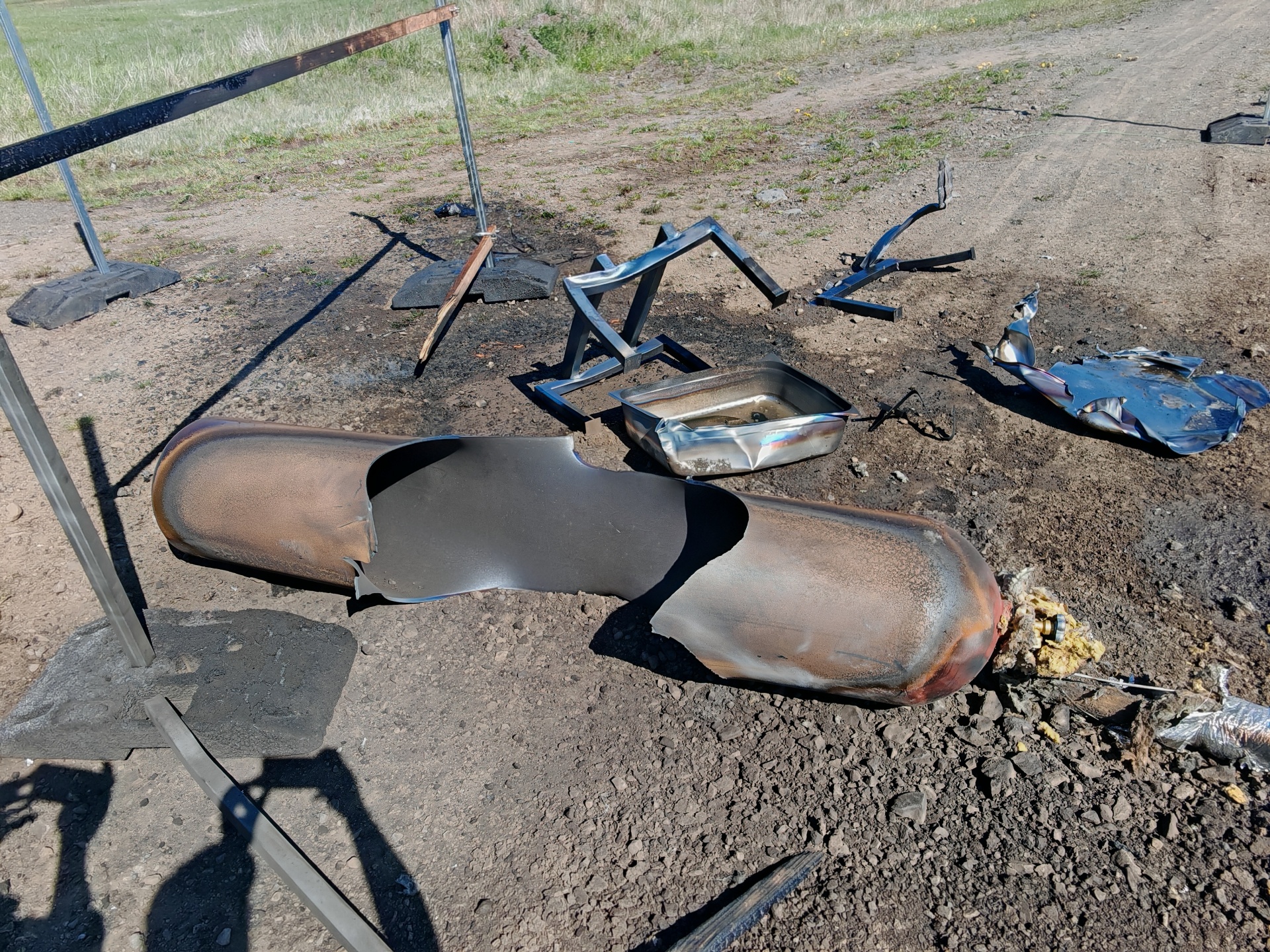
Regarding measurement techniques, we monitored surface temperatures and internal pressures and used drones equipped with thermal cameras, along with high-speed and standard video cameras. The results showed that larger cylinders, specifically those with a volume of 250 litres, produced far more extensive fragmentation during uncontrolled explosions. By way of example, a fragment measuring roughly half a metre was propelled as far as 700 metres. The resulting hazard zone was therefore considerably larger. While the standard safety distance for 50-litre cylinders is set at 300 metres, in this case, we kept the distance of 800 metres, with a metal fragment landing just 100 metres in front of our position. Other fragments travelled even farther in different directions. As cylinder volume increased, we observed a marked escalation in the associated risks. This information is crucial.
You also focused on the controlled piercing of pressure cylinders by shooting. Is this procedure commonly used in the event of a fire?
The method of controlled piercing of pressure cylinders is associated with our faculty’s implementation team, which has been working for some time on eliminating the risk of pressure cylinder failure by piercing, particularly in relation to acetylene cylinders. When acetylene is stored in a pressure cylinder, heat from a fire or improper handling can initiate decomposition processes inside the cylinder, leading to an increase in internal pressure and temperature. These processes may continue even after the fire has been extinguished, creating a risk of spontaneous rupture after a certain period. The standard approach is to cool the cylinder for an extended time after the fire and to monitor its surface temperature for 24 hours. If the cylinder is located, for example, in an industrial hall or garage, the facility must be closed and a danger zone of more than 200 metres established. This solution is very demanding, which is why, for instance, in Sweden, the idea emerged that trained firefighters could pierce the cylinder in a controlled manner, immediately stopping the decomposition processes inside.
Is such a cylinder then immediately safe?
Yes, and there is no need for prolonged monitoring or further procedures. We are aware of a case involving a garage fire with an acetylene cylinder beneath a motorway bridge. Thanks to controlled shooting, a long-term traffic closure was avoided. Based on this experience, the faculty team previously examined this option and proposed procedures and recommendations for incorporating it into the Fire Rescue Service’s operational guidelines for such incidents.
So you then moved on from acetylene to hydrogen?
We followed up the work on acetylene by addressing hydrogen compressed in pressure cylinders. Cooperation with special units enables us to practise various situations and crisis scenarios. During the experiments, different types of weapons were used to allow controlled shooting of the cylinders, including standard equipment used by security forces as well as weapons tested for the first time thanks to cooperation with the University of Defence. At the same time, this allowed us to verify what tools might be applicable in similar situations. During controlled shooting, we monitor, among other things, the reach of the flame and potential threats to the surroundings, not only from fragments but also from thermal effects. Any intervention takes place only after the area has been fully secured and the risk of secondary damage eliminated.
Another experiment involved a hydrogen vehicle fire. Why did you focus on this?
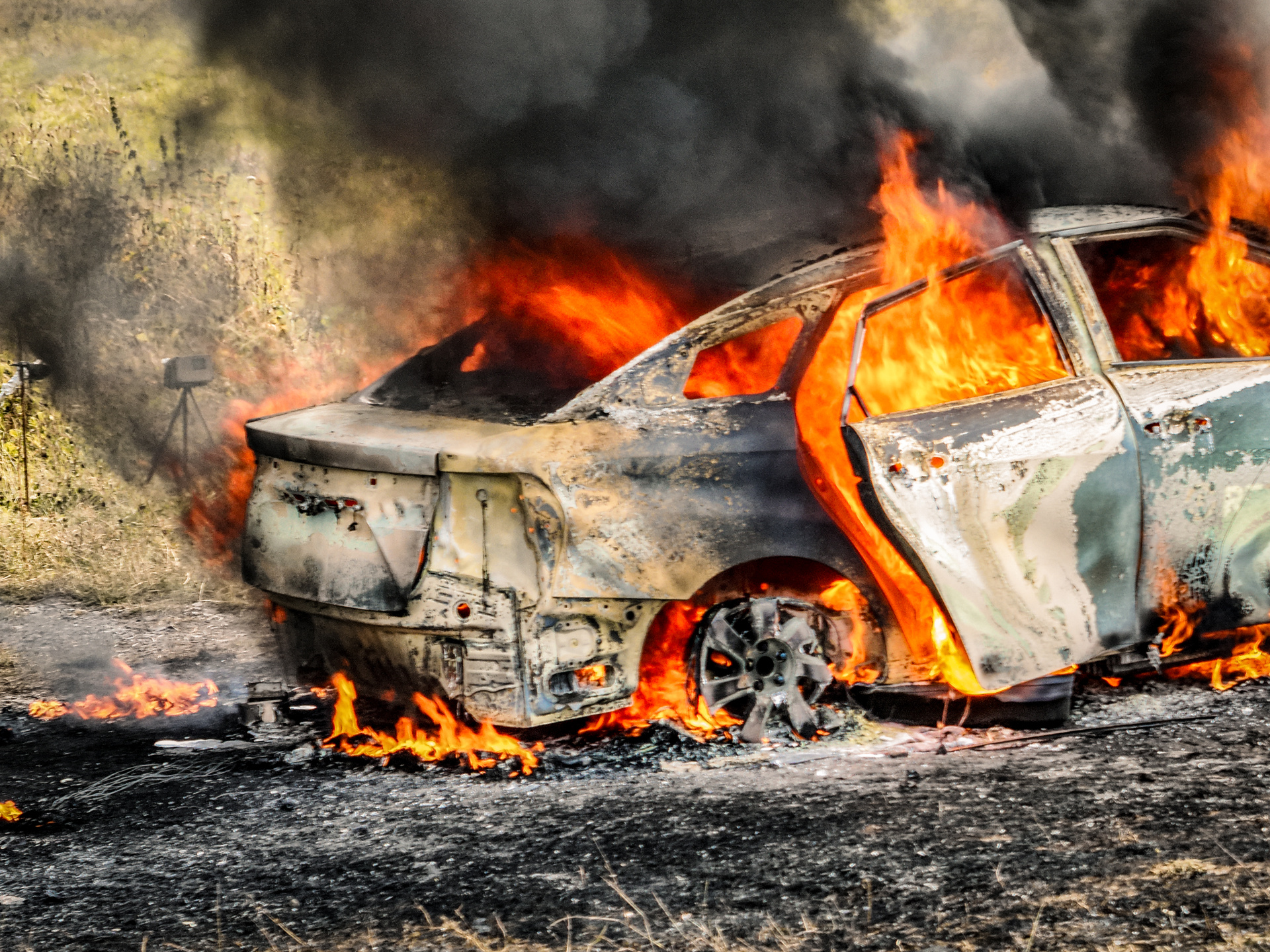
We addressed this issue with a view to possible recommendations for firefighters on how to proceed in the event of a hydrogen vehicle fire. In theory, hydrogen is released when overheated or under increased pressure, with hydrogen from the vehicle’s pressure cylinders being discharged via a pressure relief valve. Although experiments and simulations have been carried out in the past, it was not possible to find more detailed information. The only available data indicated that hydrogen escapes downward, but there was no clarity on how long this takes or how exactly it occurs. There was also no realistic picture of what an entire vehicle looks like during a fire; only individual pressure cylinders had been studied. The aim of the experiment was therefore to place a fully pressurised vehicle, representing a worst-case scenario, into a fire and determine when the gas is released from the cylinders, while monitoring fire development, the extent of the hydrogen-affected zone, and other parameters.
What did you find?
We observed that the safety system and the controlled release of hydrogen from the vehicle’s pressure cylinders functioned as intended, which is very positive from the user’s perspective. At the same time, however, we saw what can happen if a firefighter arrives on the scene ten minutes after the fire breaks out and begins extinguishing the burning vehicle from the rear, as is common practice with conventional cars. Each manufacturer may use a different fuel release safety system, and conditions may not be uniform or standardised. Hydrogen vehicles may not be immediately recognisable, and some people may not even realise that they are already present on our roads. That is why we are compiling this information for further training, not only for the Fire Rescue Service, but also for the general public.
How is hydrogen technology safety addressed, for example, in vehicles? Do we already have sufficient information?
A great deal has already been done in this area, but at the same time, many issues remain unclear. It is essential for us to observe everything directly and see it for ourselves. Only then can we provide informed training and education to others. In principle, there is no reason to fear hydrogen vehicles simply because they use hydrogen. They are designed to be safe, as our experiments confirm. However, every new technology and type of propulsion brings new challenges and risks that must be understood and managed, just as has been the case with the development of electromobility or, in the past, with the introduction of LPG.
What are you planning in this regard?
In connection with the experimental hydrogen vehicle fire, we organised a workshop in which we presented this topic to the Fire Rescue units in Ostrava over the course of three days. They were able to see our videos, experimental recordings, and the vehicle itself firsthand. We familiarised them with potential risks, both from a theoretical perspective and based on real experiments. One of the key recommendations is that hydrogen vehicles should not be approached from the rear, that is, from the trunk, but rather from the sides or the front. It is also essential to make firefighters aware that such vehicles exist, what they look like, and that they may encounter them during an intervention; how to identify them, even though this is often very difficult. The response was very positive. It confirmed that this information is new to firefighters and that there is a clear need for it. Further dissemination will depend on agreement and coordination of additional activities with the Fire Rescue Service of the Czech Republic. At the same time, all of this will be incorporated into our teaching materials at VŠB-TUO. We are aware that a new trend is entering the public sphere and that we must respond to it. To do so, however, we need reliable information, which is why we make every effort to stay up to date.
Are you planning any further experiments?
In the course of this year, we would like to test hydrogen pressure cylinders with a smaller volume but a much higher pressure, up to 1,000 bar. From the perspective of filling and logistics, this is extremely demanding and, for now, remains a plan. Nevertheless, our aim is to observe the behaviour of such a hydrogen-filled cylinder under fire conditions. We also have two hydrogen vehicles available for experimental testing. We would like to prepare a critical scenario in which the emergency hydrogen release valve fails and the cylinder ruptures in an uncontrolled manner. Another possible topic is hydrogen leakage from a hydrogen vehicle in a garage, or tests involving separate composite pressure cylinders with hydrogen compressed to 700 bar.
How do you assess student involvement in the experiments?
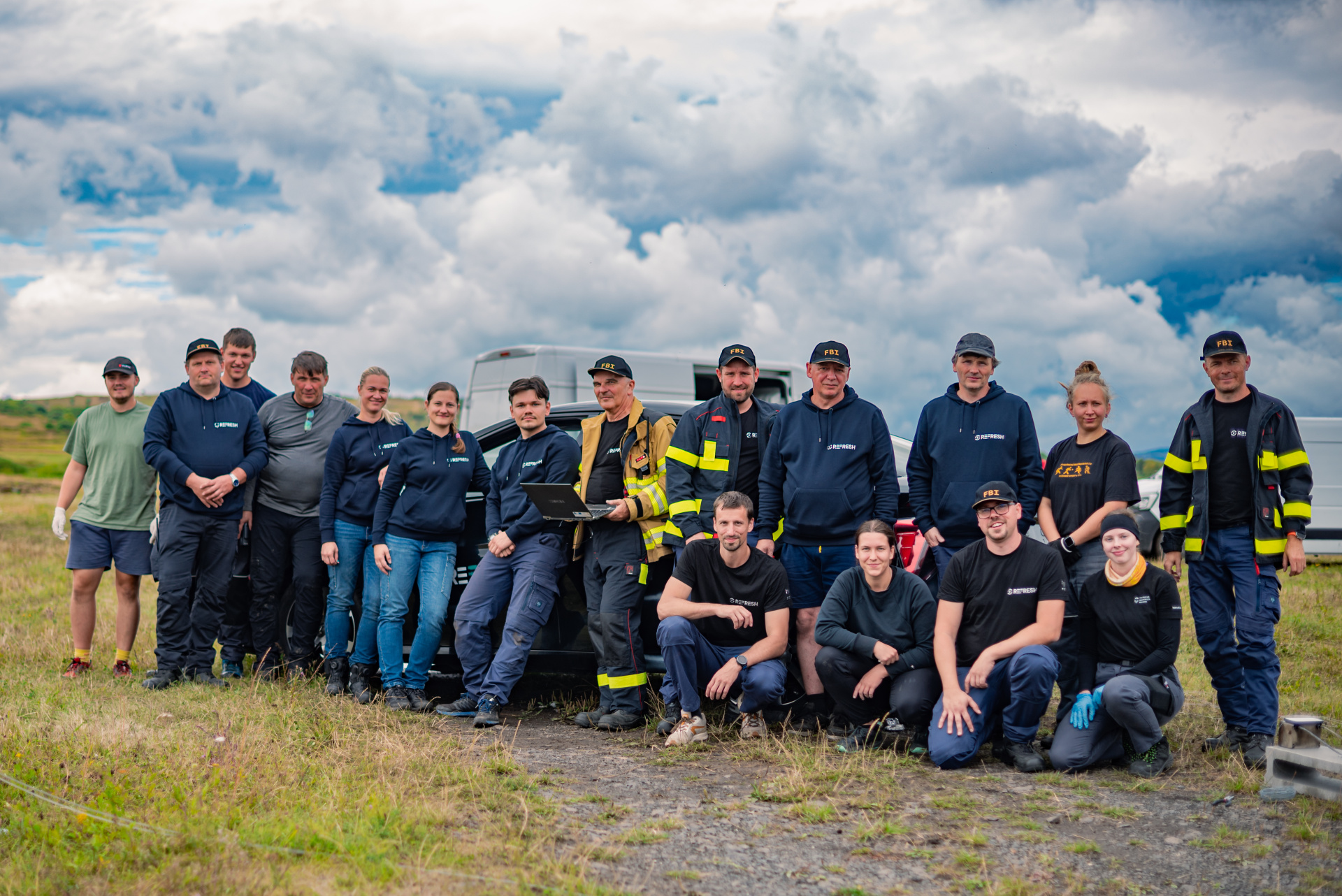
The students at our faculty were very active, capable, and genuinely interested. Moreover, they enjoyed the work, which made the entire process much more pleasant. We are pleased that we have people to whom we can pass on our knowledge and who are interested in what happens beyond the classroom. We spent several days together, and the opportunity to meet and work outside the academic environment was very valuable. The students’ presence and enthusiasm were certainly another welcome benefit of these experiments. I would also like to take this opportunity to thank my colleagues and the entire team who take part in these scientific and research expeditions to the western part of the country.
How has the REFRESH project contributed to the transformation of the Moravian-Silesian Region, of which you are a part?
Within the REFRESH project, supported by the Operational Programme Just Transition, we focus on studying the behaviour of various materials under fire conditions. This is precisely what these experiments address. The knowledge gained also represents one of the cornerstones of the newly established Center of Excellence for Safety Research (CESAR), funded by the Horizon ERA Chair project. Among other objectives, this initiative aims to strengthen our capacity to carry out large-scale experiments and to transfer the resulting knowledge into education and practical application.