REFRESH enhances the safety of hydrogen technologies and provides key insights for practical application
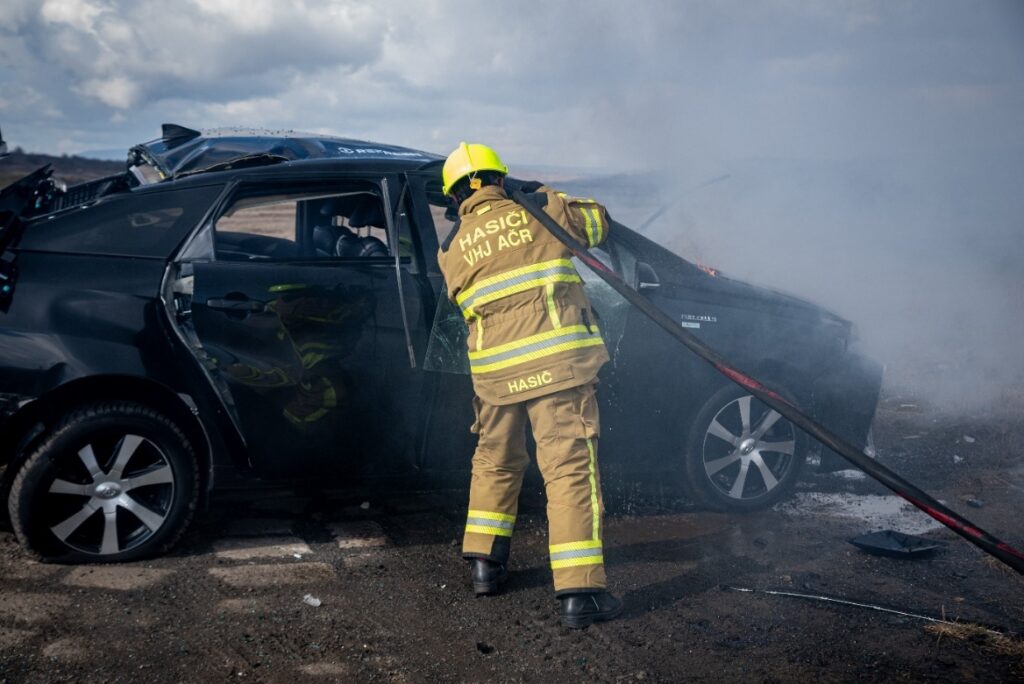
In March, specialists from the Faculty of Safety Engineering at VŠB-TUO carried out another series of large-scale experiments focused on the safety of pressure vessels and hydrogen technologies at the Hradiště military training area in the Doupov Mountains. The tests were conducted in collaboration with colleagues from the Center for Energy and Environmental Technologies, the University of Defense, the Fire Rescue Service of the Czech Republic, the Police of the Czech Republic, and the Czech Armed Forces, with additional support from other VŠB-TUO departments.
“The aim of the experiments was to examine the behavior of pressure vessels and hydrogen systems under emergency conditions such as fires, extreme thermal stress, or mechanical damage. The researchers concentrated primarily on critical scenarios related to pressurized hydrogen storage,” said Vojtěch Jankůj, Vice Dean for Science and Research at the Faculty of Safety Engineering.
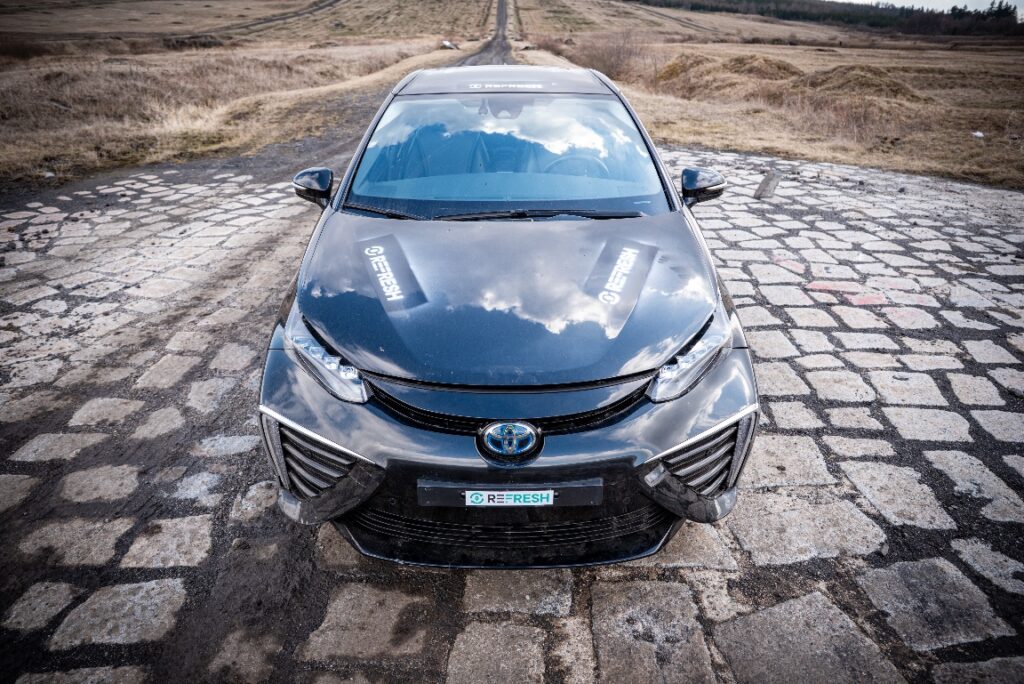
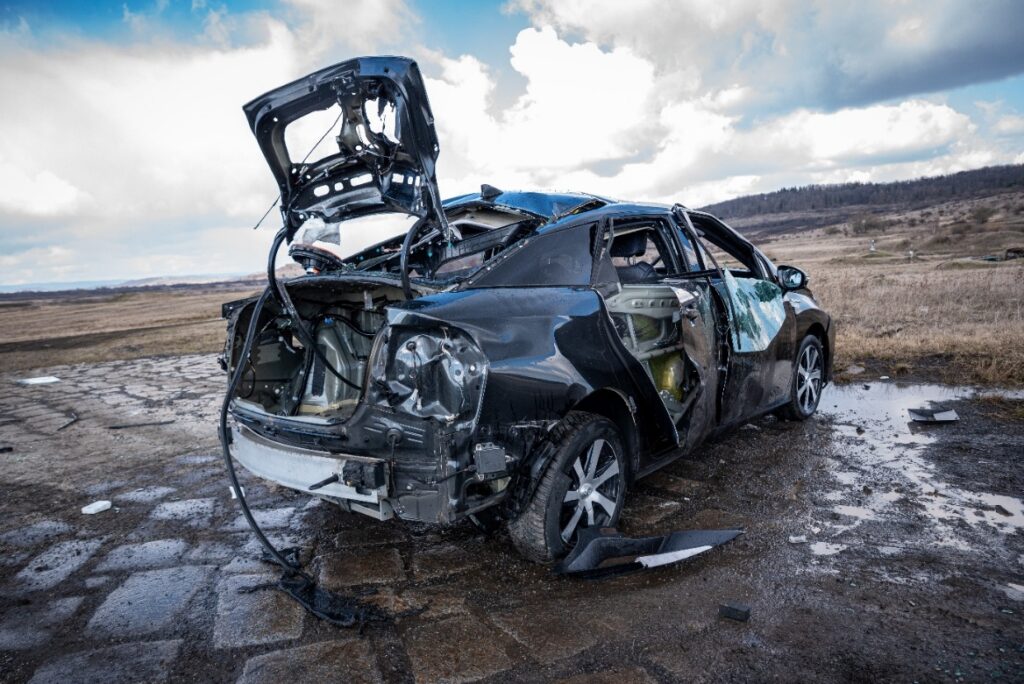
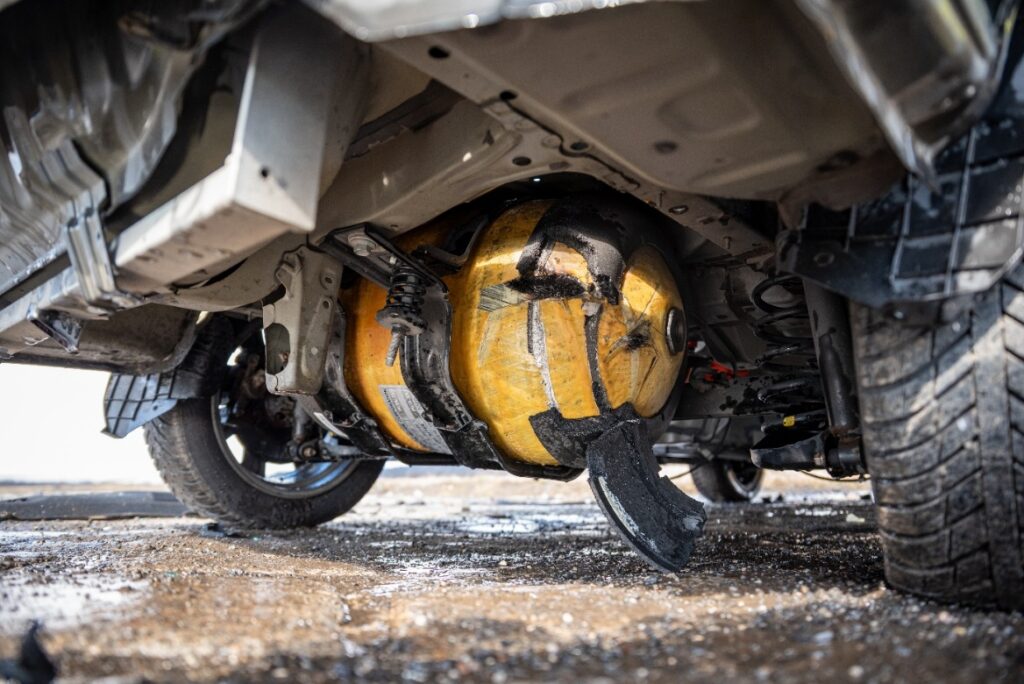
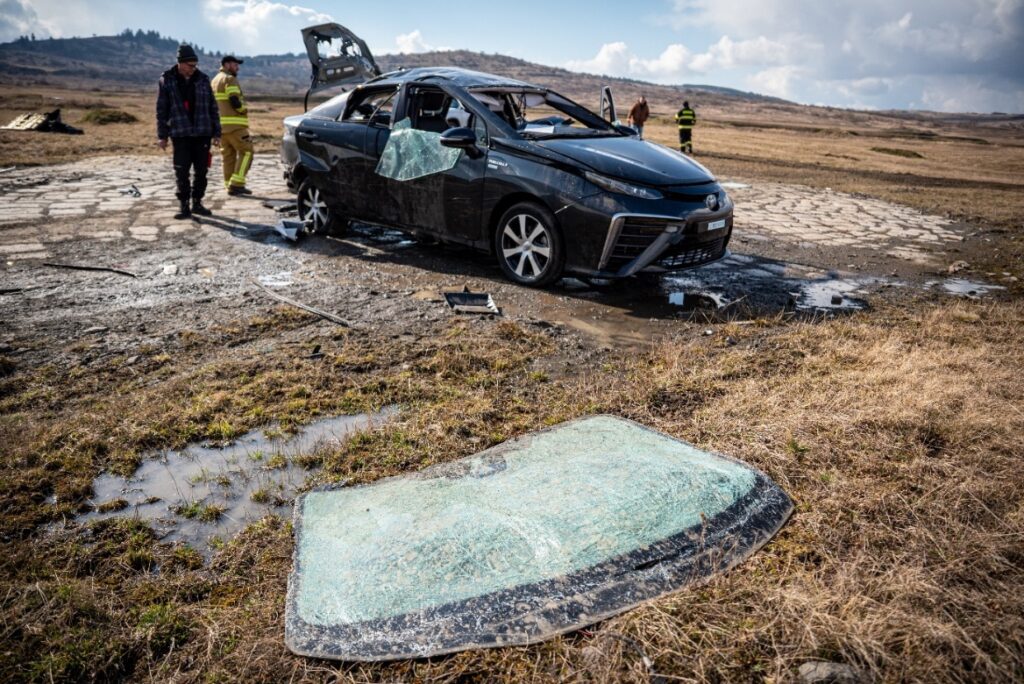
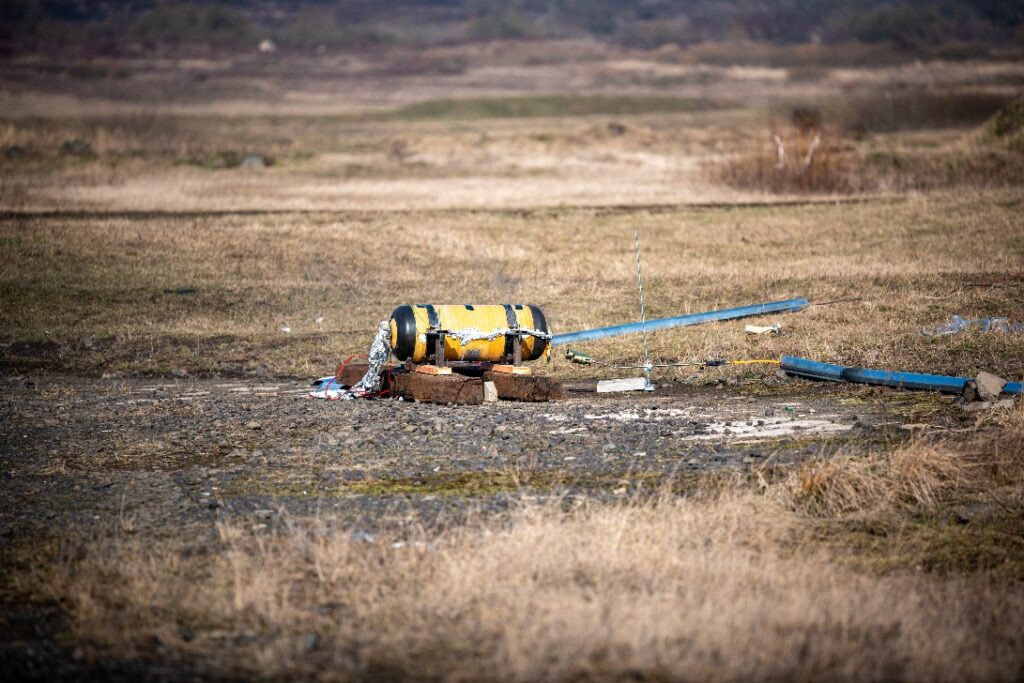
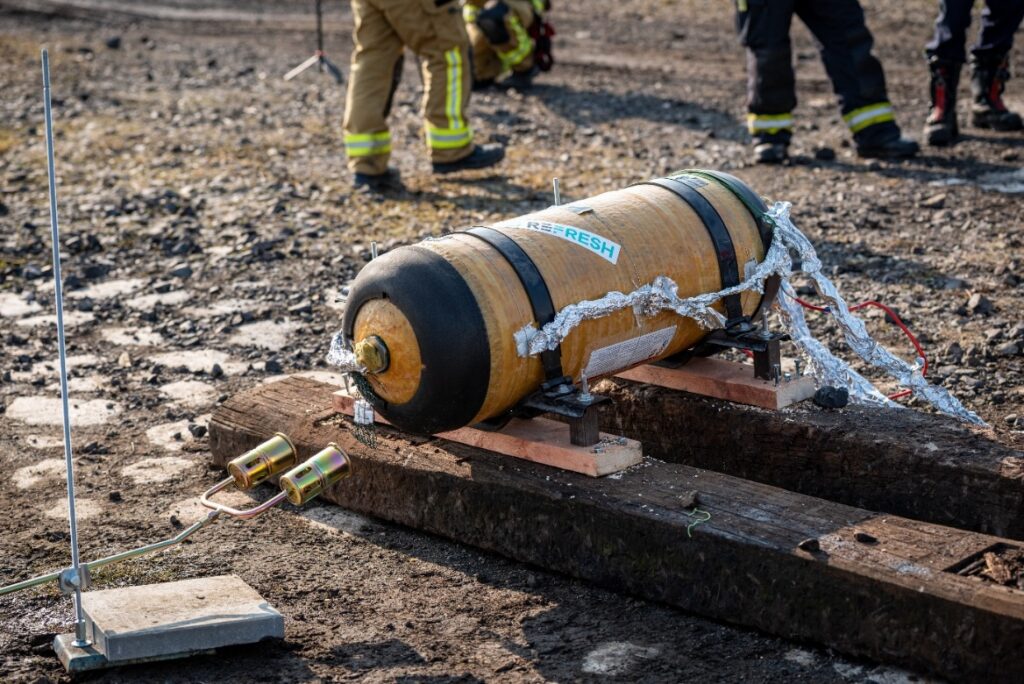
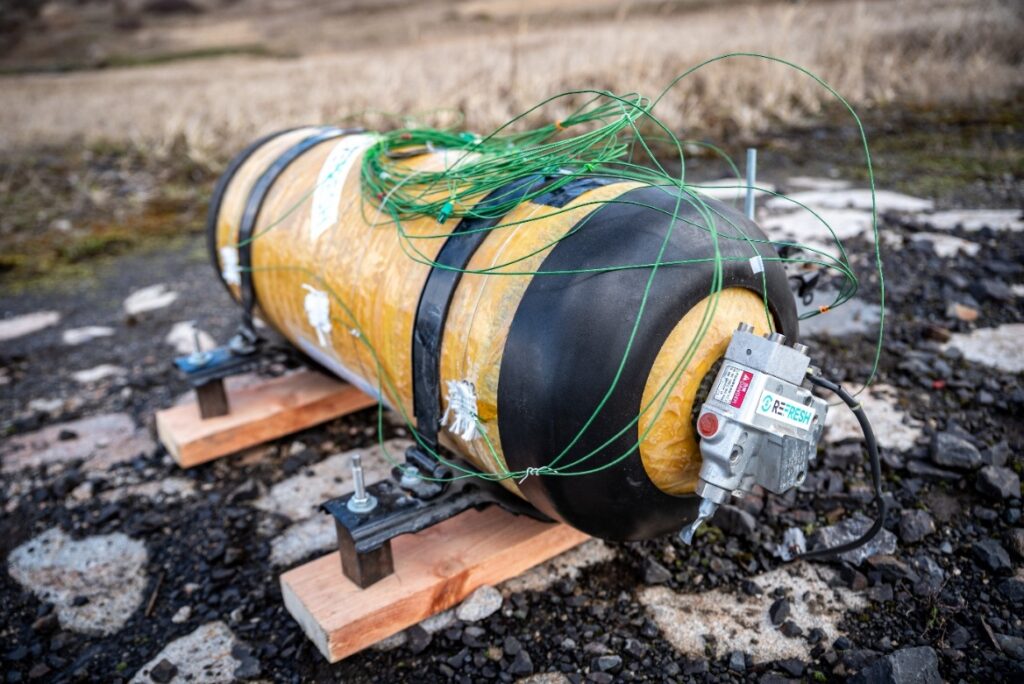
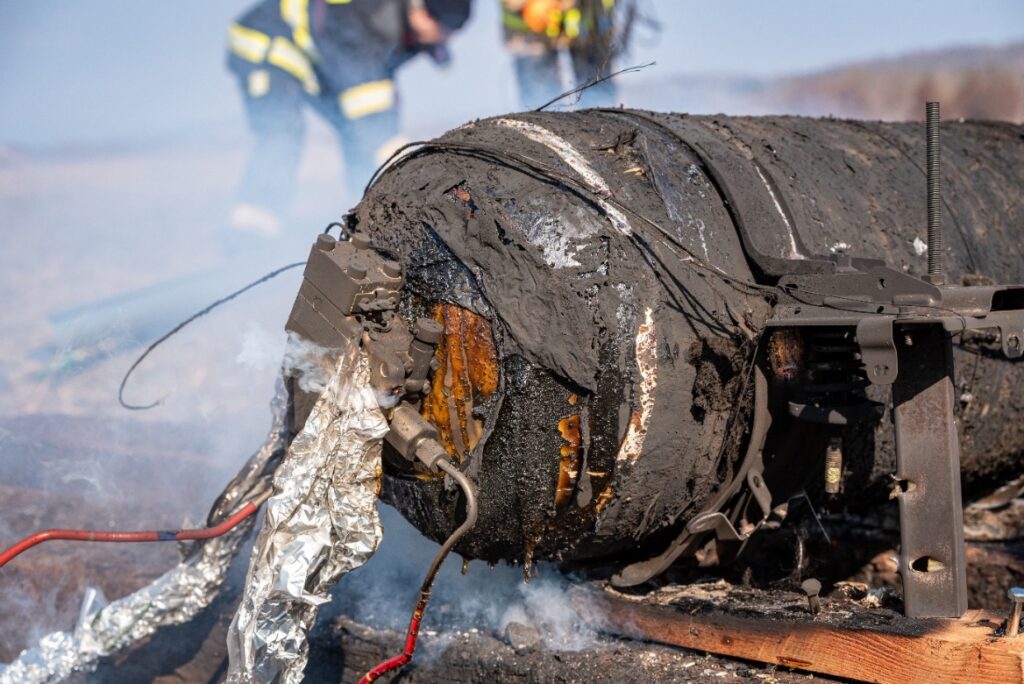
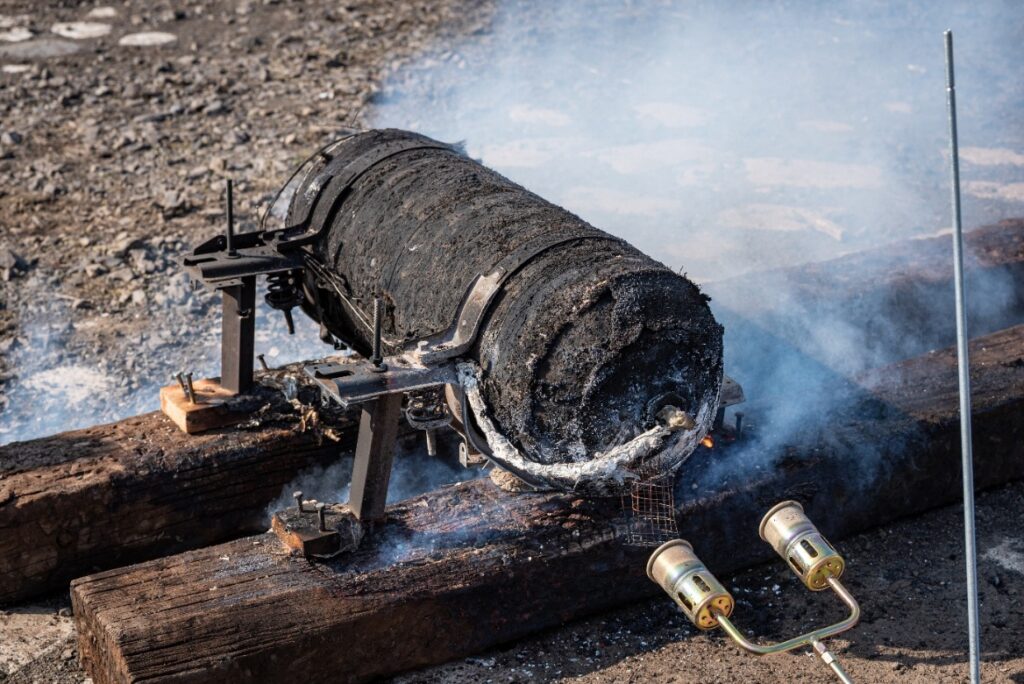
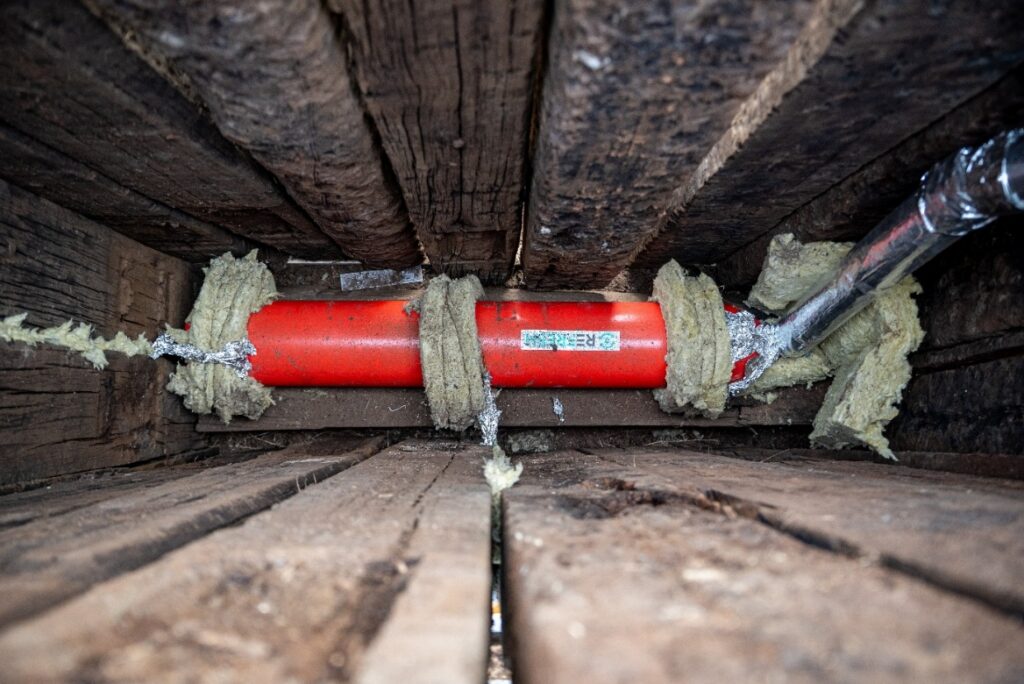
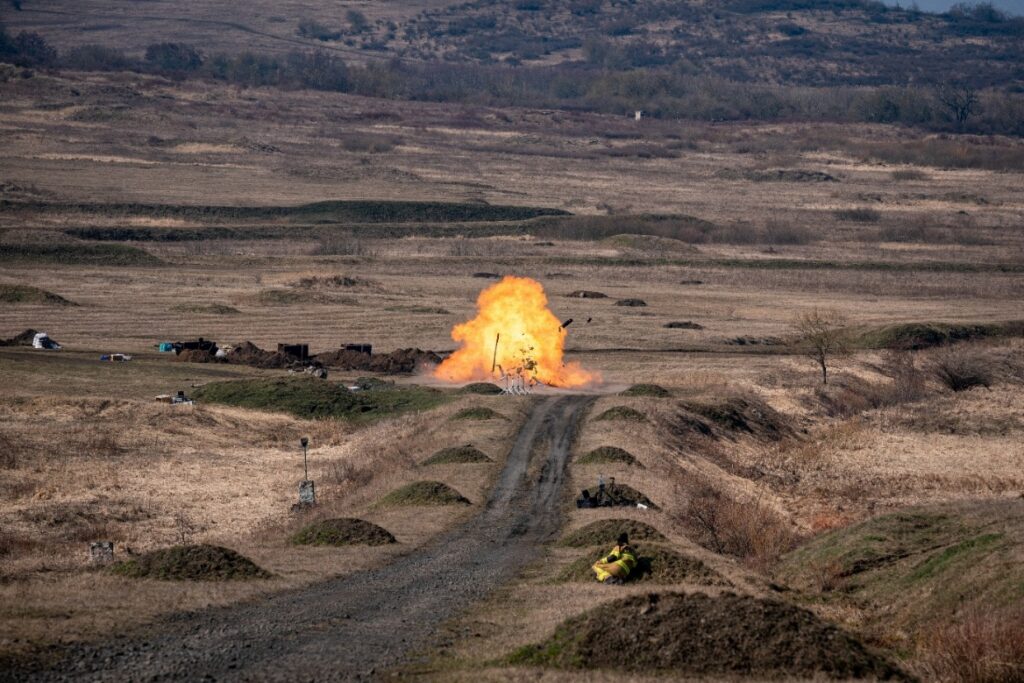
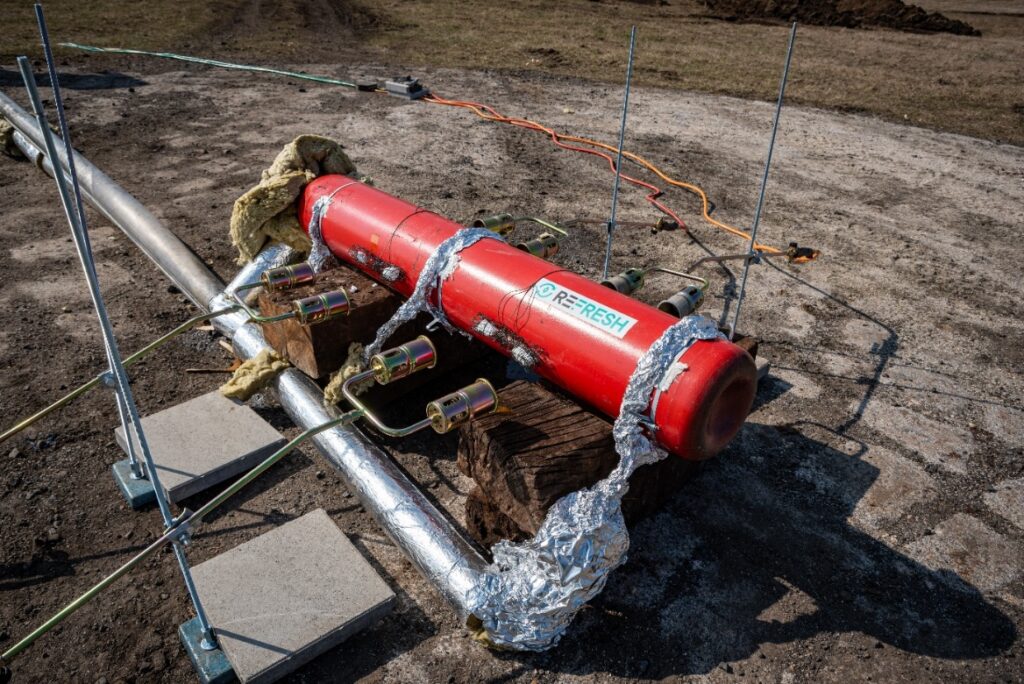
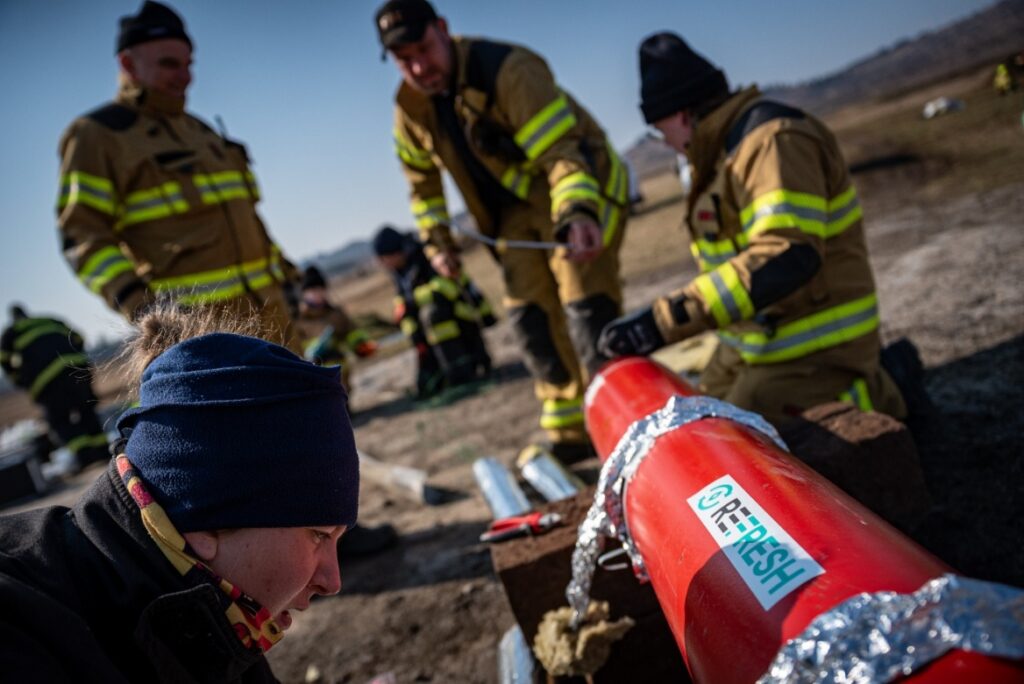
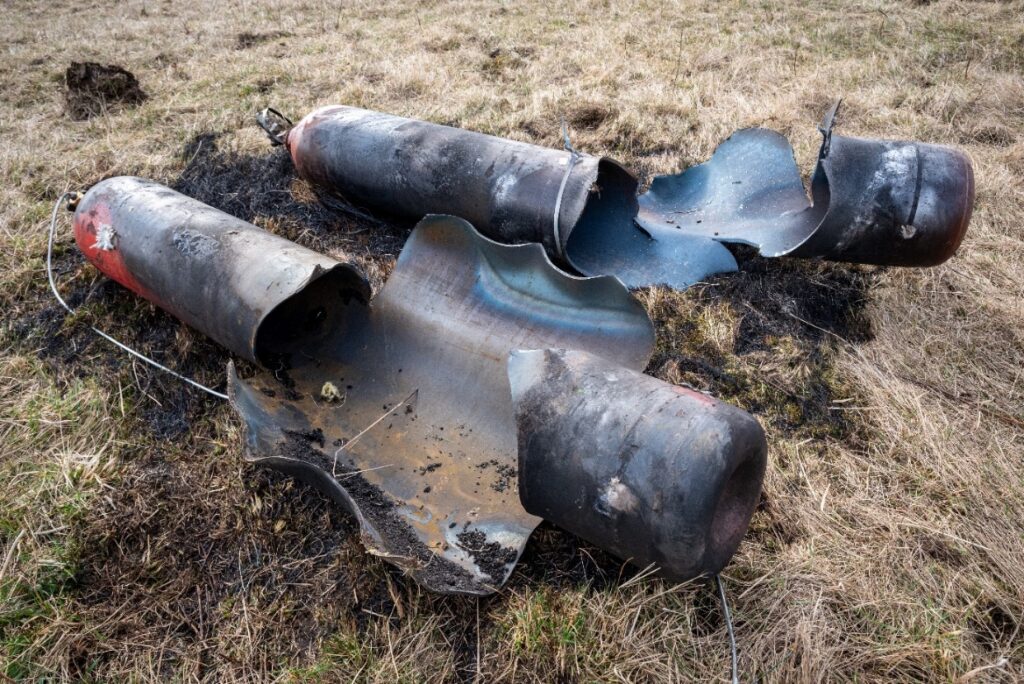
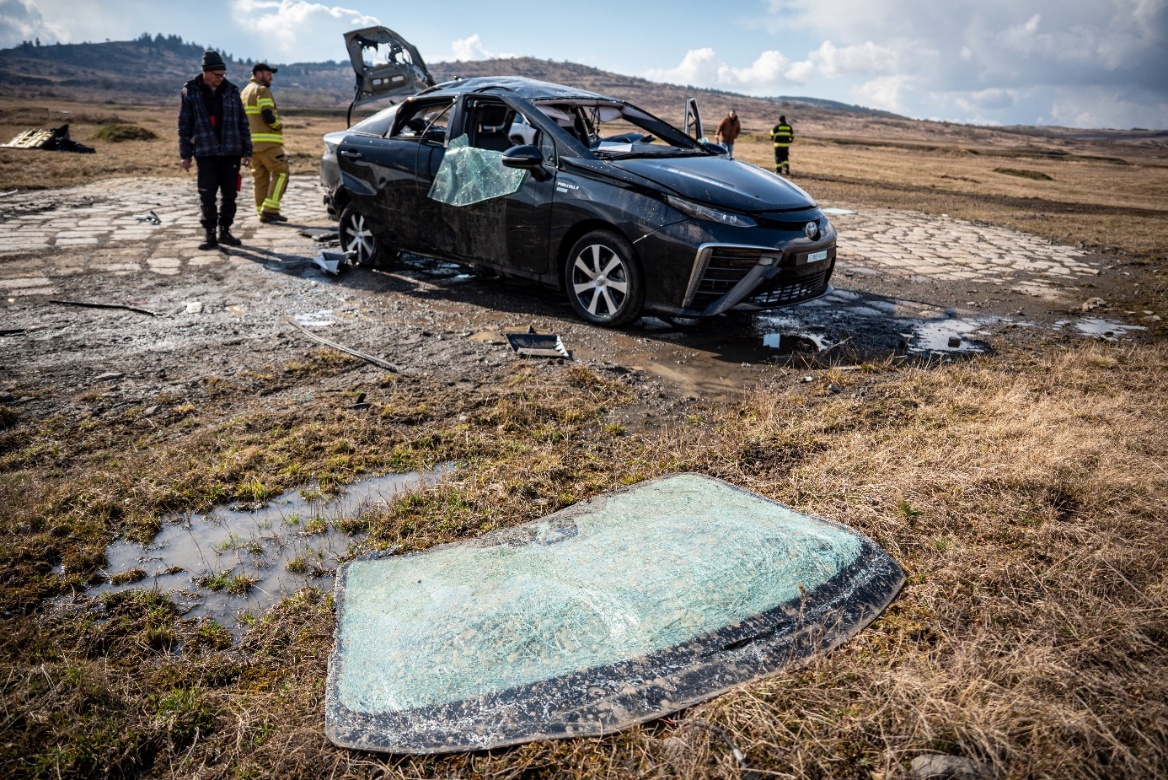
A key component involved testing a hydrogen-powered vehicle, where the durability of composite pressure vessels and the feasibility of their safe depressurization were assessed. The experiments also demonstrated that the behavior of these vessels under crisis conditions differs markedly from that of conventional steel pressure systems. Another segment addressed the thermal resistance of composite pressure cylinders under localized heating and evaluated the performance of safety features under high loads. The third area comprised destructive testing of steel pressure cylinders filled with hydrogen and nitrogen, aimed at obtaining detailed data on fragmentation and the dispersion of debris following an explosion.
“Only testing in real-world conditions allows us to fully understand how hydrogen systems behave. The data we have gathered enables us to better equip emergency responders for situations that cannot be entirely replicated through simulation,” added Jankůj, who also serves as coordinator of the Center of Excellence for Safety Research at the FBI.
Students were actively involved in the experiments, assisting with technical support, documentation, and data collection. They will further apply the results in their theses as well as in subsequent research activities.
The findings enhance the expertise of the Moravian-Silesian Region in the area of modern energy technology safety, and emergency preparedness. “Their significance becomes particularly clear in emergency scenarios such as fires, accidents, or transport-related incidents, where every minute counts and accurate situation assessment is essential for minimizing damage and ensuring responder safety. The results, therefore, represent a solid basis for the continued development of specialized know-how that can be applied through cooperation between the research community, integrated rescue services, and other expert partners,” Jankůj concluded.