Researchers to explore the use of humanoid robots in industry
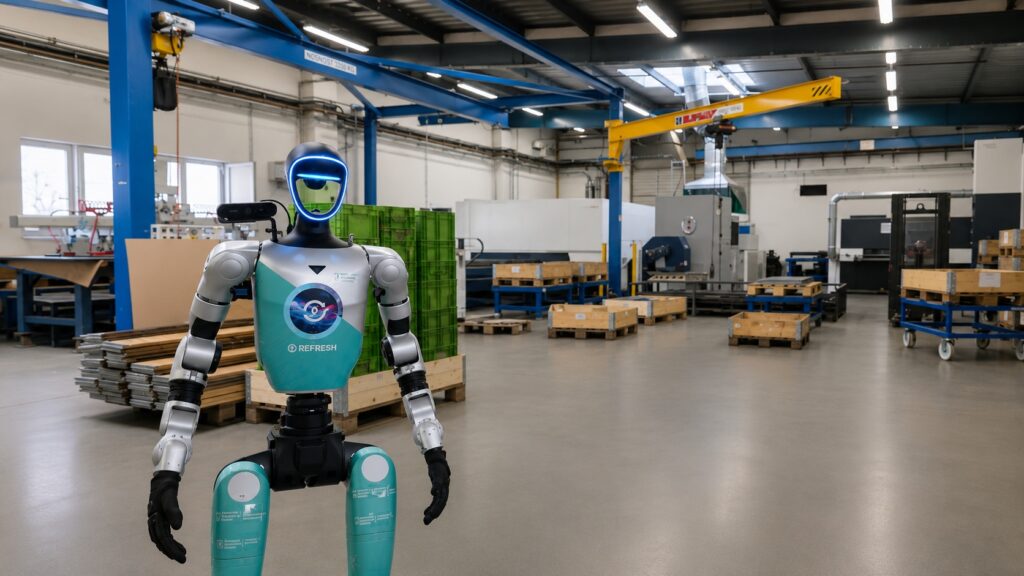
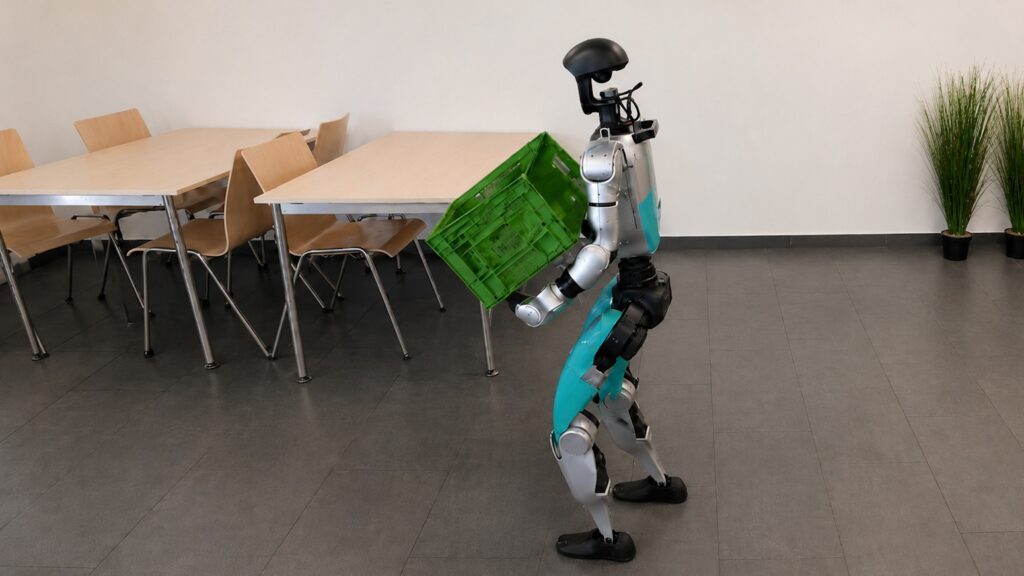
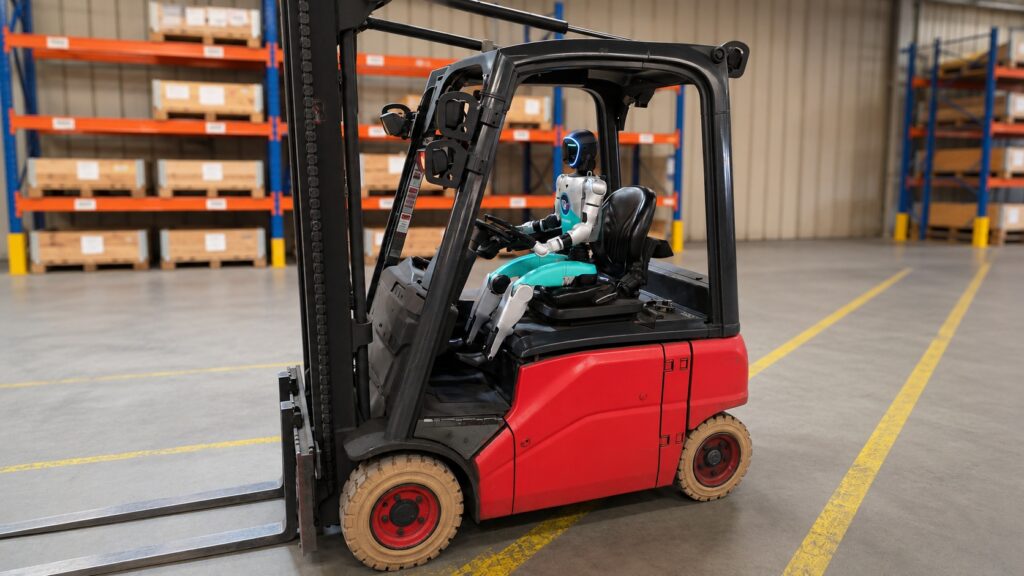
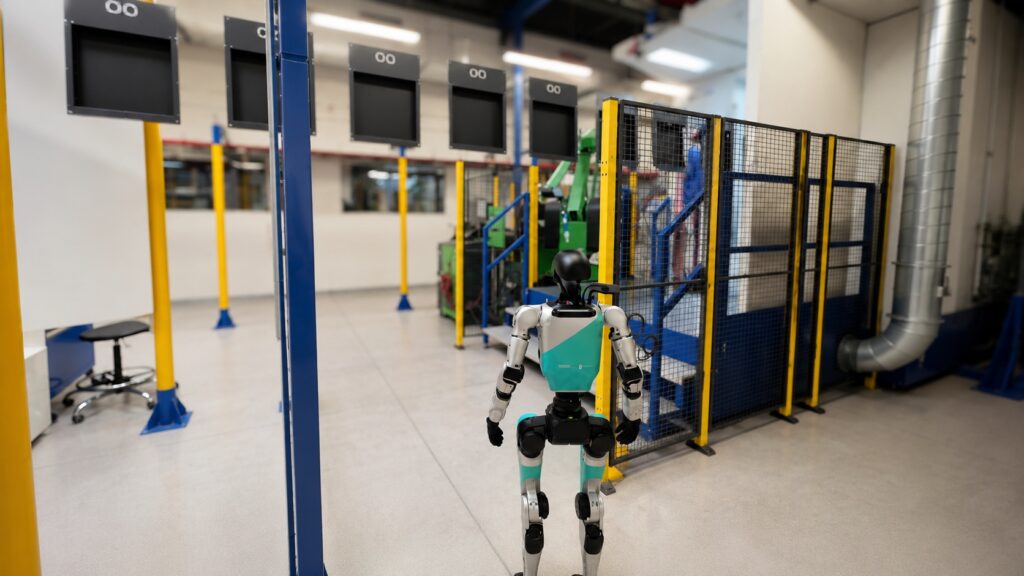
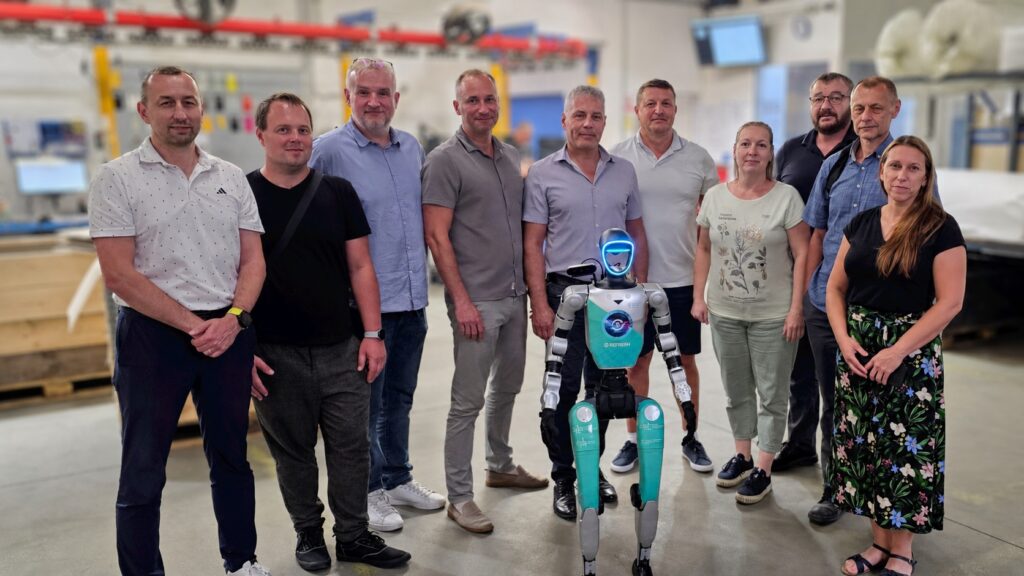
A feasibility study and experimental validation of the deployment of a humanoid robotic platform in industrial operations will be the outcome of a collaboration between experts from VŠB-TUO and NC Line within the European Digital Innovation Hub (EDIH) Ostrava 2 project. The project responds to the need of industrial companies to assess whether, and under what conditions, humanoid robotic platforms can be employed to support manufacturing and warehouse activities, such as intralogistics, parts handling, and inventory management.
“Humanoid robots are a rapidly evolving technology, but their practical applicability in real operational environments has not yet been sufficiently validated. The aim of the project, carried out under the Test before Invest initiative, is to develop a feasibility study based on the experimental testing of selected pilot tasks in both laboratory and real-world operating conditions, and to identify the requirements for workplaces suitable for the deployment of humanoid robots,” said Radim Hercík from the Faculty of Electrical Engineering and Computer Science at VŠB-TUO.
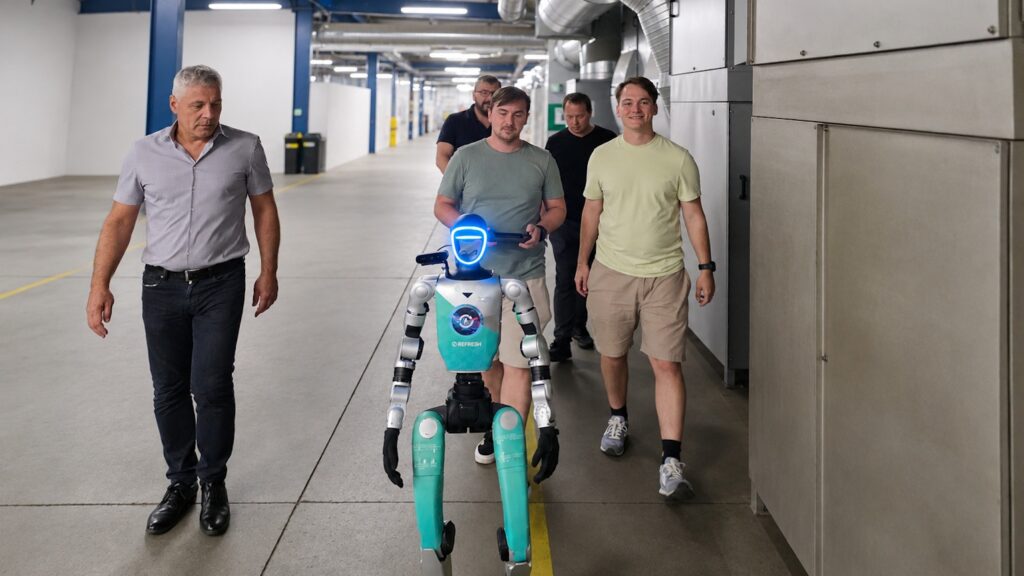
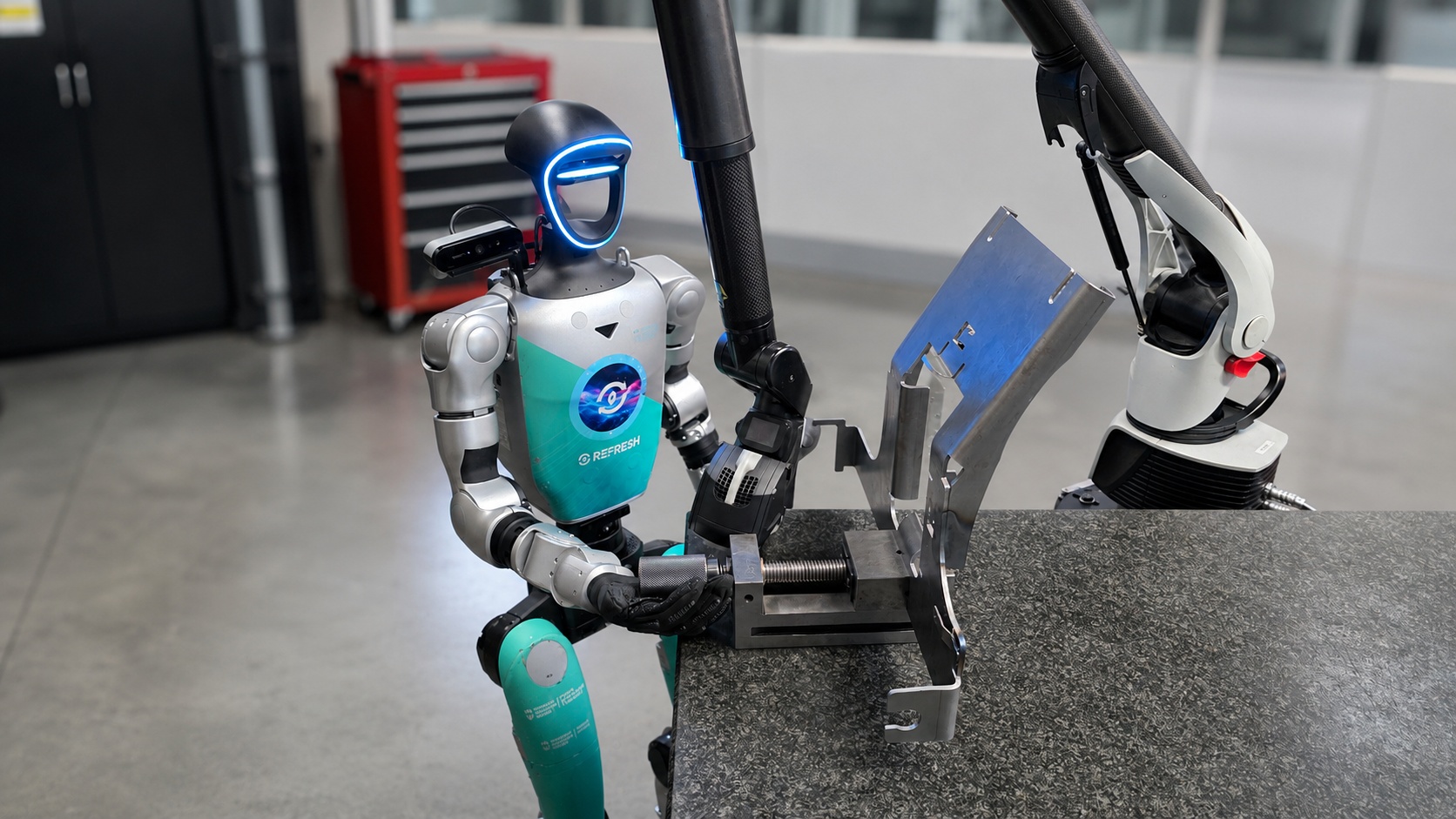
The project, which started this October and will continue until the end of April 2027, will involve an analysis of operational environments to assess their suitability for autonomous robot movement (localization and mapping, obstacle detection, lighting conditions, floor surfaces, wireless connectivity, and interference). Subsequently, selected pilot tasks involving autonomous navigation, object manipulation using AI algorithms, and automated visual inspection of warehouse locations will be implemented and tested using a humanoid platform. The validation process will also involve testing teleoperation, that is, remote control of the humanoid robot by an operator, as well as the application of imitation learning. Experts will first test and fine-tune all tasks in laboratory conditions before validating them in real-world operations.
The project outcomes will provide a basis for informed decisions on further investments in humanoid robotics while reducing the risks associated with deploying technology that may not be suitable for a particular operational environment. The study will determine which tasks can already be performed using current technology and which areas require further research and development. It will also offer recommendations on how to gradually adapt industrial operations to robotic systems. “A possible next step would be to extend the pilot testing to additional tasks and gradually introduce humanoid robots into industrial operations. The overall benefit would be improved safety and reduced physical strain on employees performing routine and repetitive tasks,” concluded Hercík.