VŠB-TUO acquires its first humanoid robot to open up new directions for research and education
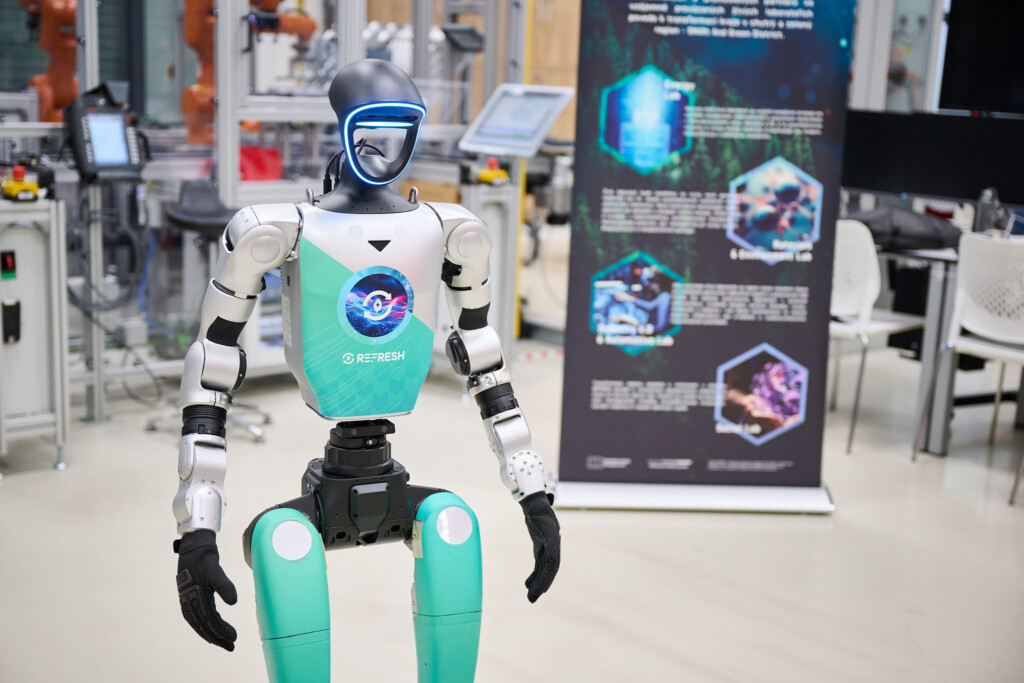
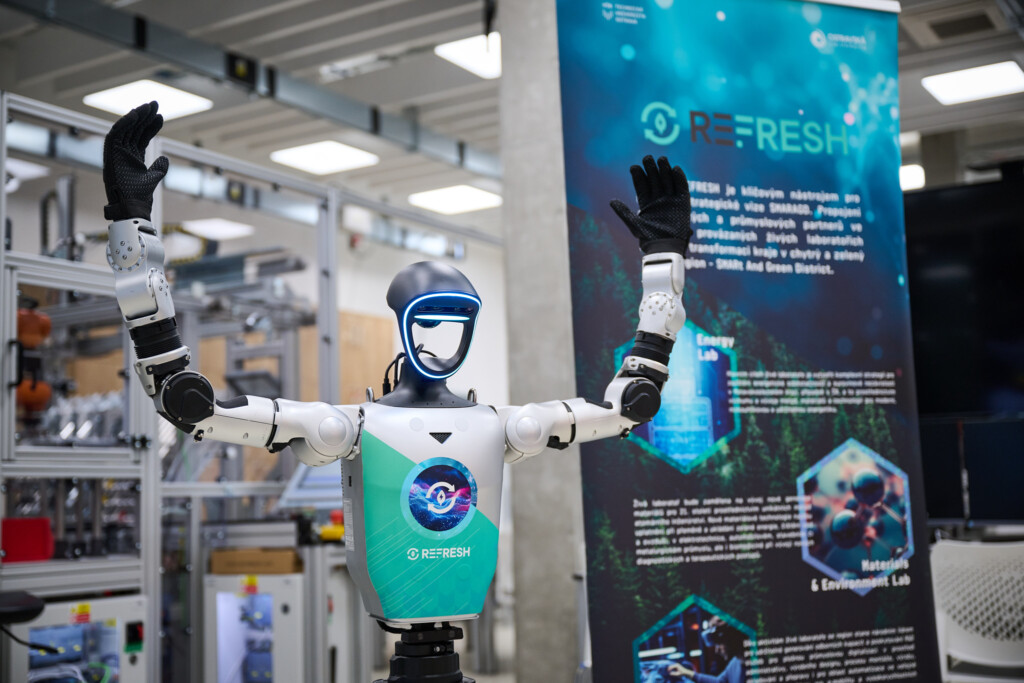
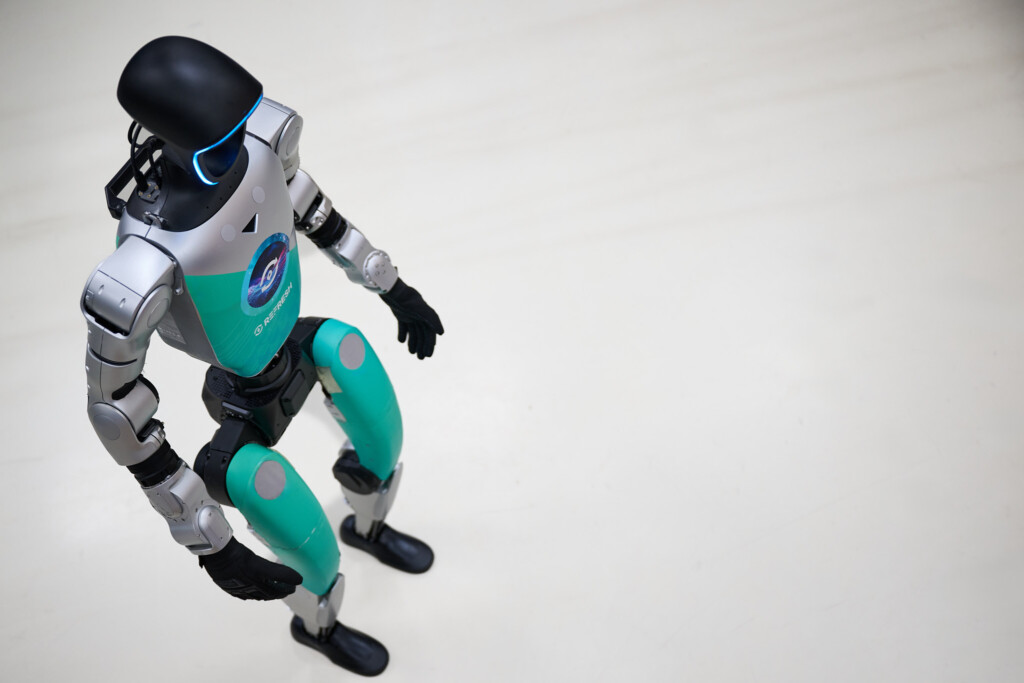
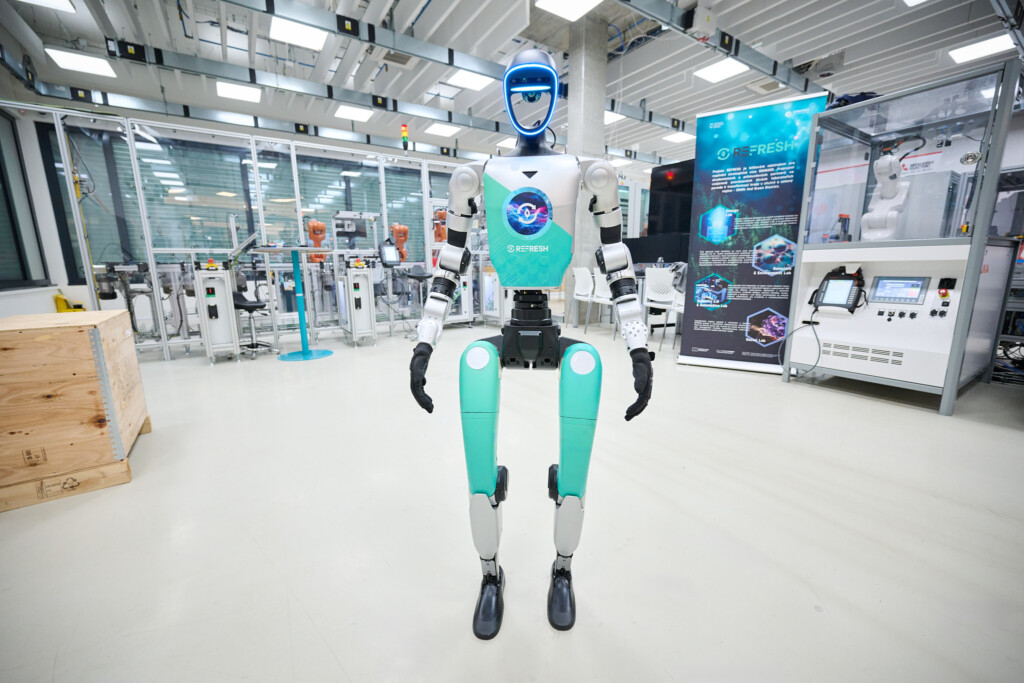
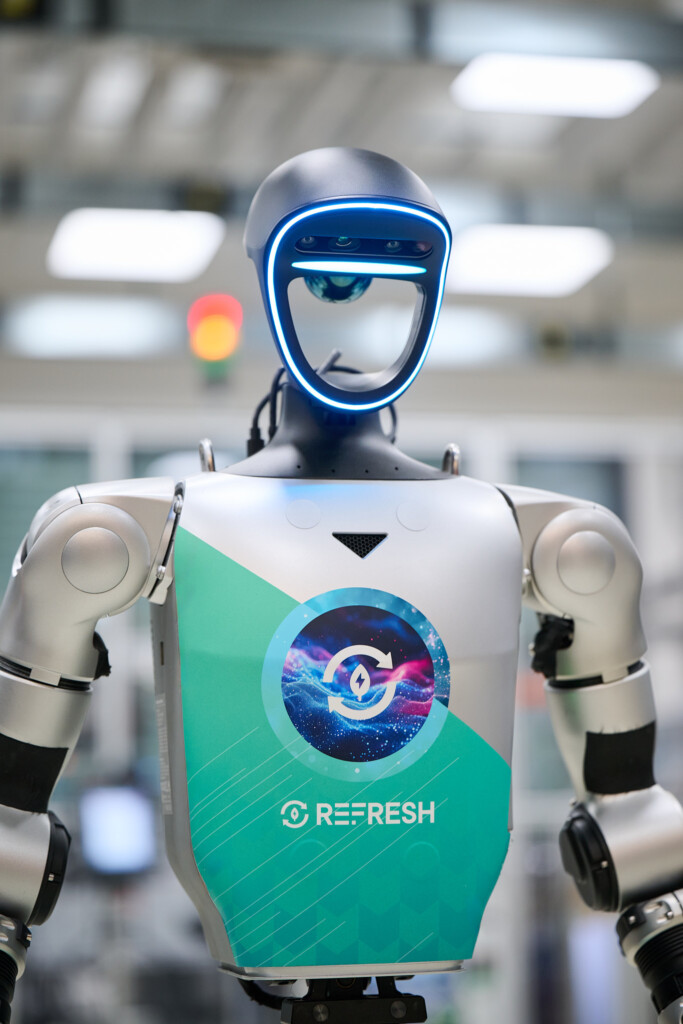
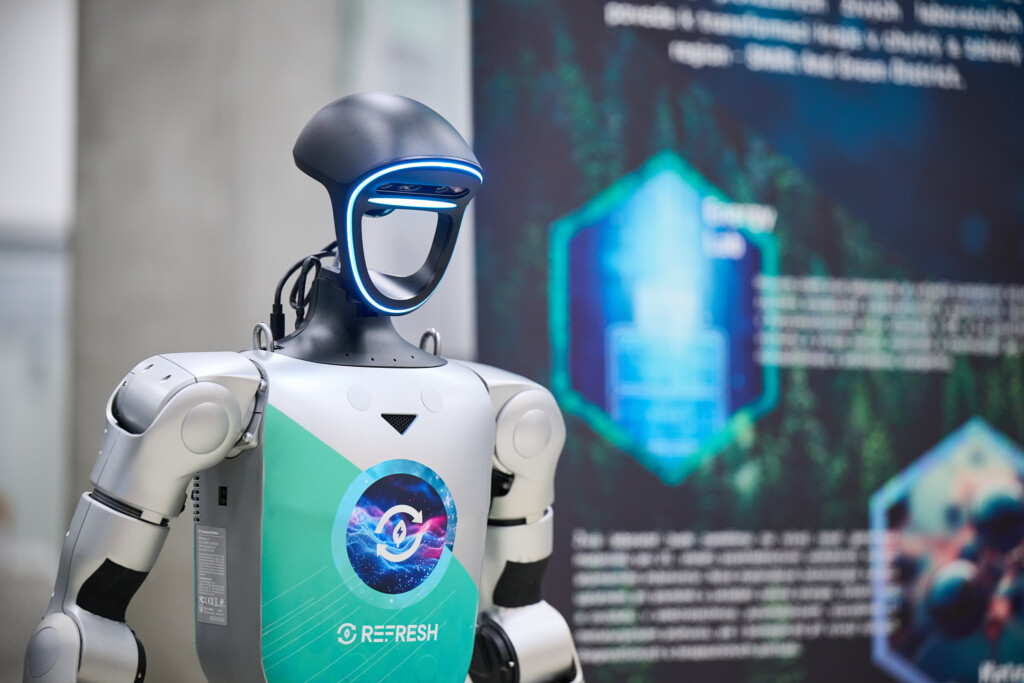
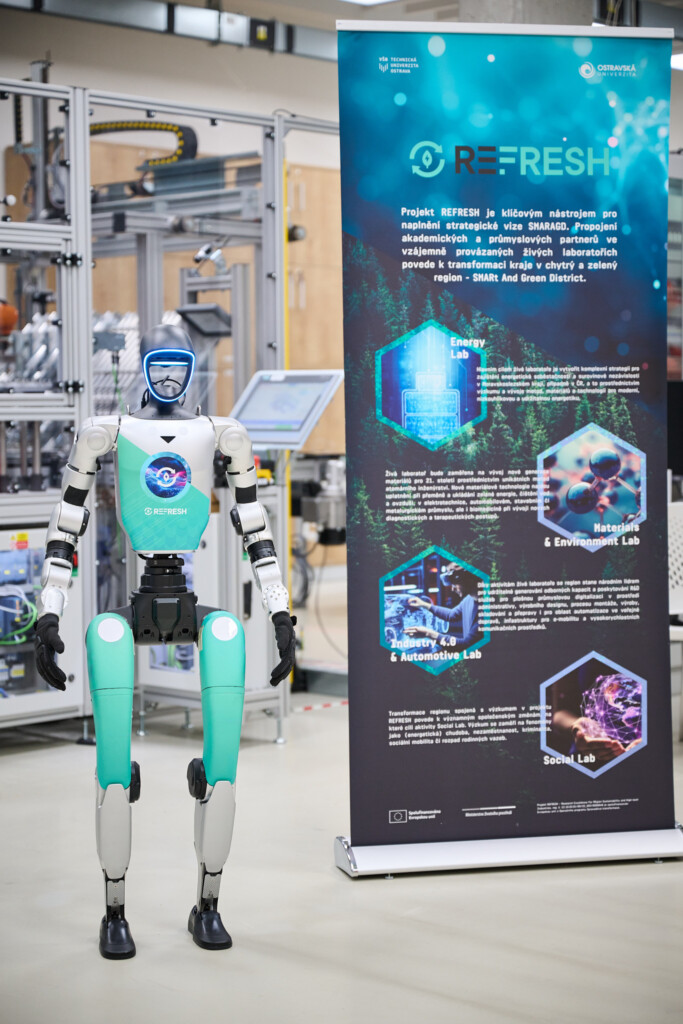
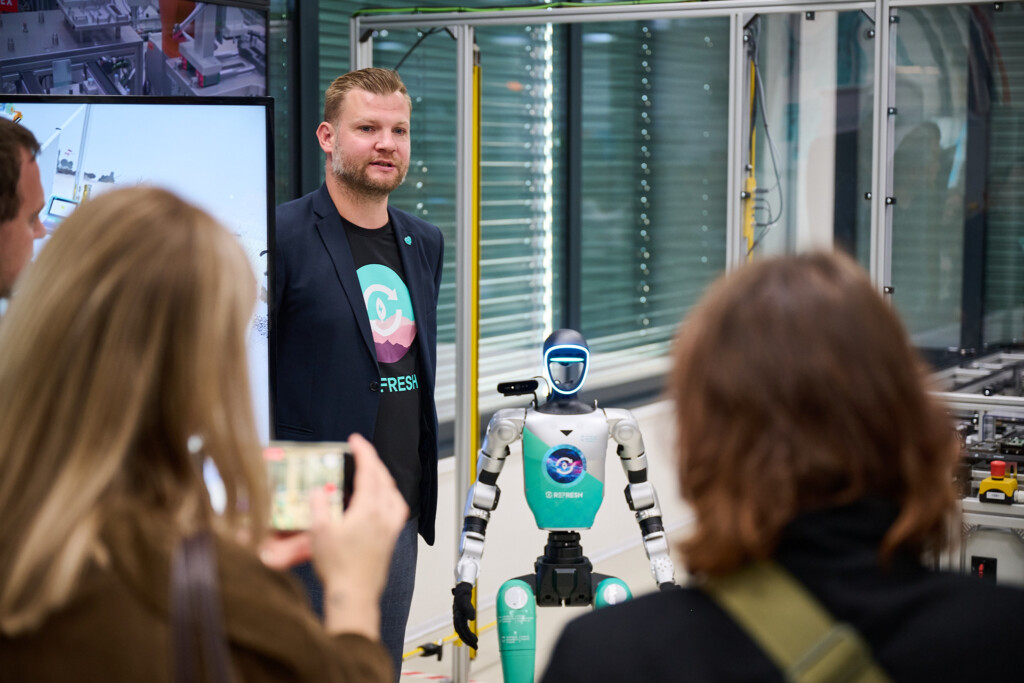
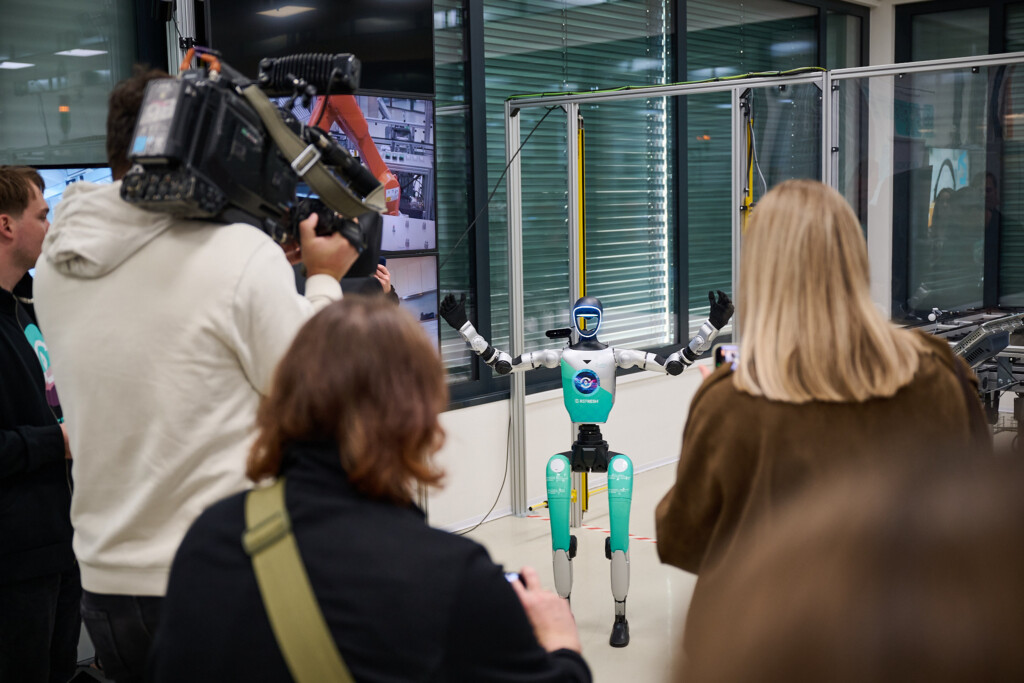
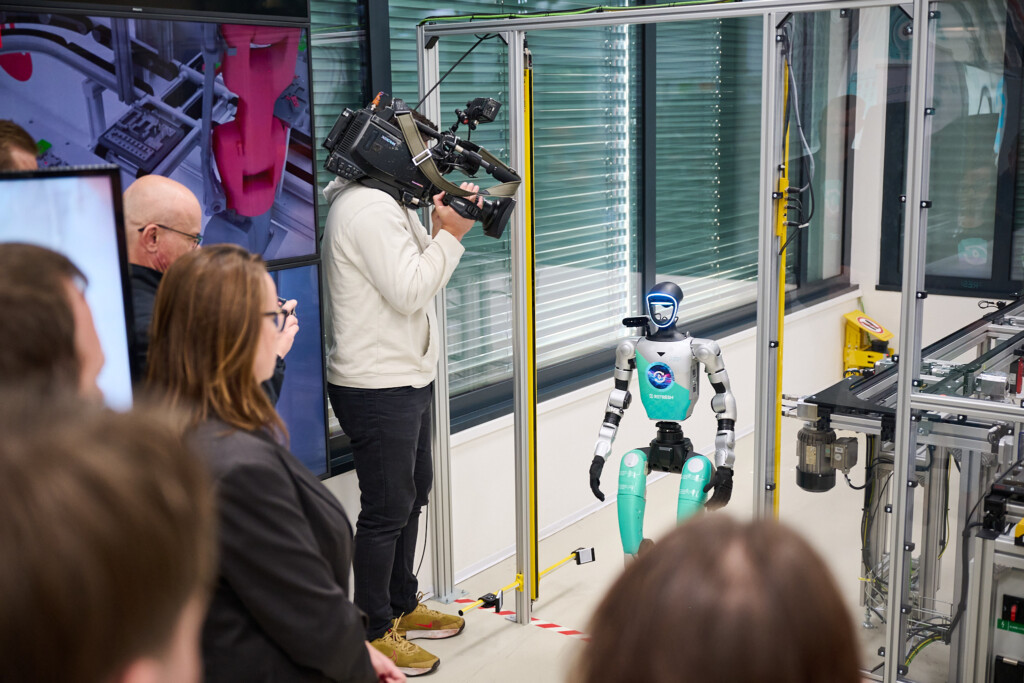
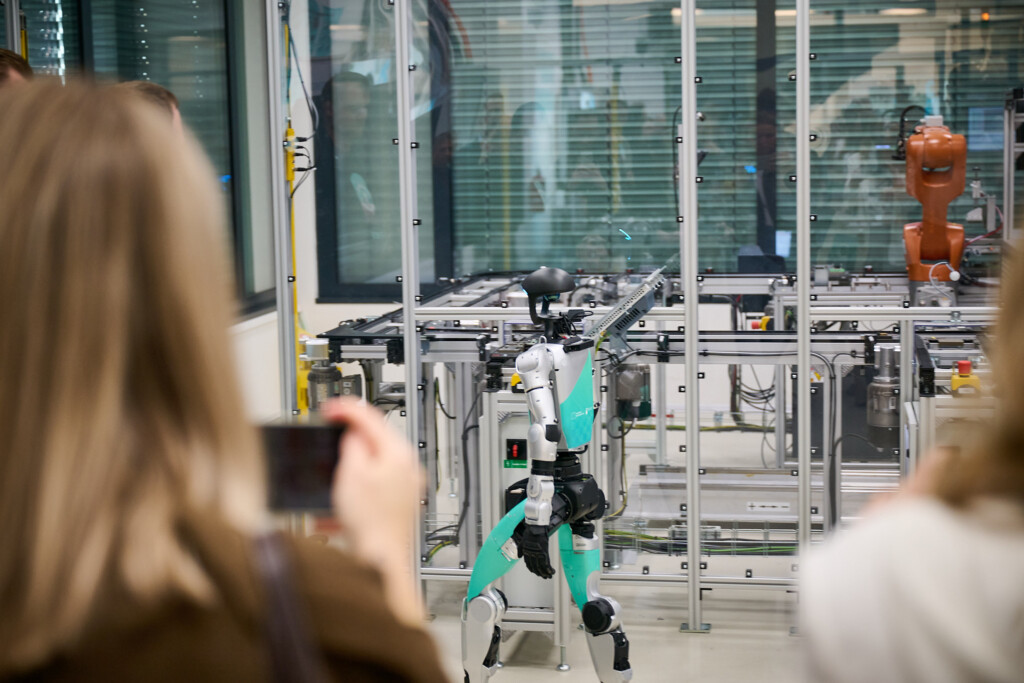
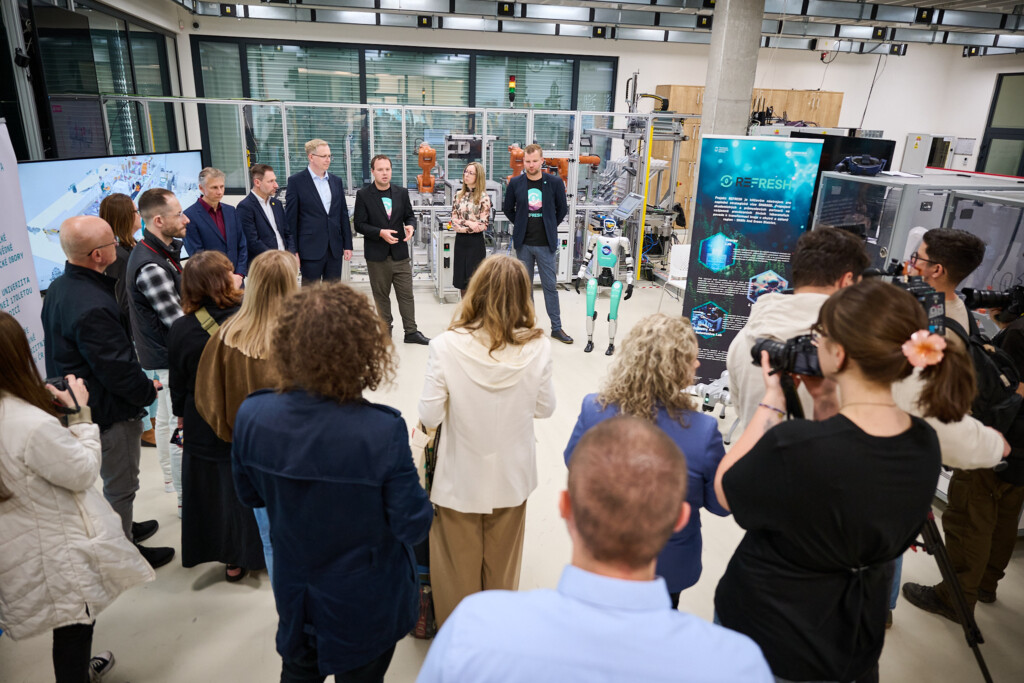
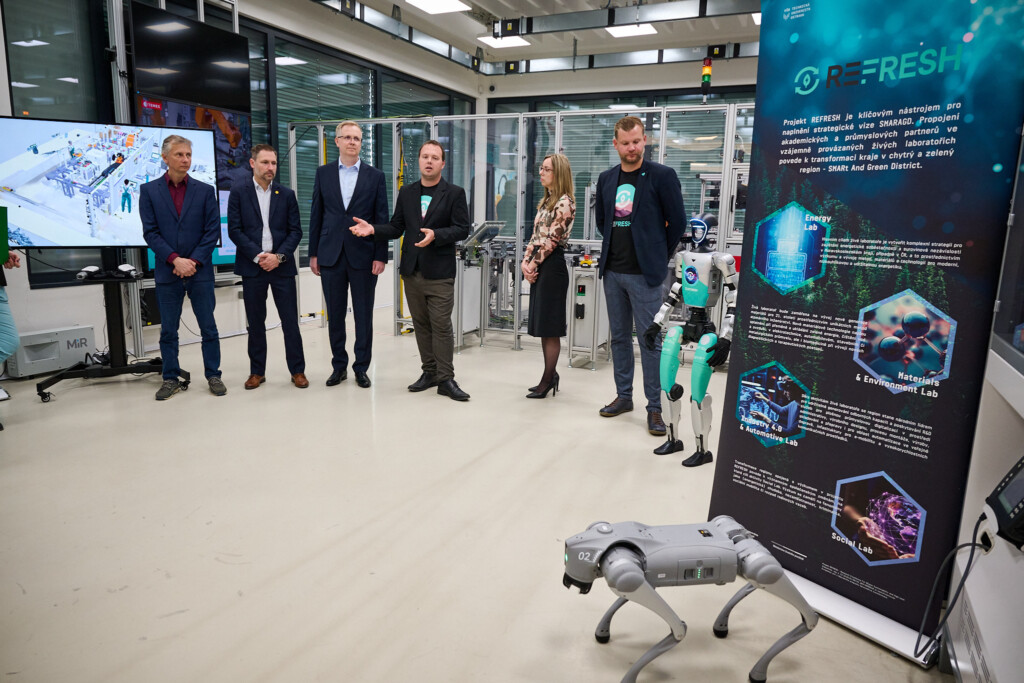
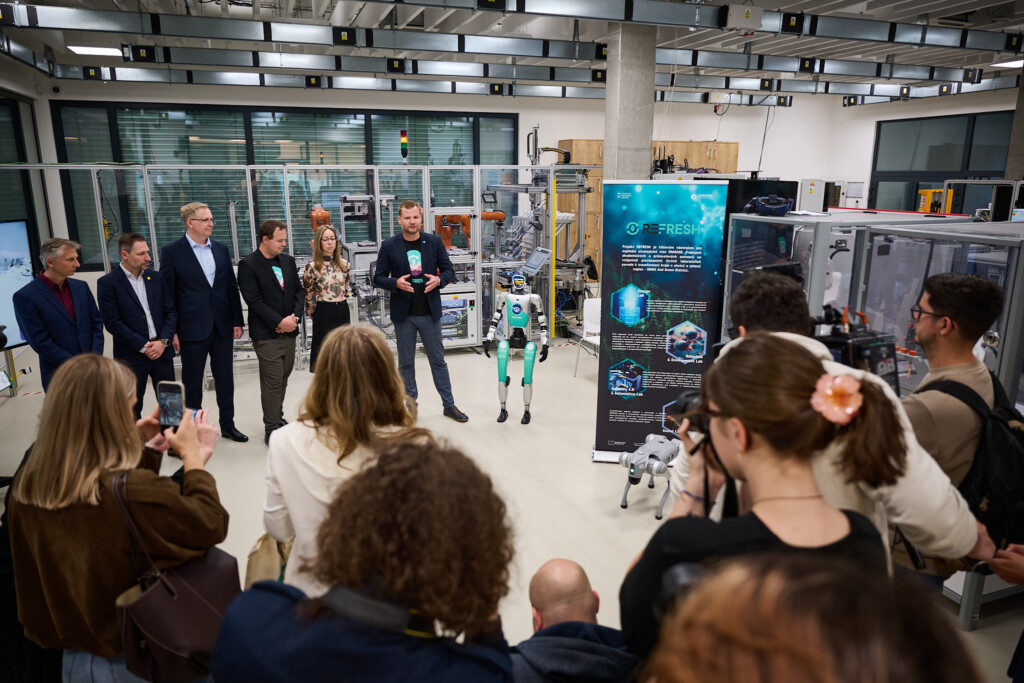
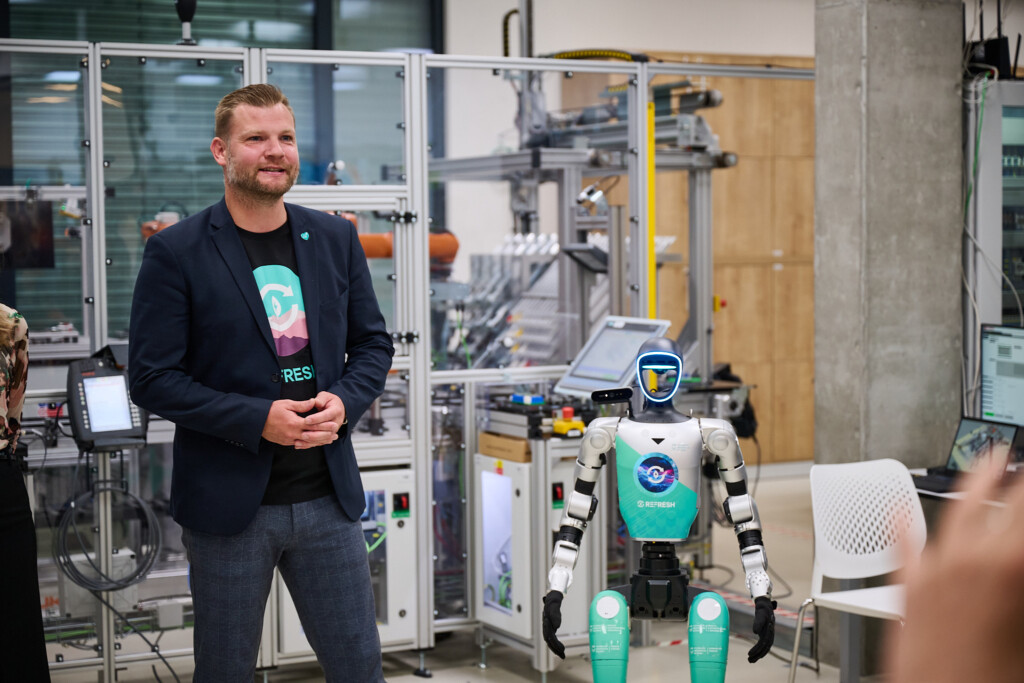
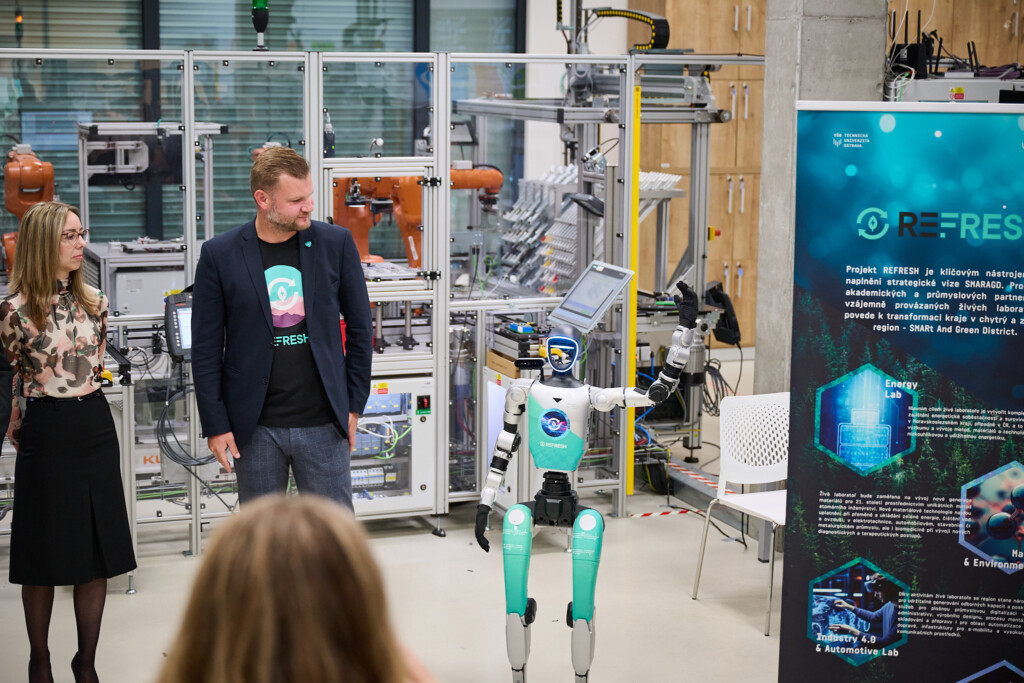
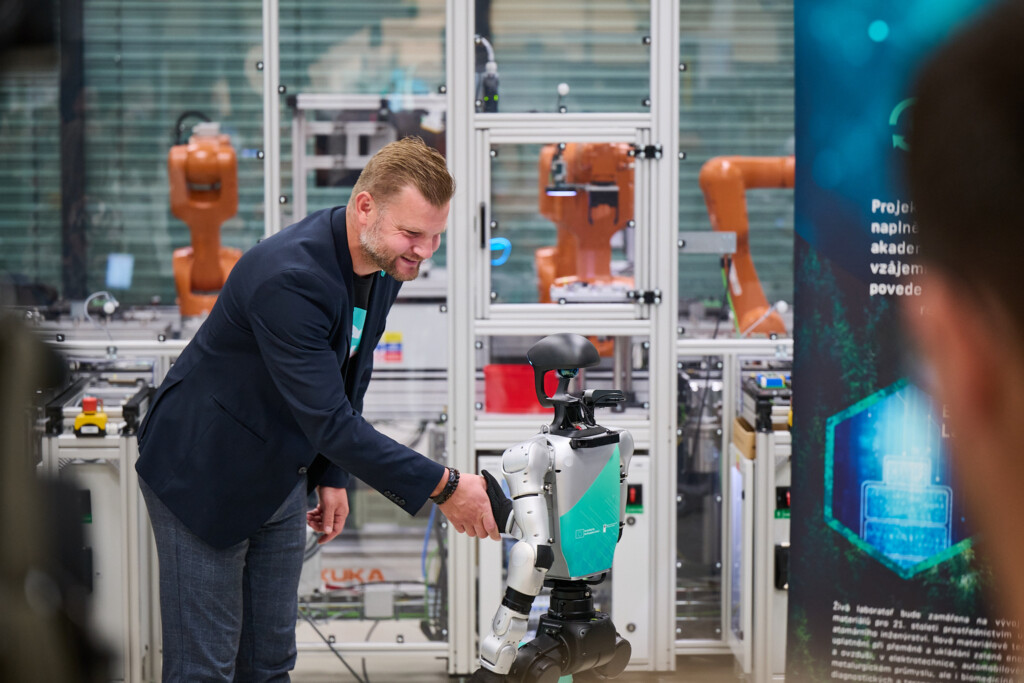
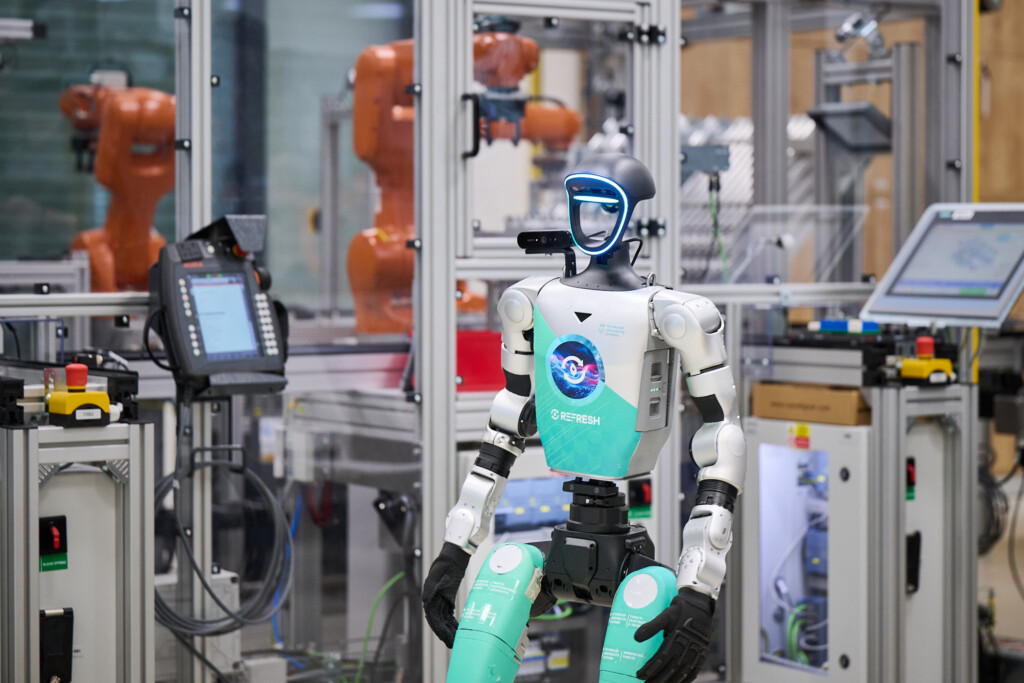
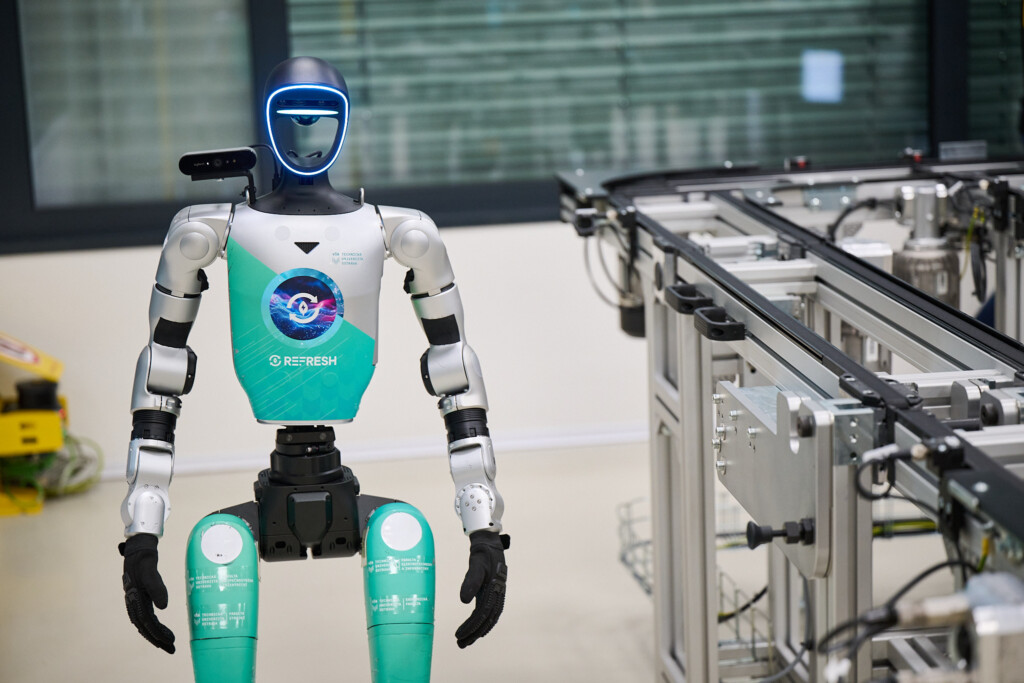
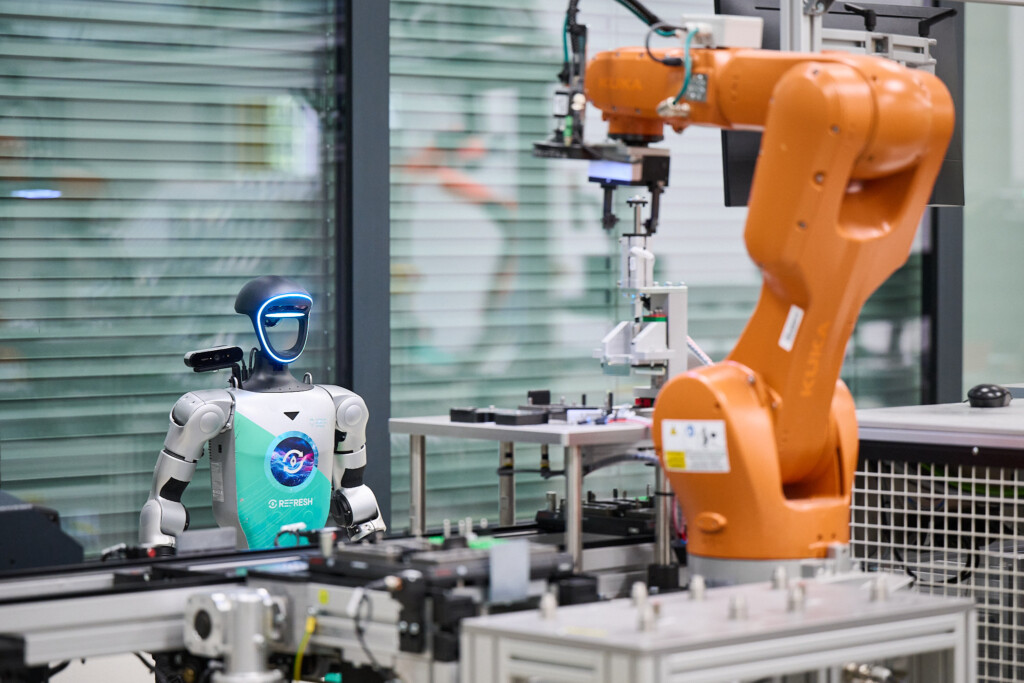
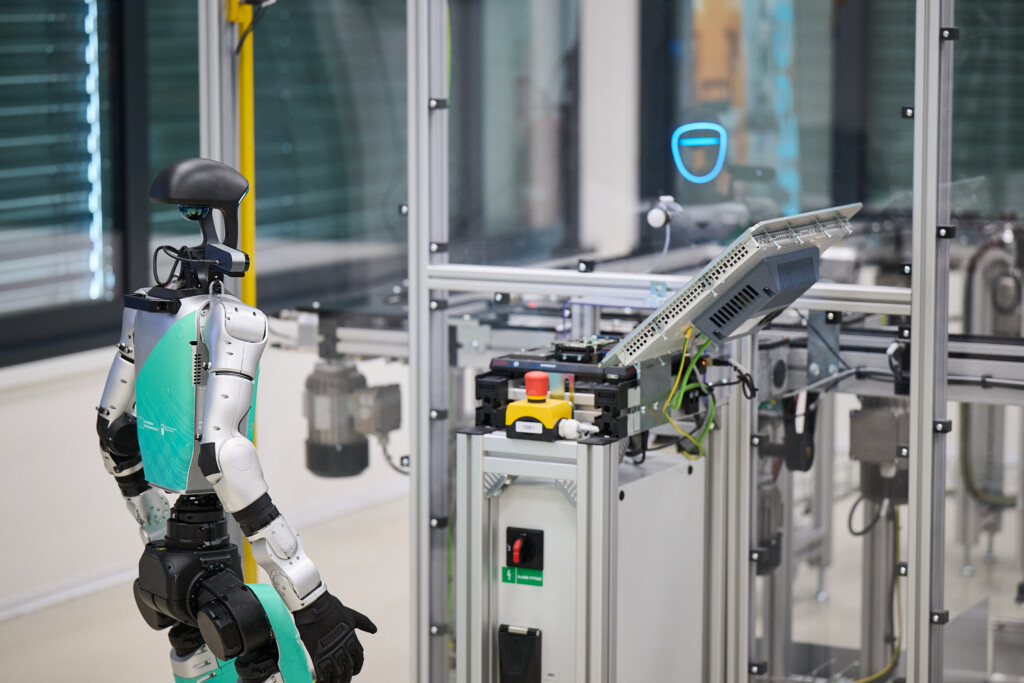
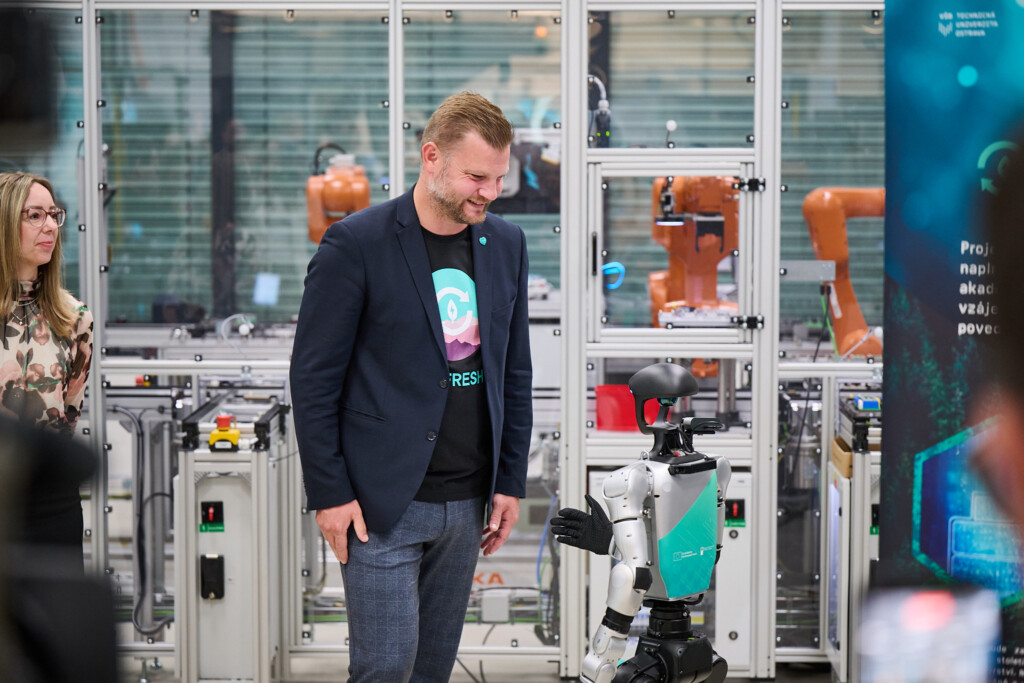
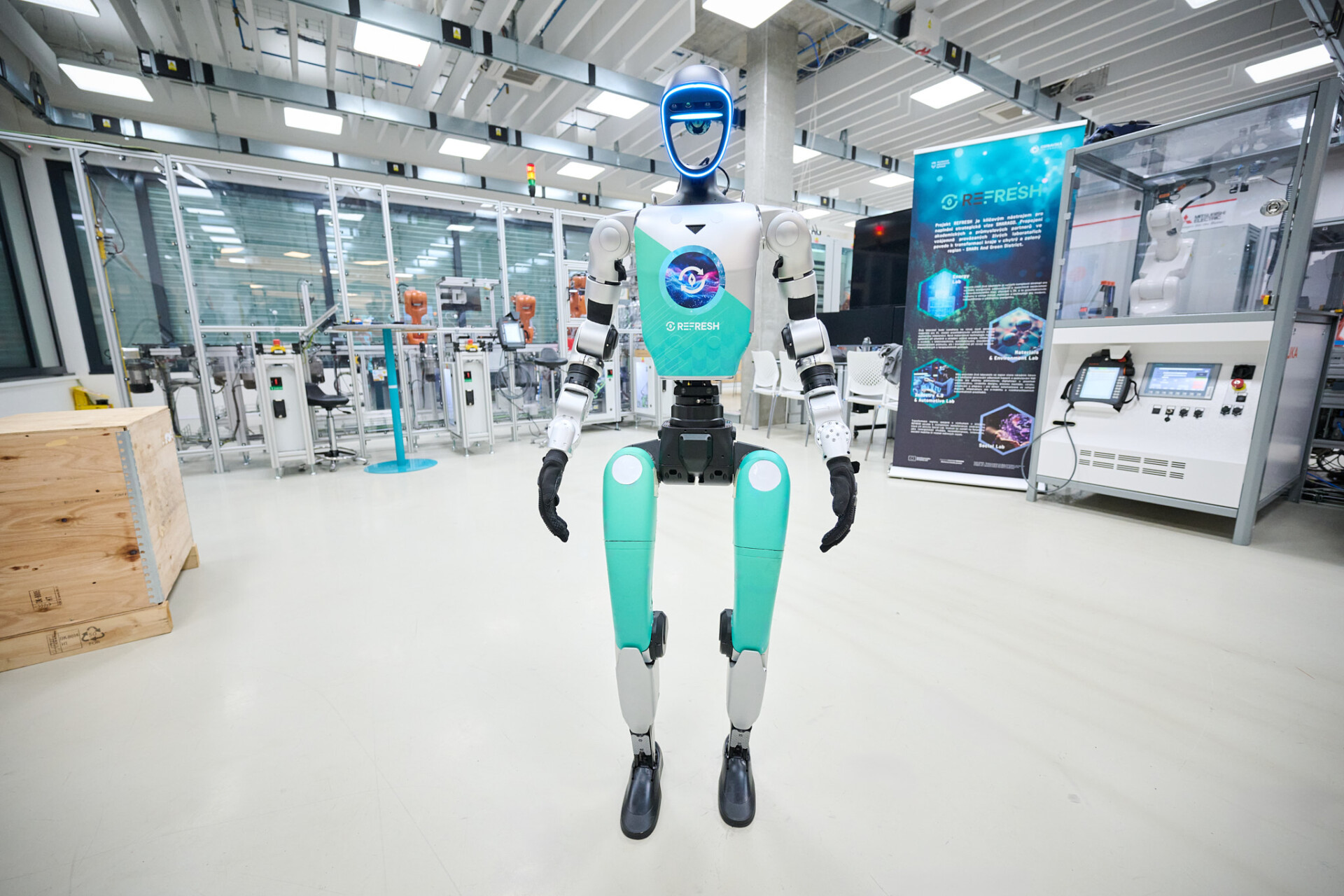
VŠB – Technical University of Ostrava has acquired its first humanoid robot. This advanced technological assistant, once associated mainly with science fiction, is expected to shape research activities at the university, contribute to the launch of a new study programme, and further strengthen interfaculty and interdisciplinary cooperation. The strategic investment, worth approximately CZK 1.5 million, was supported by the REFRESH project within the Operational Programme Just Transition, currently the largest project in the university’s history.
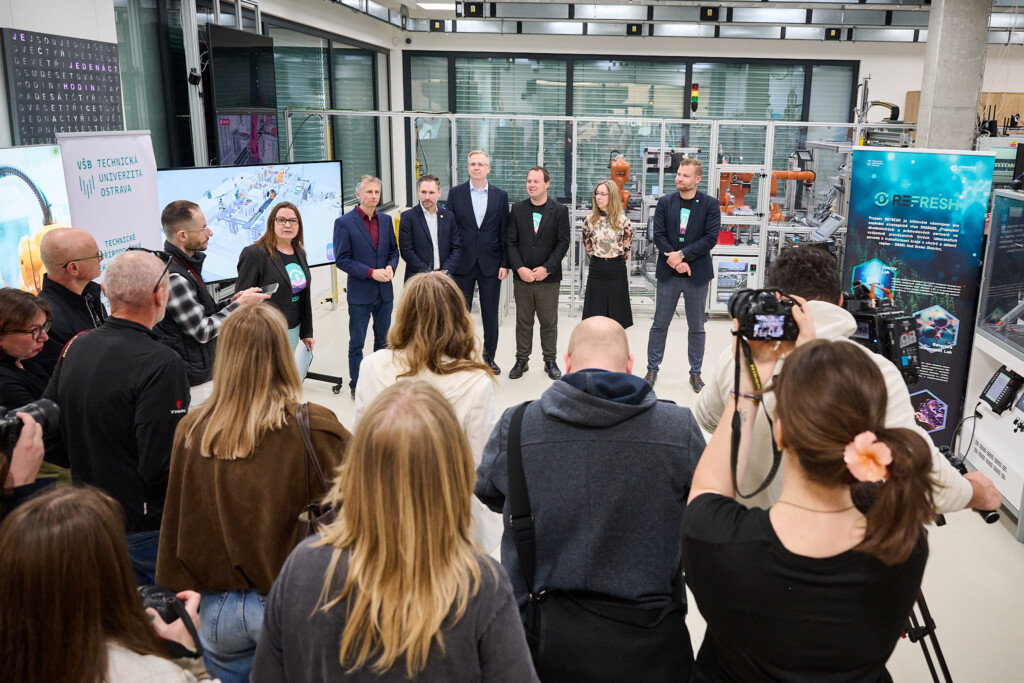
“Humanoid robotics is undergoing enormous growth, and we need to be ready for it. A technical university should naturally be among the institutions exploring not only the opportunities but also the potential risks connected with deploying humanoid robots in industry and other environments. The acquisition of our first humanoid robot aligns perfectly with REFRESH, where one of the key topics is safe human-robot collaboration, and reflects the university’s ambition to remain at the forefront of innovation while strengthening cooperation with industry partners. Following the recent opening of the Laboratory for Safe Human-Robot Collaboration, this represents another major milestone,” said VŠB-TUO Rector Igor Ivan.
Experts across disciplines will put the humanoid robot under the spotlight
Specialists from the Faculty of Safety Engineering (FSE), the Faculty of Electrical Engineering and Computer Science (FEECS), the Faculty of Mechanical Engineering, and the Faculty of Economics will join forces to explore the potential applications of humanoid robots while also addressing a wide range of safety and security challenges.
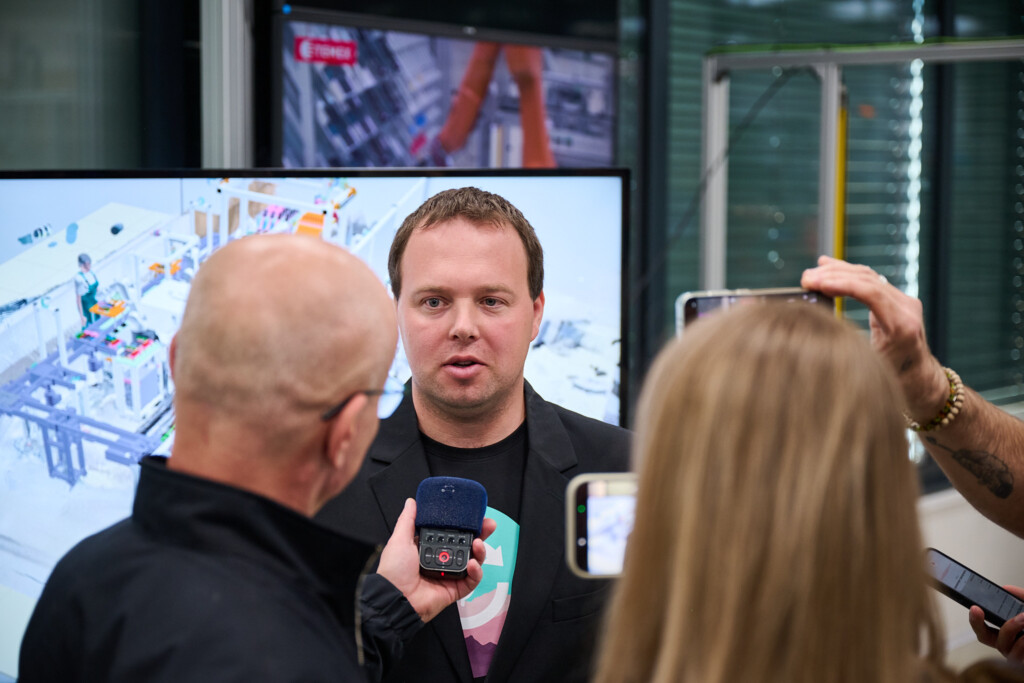
“We want to build a strong university-wide consortium in cooperation with other universities and private-sector partners. Our research will focus, for example, on safe human-robot collaboration, integration into industrial environments, and cybersecurity. At the same time, the rise of humanoid robotics brings broader issues that cannot be overlooked, including the replacement of human labor and the evolving relationship between people and robots. Cybersecurity and sustainability will also play a major role. In this context, it will be essential to strengthen the independence of the European market, especially in relation to technologies from China, which currently dominates the field of humanoid robotics and largely shapes its future direction,” said Radim Hercík from FEECS.
Researchers have already submitted several projects involving the use of humanoid robotics. These include plans for a competence center dedicated to humanoid robotics, a project focused on integrating humanoid robots into metalworking production, and several related initiatives. “Within these activities, we have also submitted an international project proposal to the Horizon Europe programme focused specifically on humanoid robotics safety. This demonstrates that the topic is not only important for us locally, but also highly relevant at the international level,” added Radim Hercík.
Faculties are developing a new study course
The interfaculty collaboration will also lead to creating a new course titled Humanoid Robotics in Industrial Practice. “We aim to provide students with an interdisciplinary view of humanoid robotics. Experts from the four participating faculties will contribute to the teaching, and students will also take part in practical sessions held in so-called living laboratories – the Smart Factory at FEECS and the Laboratory for Safe Human-Robot Collaboration at FSE,” explained Vendula Laciok.
Related topics are already being addressed in the dissertations of young researchers involved in the multidisciplinary research team established through REFRESH. Their doctoral research focuses on areas such as the safety of collaborative robotic applications, cybersecurity in industrial systems, and predictive diagnostics for robotic technologies.
Students will choose the robot’s name in a poll
Both academics and students see the humanoid robot as a valuable future assistant. While its purpose and technological background are already clear, its name has yet to be decided. “As students will also work closely with the humanoid robot, we decided to involve them in the process and organize a poll to choose its name. The winner will receive a one-hour date with the robot as a prize,” added Vendula Laciok.