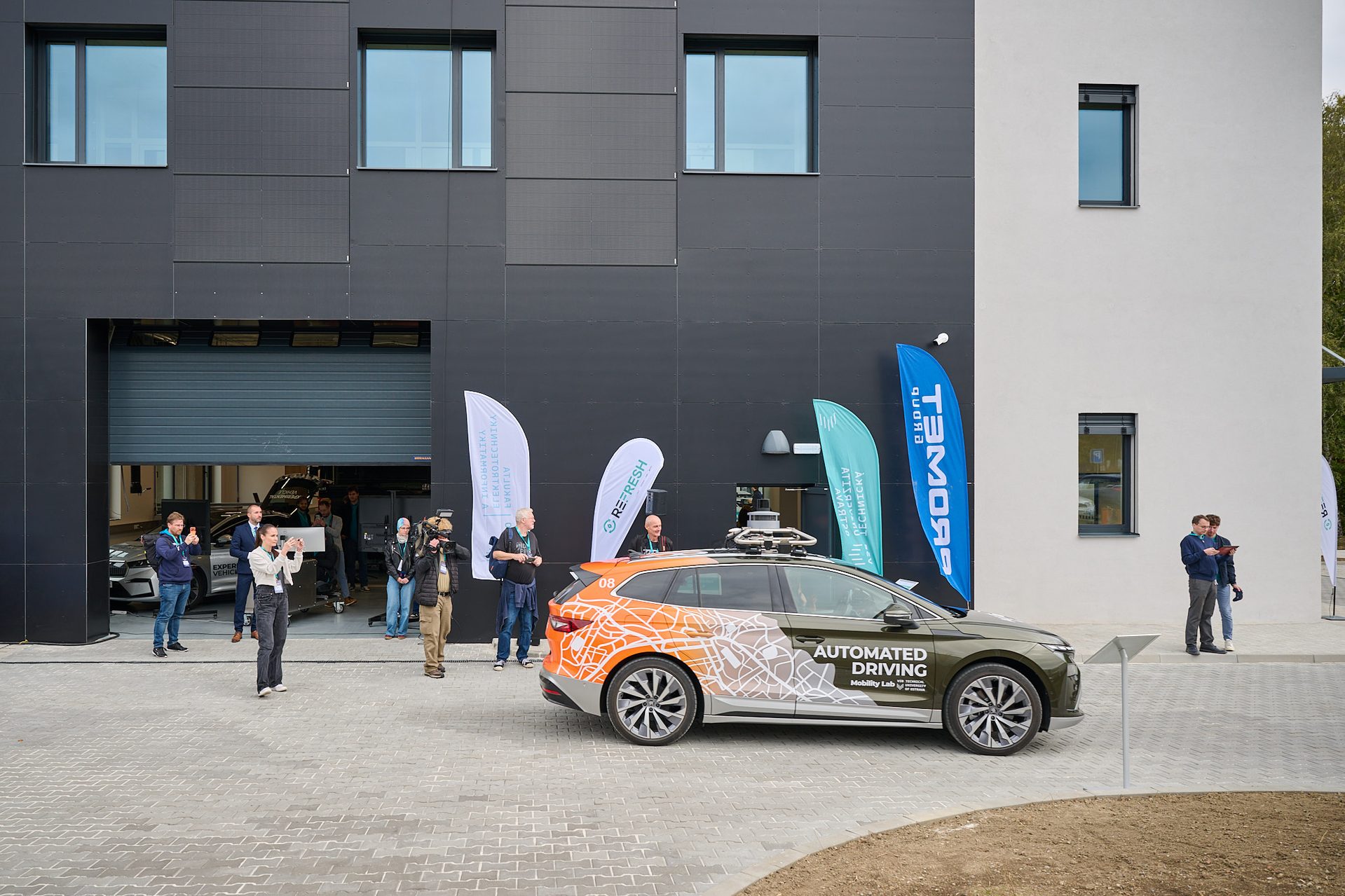
VŠB-TUO Opens New CZK 126 Million Research and Development Center Featuring a Unique Test Track
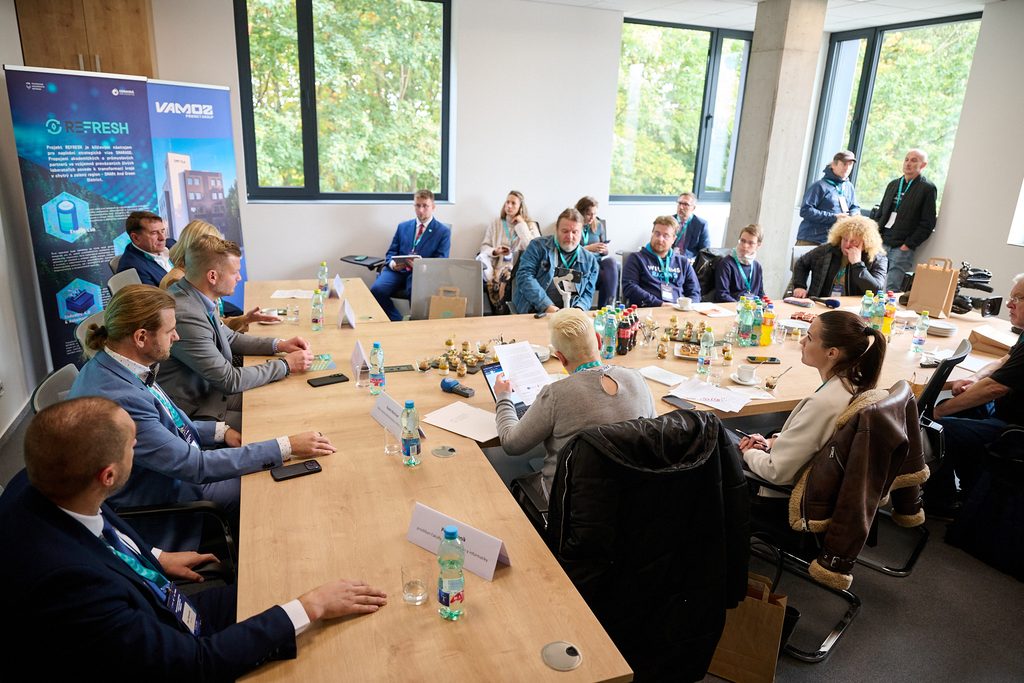
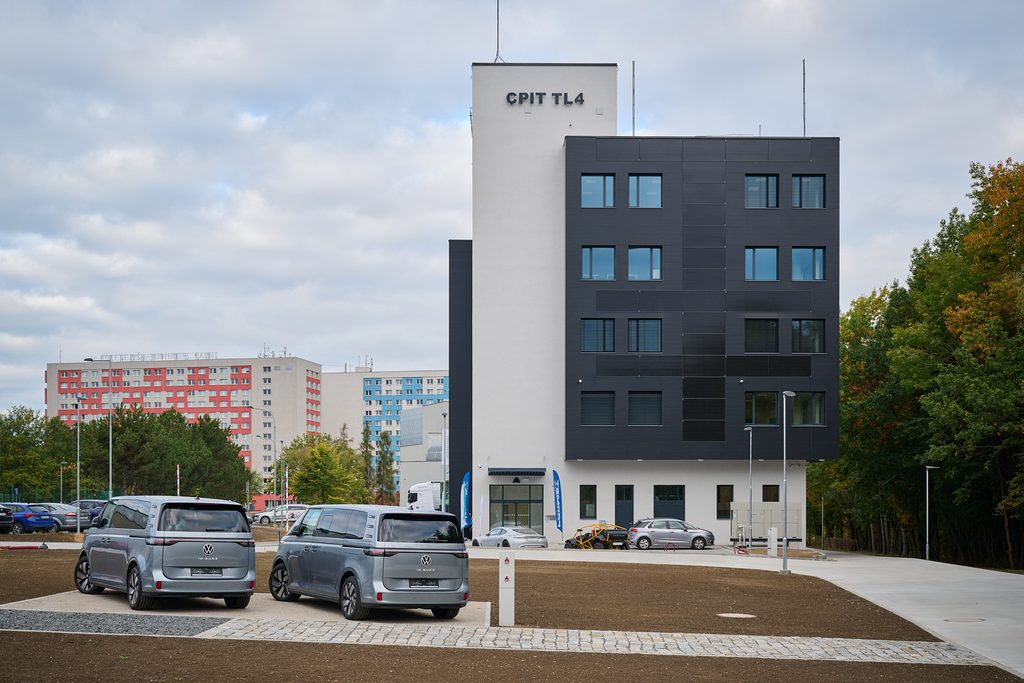
Starting today, the new building at VŠB-Technical University of Ostrava, together with the adjacent test track for smart vehicles and robotic systems, the first of its kind at a Czech university, provides state-of-the-art research facilities and, above all, excellent conditions for collaboration with industrial partners. Supported by a CZK 126 million grant from the Operational Programme Just Transition, this is the largest investment project within the REFRESH initiative, which aims to help transform the Moravian-Silesian Region into a “smart and green” region.
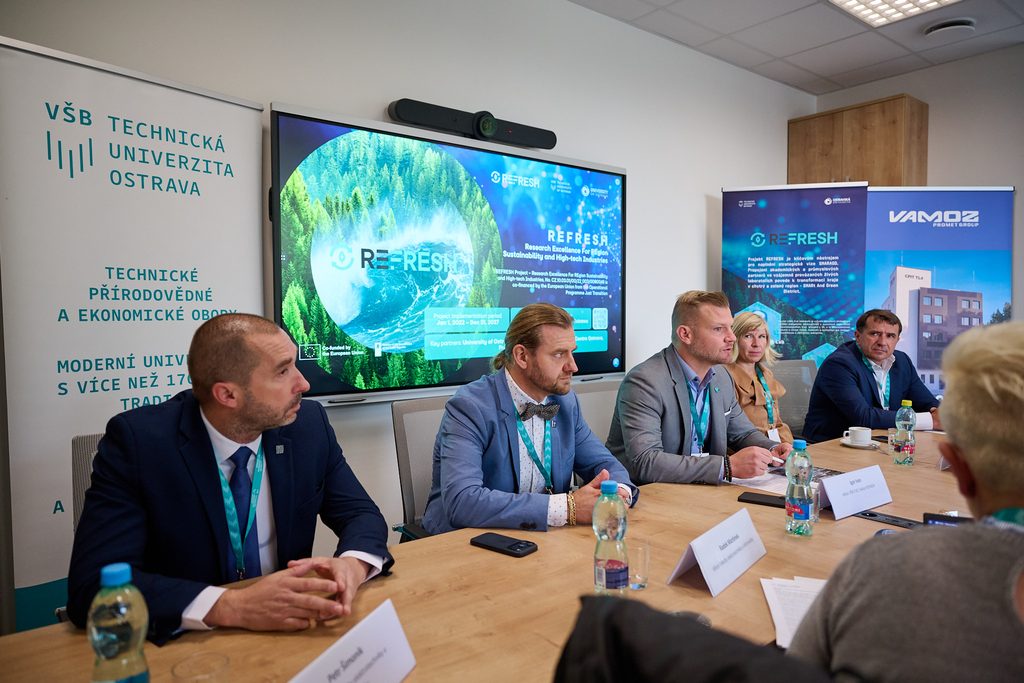
“Our goal is not theoretical research that ends up in a drawer, but applied research that can be rapidly transferred into practical applications. Fields such as automated mobility, humanoid robotics, sensor networks, and advanced AI offer industry opportunities to save billions of crowns. One of the key components of the new center is a joint research facility with the prestigious Korean institute KATECH, one of the global leaders in automotive technologies. The new facility, featuring its unique test track, provides exactly the tools we need to bring cutting-edge innovations into real-world applications and business operations,” said Igor Ivan, Rector of VŠB-TUO and Director of the REFRESH project.
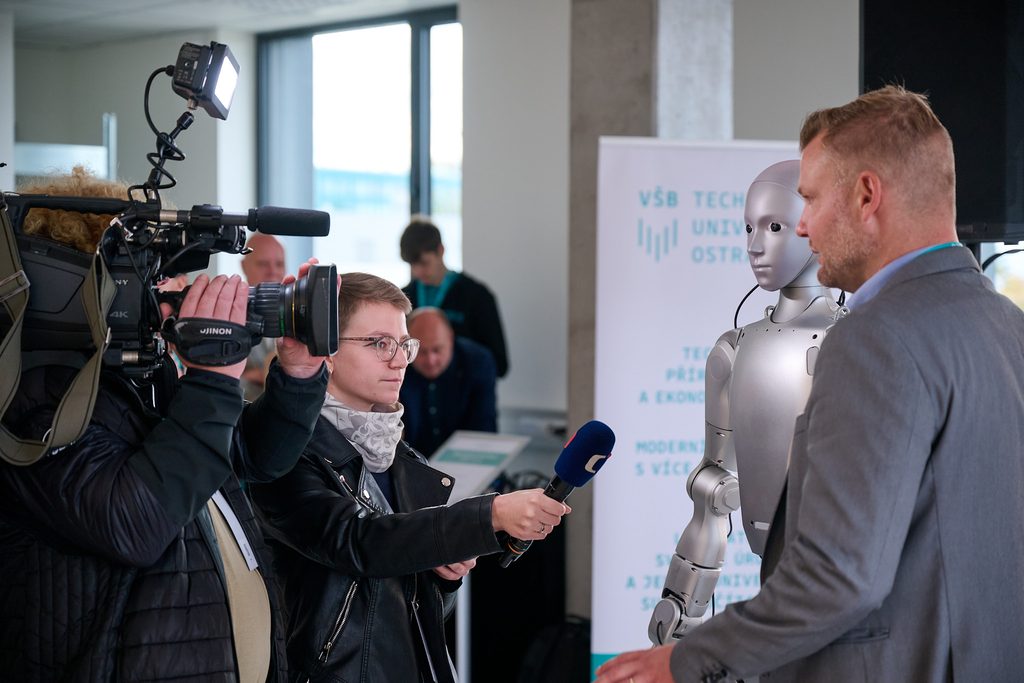
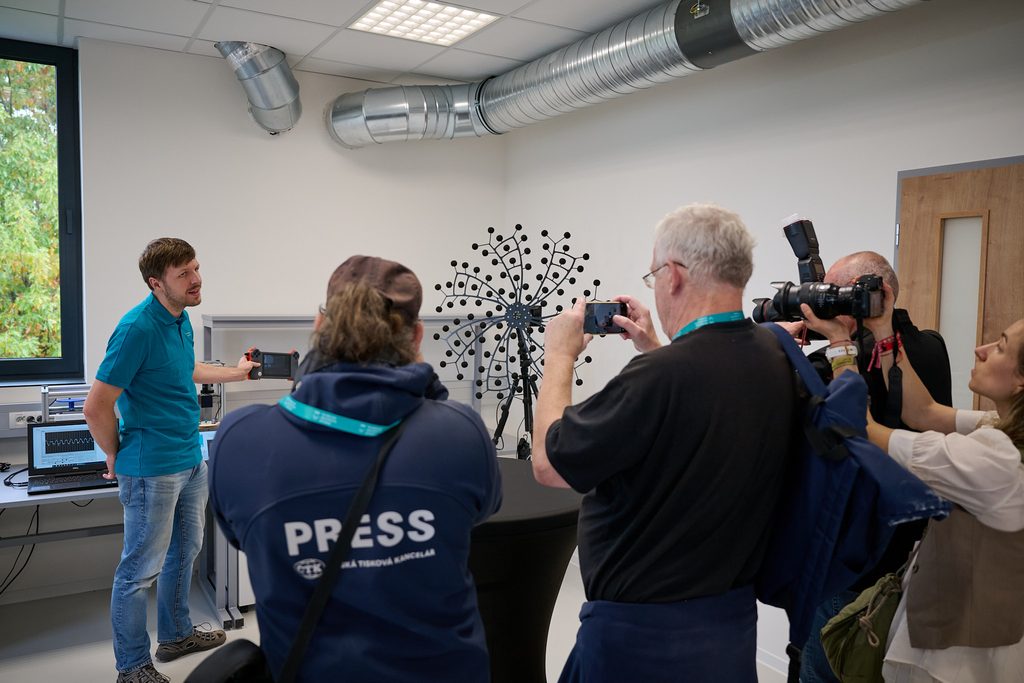
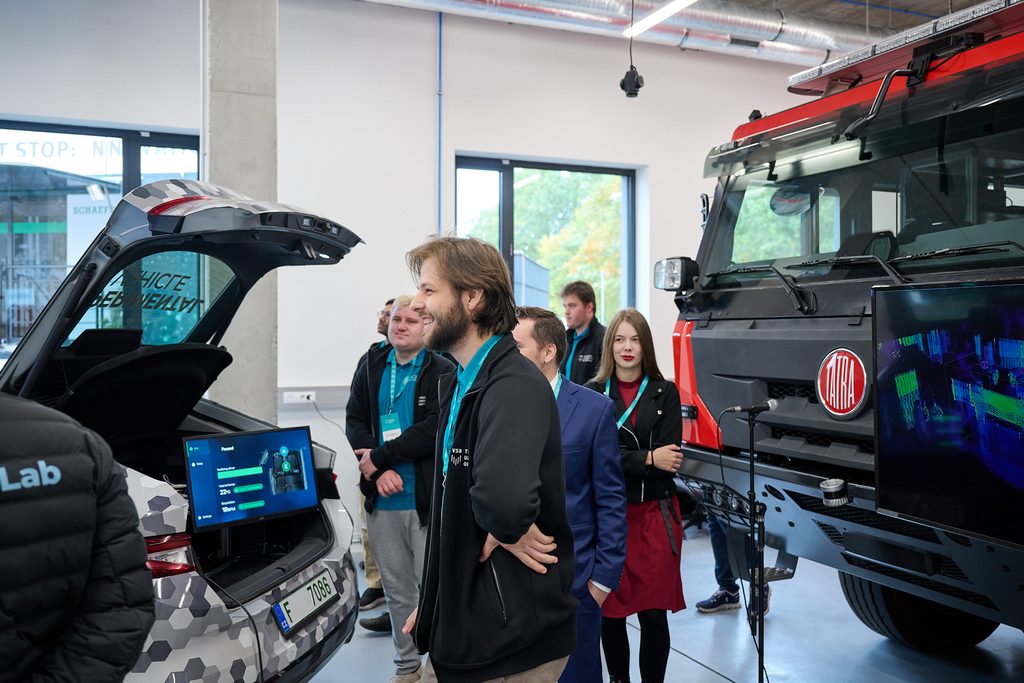
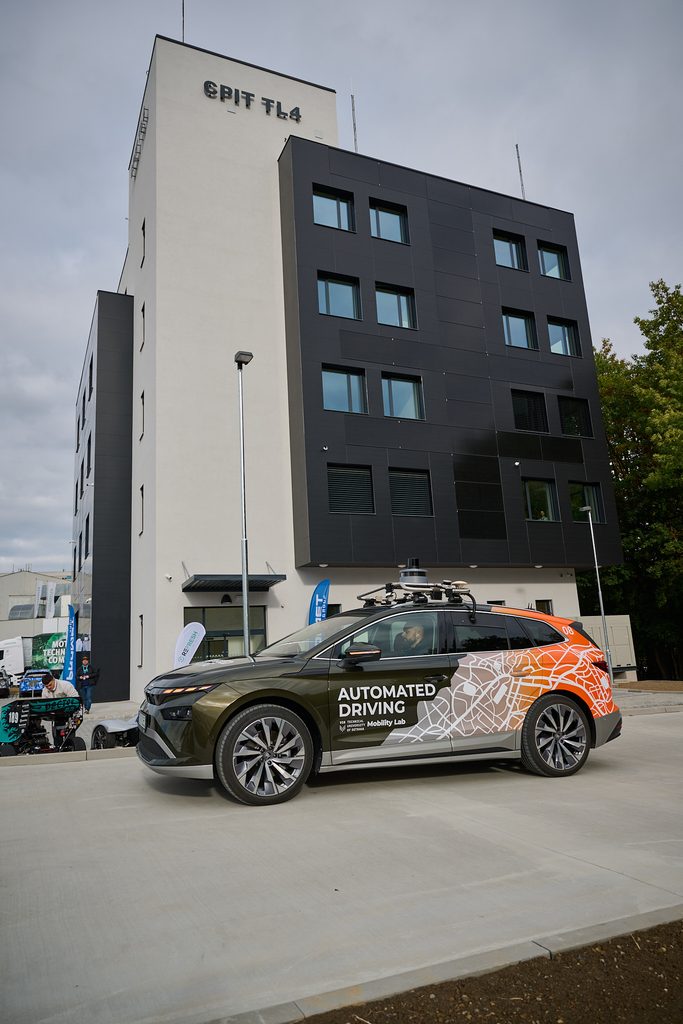
The six-story building will house research and development activities focused, among other areas, on automated vehicle control, e-mobility systems, and information and communication technologies for industry. Experts will work on applications involving AI and machine learning, digital twins, signal processing, image data processing, and other advanced technologies.
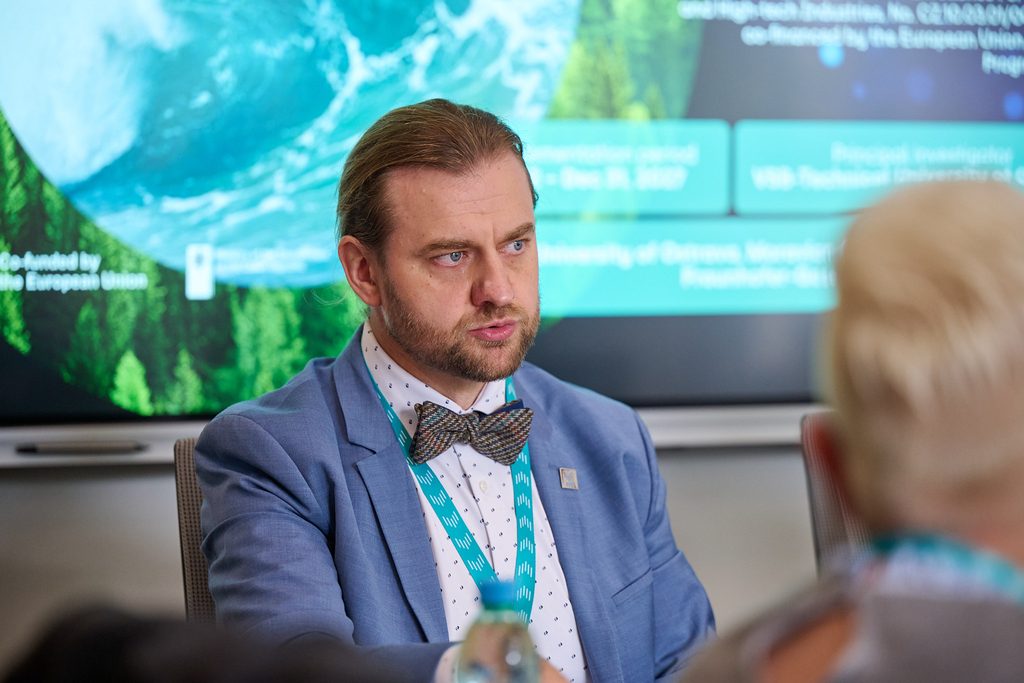
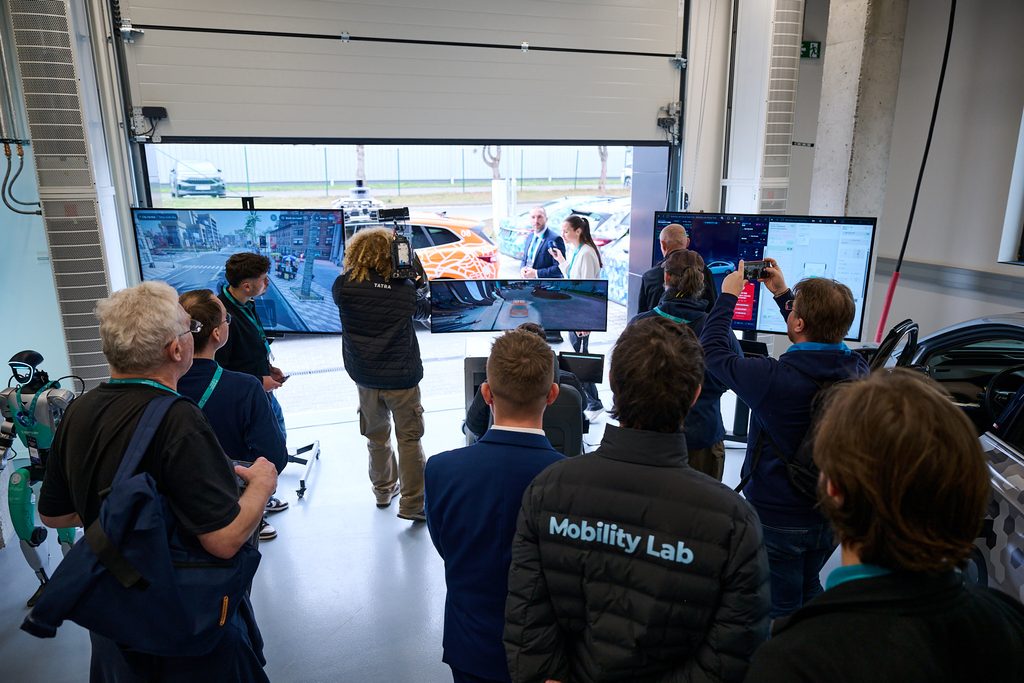
“We are creating the conditions for more efficient research across several laboratories at the Faculty of Electrical Engineering and Computer Science. The new facilities will also enable us to pursue new research directions, including automated control systems for trucks and public transport vehicles, advances in e-mobility, laboratories for working with humanoid robots, and advanced signal analysis, for example, for dual-use technologies. The teams will benefit from spaces that connect offices directly with laboratories, saving both time and money. This will be a research and development center dedicated to collaboration with companies. Thanks to REFRESH, we have established a track record of excellence, and now we need to build on it and preserve it,” explained Petr Šimoník, Vice-Dean of the Faculty of Electrical Engineering and Computer Science and Scientific Director of the Industry 4.0 & Automotive Lab within REFRESH.
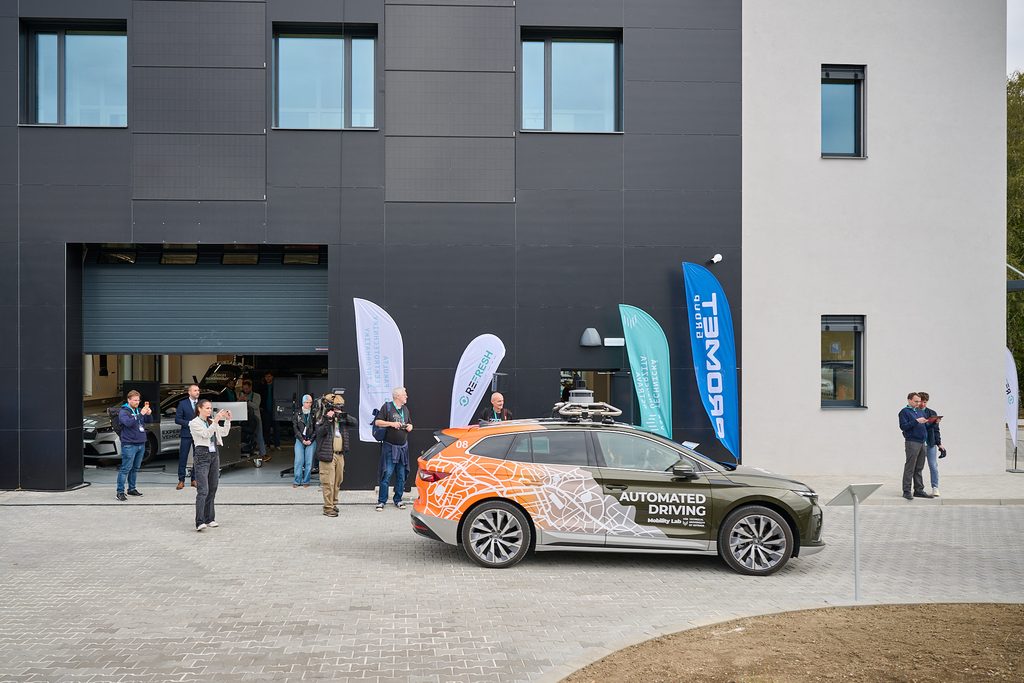
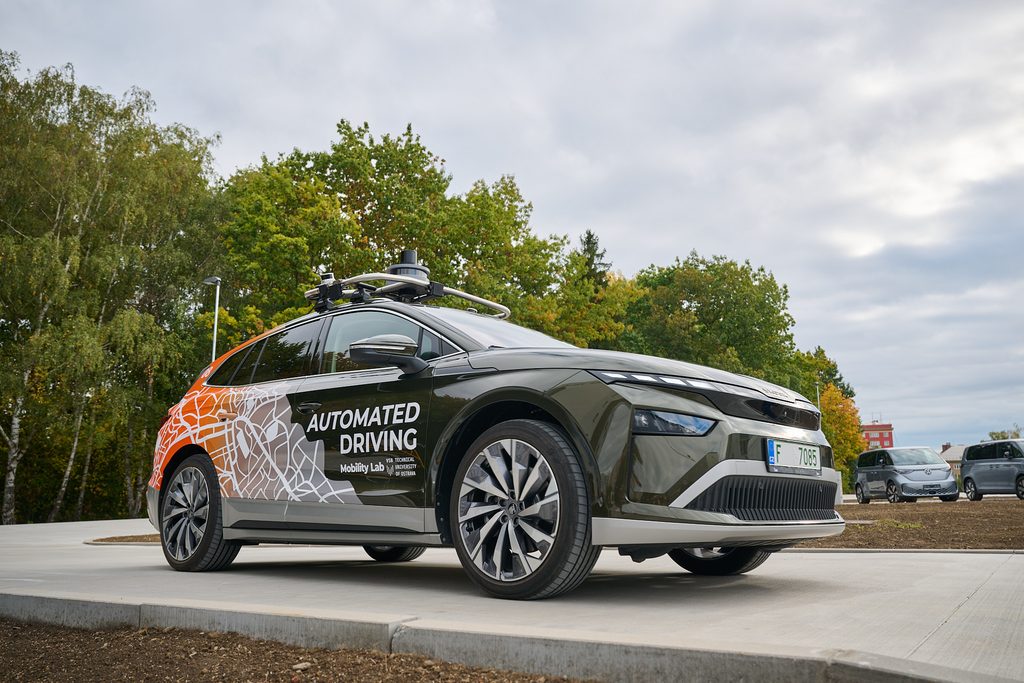
Another major benefit is the new 380-meter experimental test track, designed with varying curve radii to accommodate future testing of autonomous vehicles. The track features cement-concrete pavement of the type commonly used at airports, with a specially brushed surface.
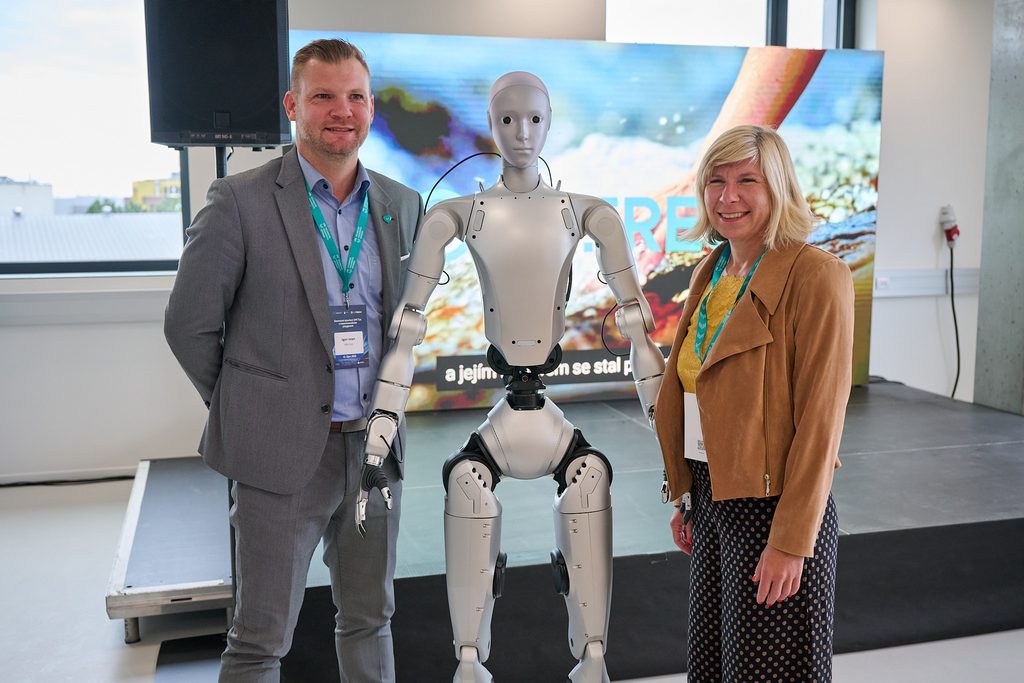
“This is a controlled environment for mobile systems, ranging from cars to humanoid robots. Similar test tracks can be found, for example, on some university campuses abroad, but we are the first university in the Czech Republic to have one. We will also have access to a state-of-the-art high-speed 5G network and other high-speed communication networks, which are essential for applications such as smart mobility management,” added Šimoník.
“The REFRESH project clearly demonstrates the purpose of the Just Transition programme. We are not simply funding new buildings; we are creating places where ideas emerge and companies can immediately put them to the test. No other Czech university currently has a test track for autonomous vehicles and robots. Researchers and their industrial partners will no longer need to travel to other testing facilities, as they will be able to test new technologies directly on campus. Students will also participate in research and gain practical experience that will help them find employment in the region,” said Radana L. Kratochvílová, Director of the OPJT at the Ministry of the Environment.
Petr Valdman, Director of the State Environmental Fund of the Czech Republic, also highlighted the project’s emphasis on cooperation with industry. “REFRESH is one of the projects that demonstrate what a just transition truly means. Thanks to this project, research infrastructure of European significance is being developed, focusing on new energy, digitalization and automation, new materials, and environmental technologies. It is essential to connect cutting-edge research with the needs of businesses and the region so that new technologies do not remain confined to research centers but find tangible applications in practice. Investments of this kind can strengthen the long-term competitiveness of the Moravian-Silesian Region and create new jobs with high added value,” said Valdman.
The Moravian-Silesian Region has CZK 18.9 billion available through the Just Transition programme. “These are European Union funds intended to help coal-mining regions transform as mining comes to an end. We want the money to support projects that will continue to benefit the region long after the programme has ended. Automated vehicle control, e-mobility, and artificial intelligence are fields that will continue to grow. Thanks to the REFRESH project, Ostrava will be part of this development, and young professionals will not have to leave the region to find interesting job opportunities,” concluded Jan Kříž, Director General of the Environmental Economics Section at the Ministry of the Environment.
The project’s general contractor was VAMOZ CONSTRUCTION, part of the Promet Group. “This project was an exceptional contract for us, both because of the client and the purpose it serves. We are a company based in this region, and we see the VŠB-TUO campus as a center for prestigious projects. We are delighted to have contributed to a building that will serve the next generation of engineers and researchers, including those working on autonomous vehicle development, which represents the future of road transport,” said Dalibor Maťa, Chairman of the Board of Directors at VAMOZ CONSTRUCTION.
Further Information about the Cooperative Center for Advanced Technologies and Future Mobility – Technology Laboratories 4 (CPIT TL4)
- Construction started: January 2025
- Total construction cost for the building and test track: approximately CZK 110 million
- Total grant amount, including equipment: CZK 126 million
- Capacity: approximately 50 researchers
The facility incorporates several notable technical and environmental solutions. These include 92 photovoltaic panels with a combined output of nearly 54 kWp, 40 of which are installed on the roof and 52 on the building’s facade. Rainwater from the roof, parking lot, and part of the test track is collected in a storage tank and gradually released into the ground, helping retain as much water as possible in the surrounding area. A high-performance heat pump provides the primary source of heating and cooling for the entire building.
The REFRESH project (Research Excellence for Region Sustainability and High-Tech Industries) forms part of the broader support provided by the European Union to the Moravian-Silesian Region through the Operational Programme Just Transition. A total of CZK 18.9 billion has been allocated through the programme to transform this former coal-mining region. The funding supports research and innovation, business modernization, and improvements to the region’s living conditions. Other major scientific projects supported by the programme include CEET H2 and LERCO at the University of Ostrava.