The meeting highlighted the tangible benefits of transformation projects, including REFRESH
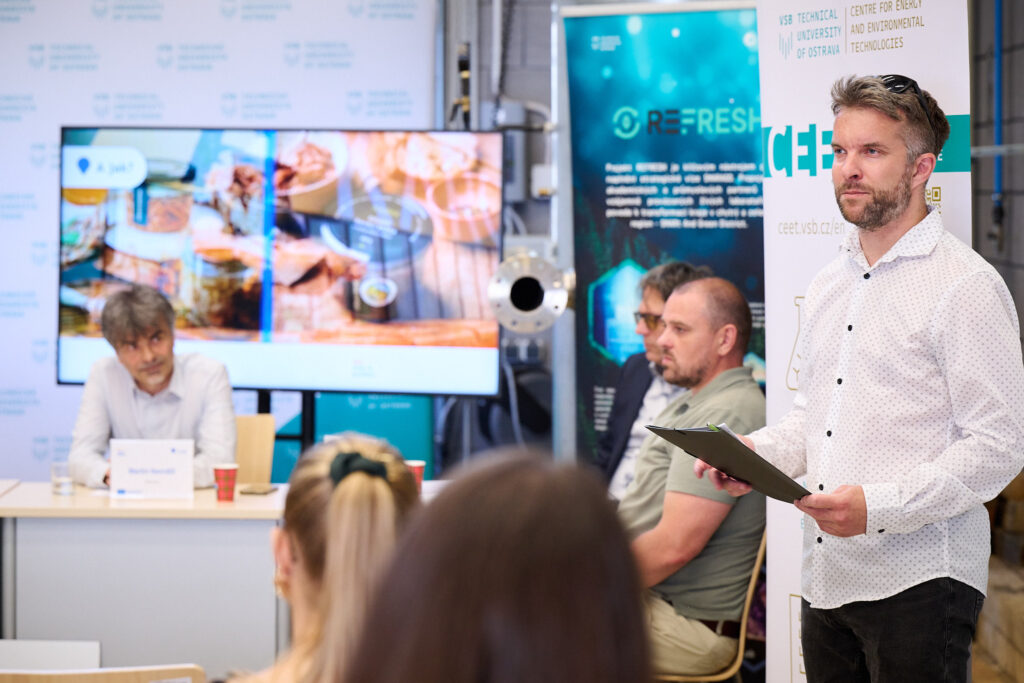
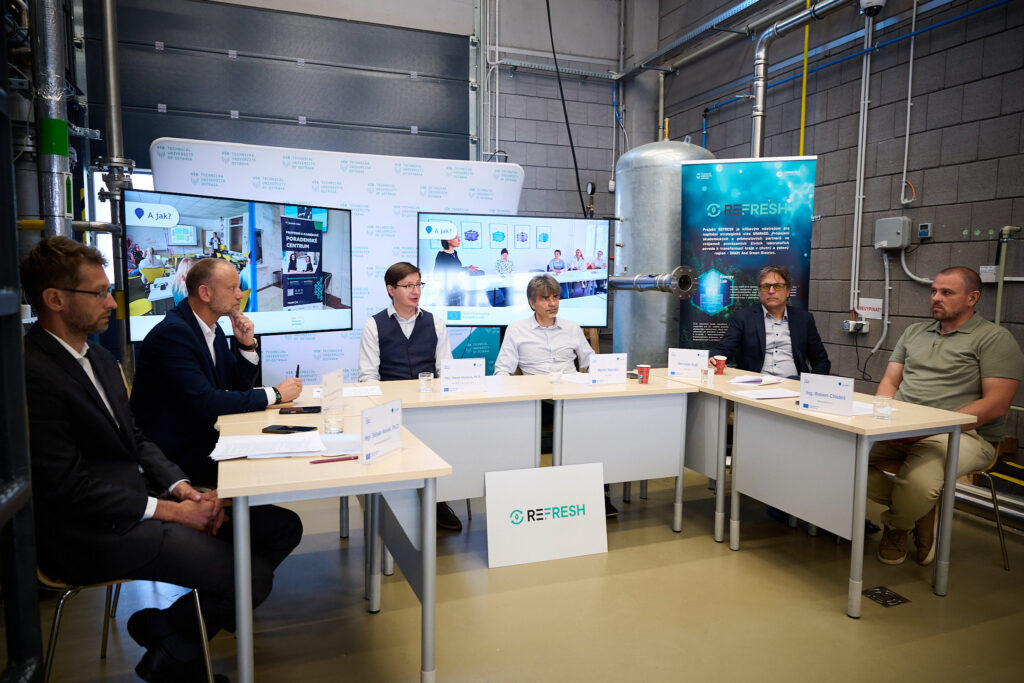
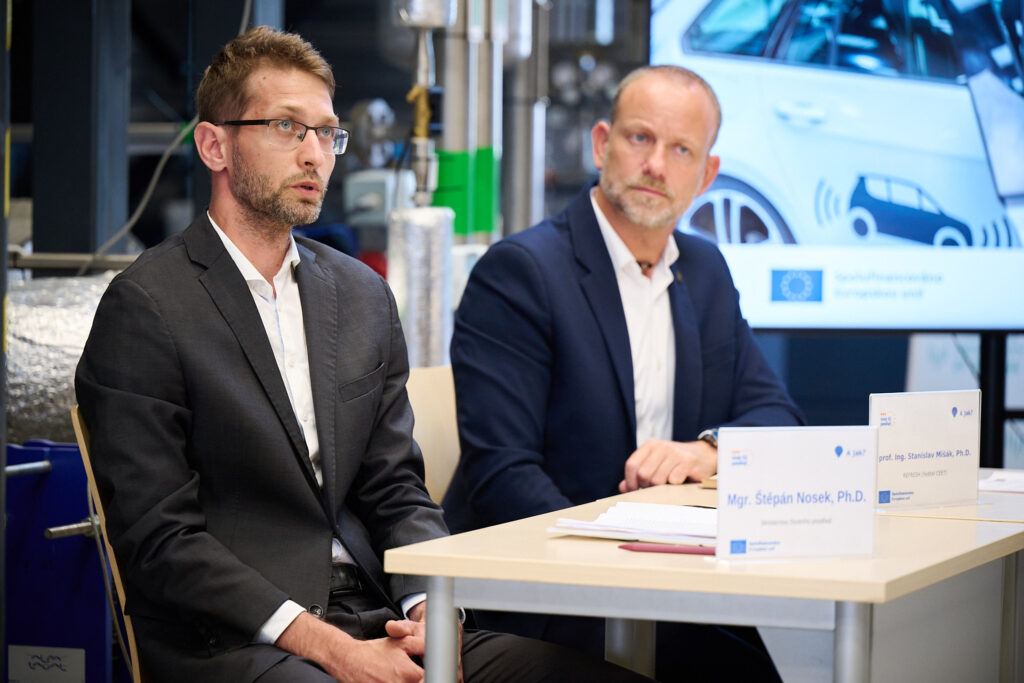
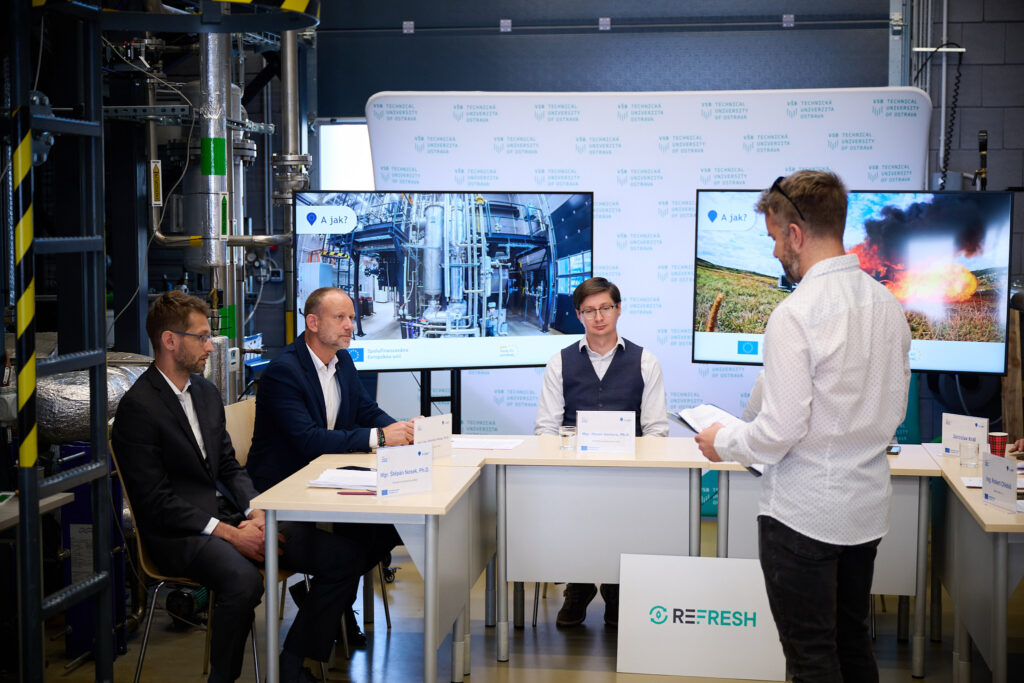
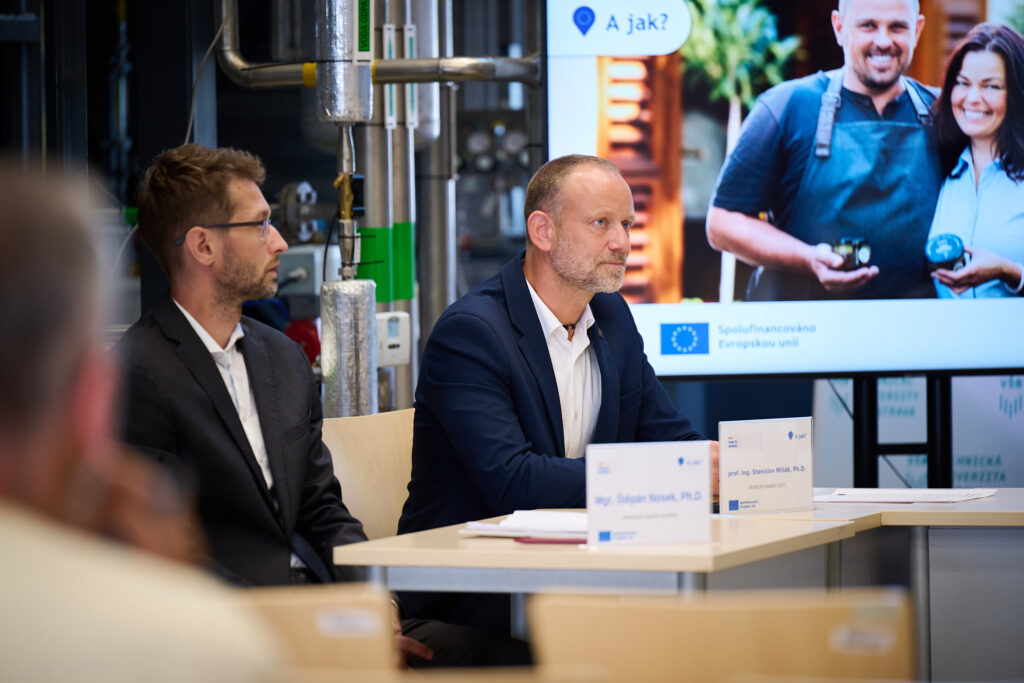
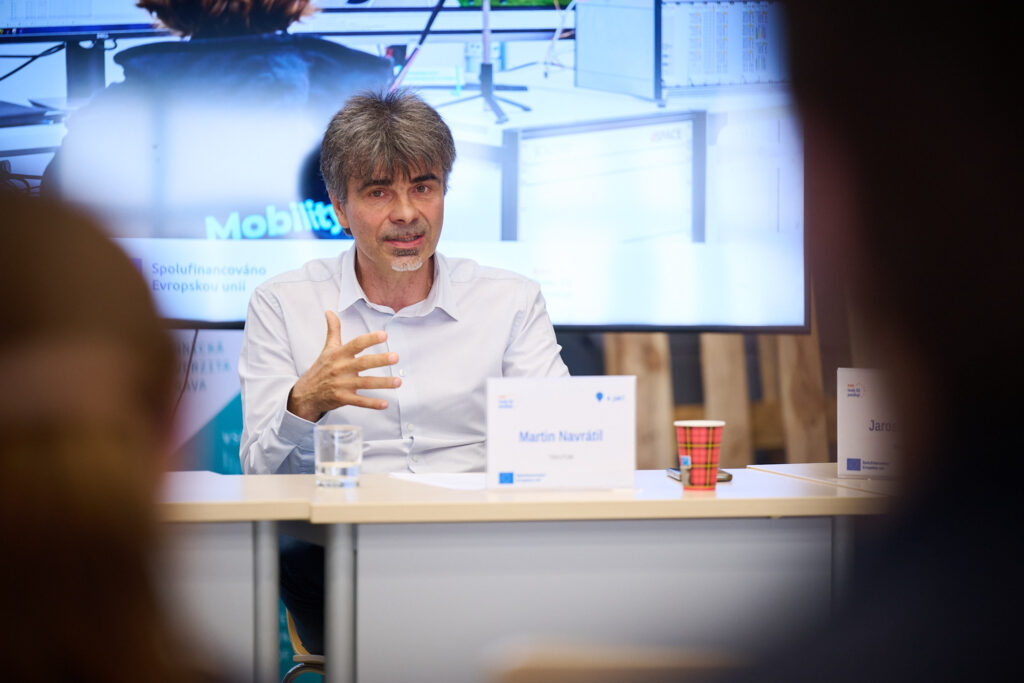
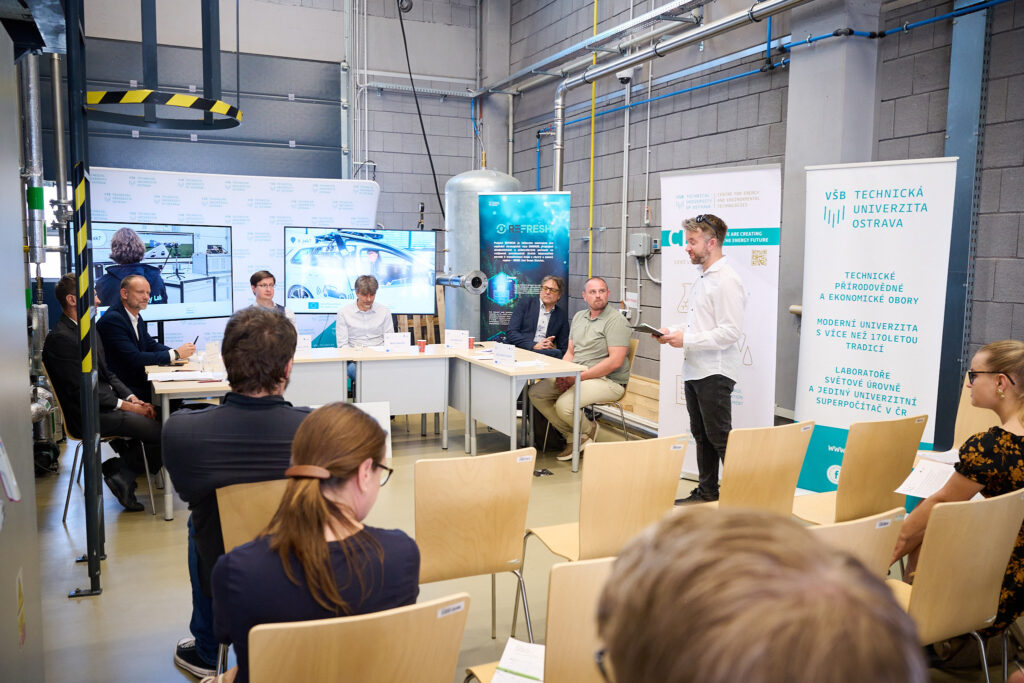
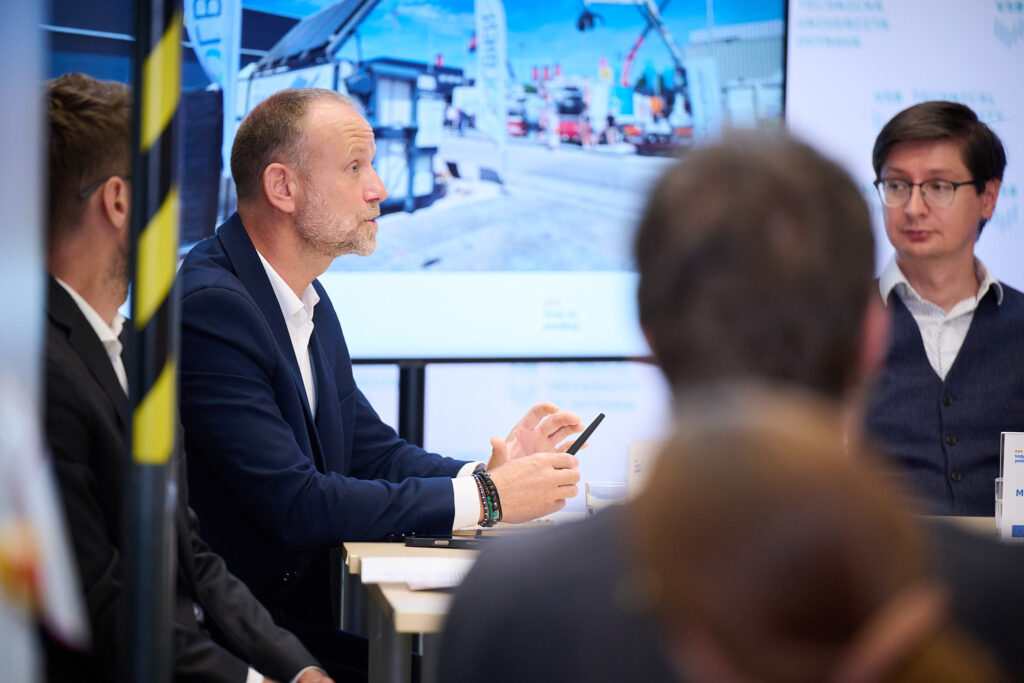
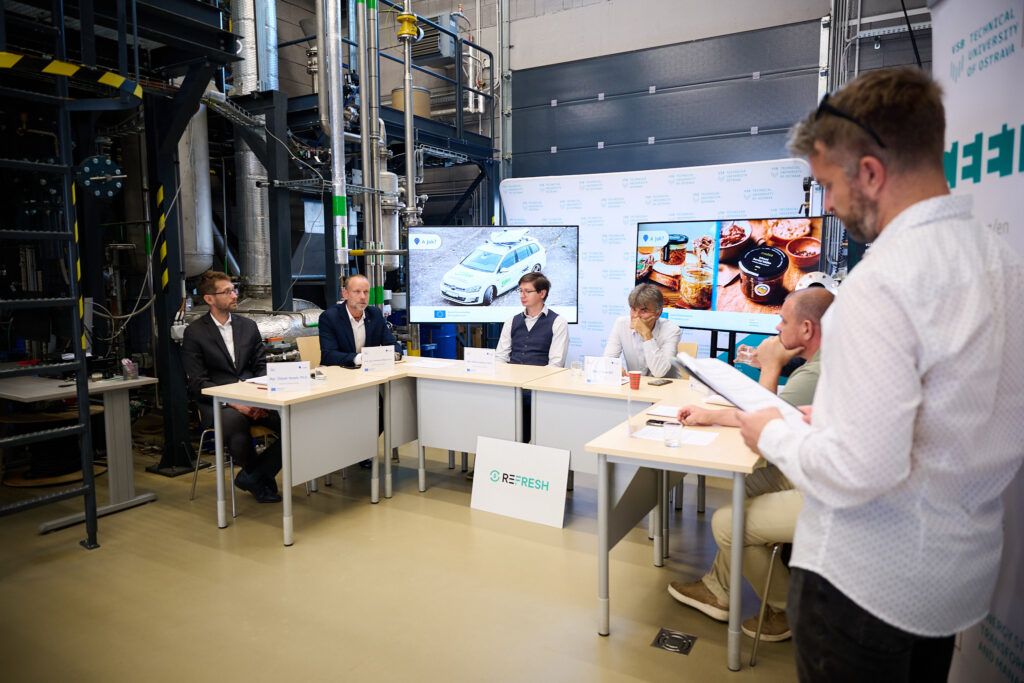
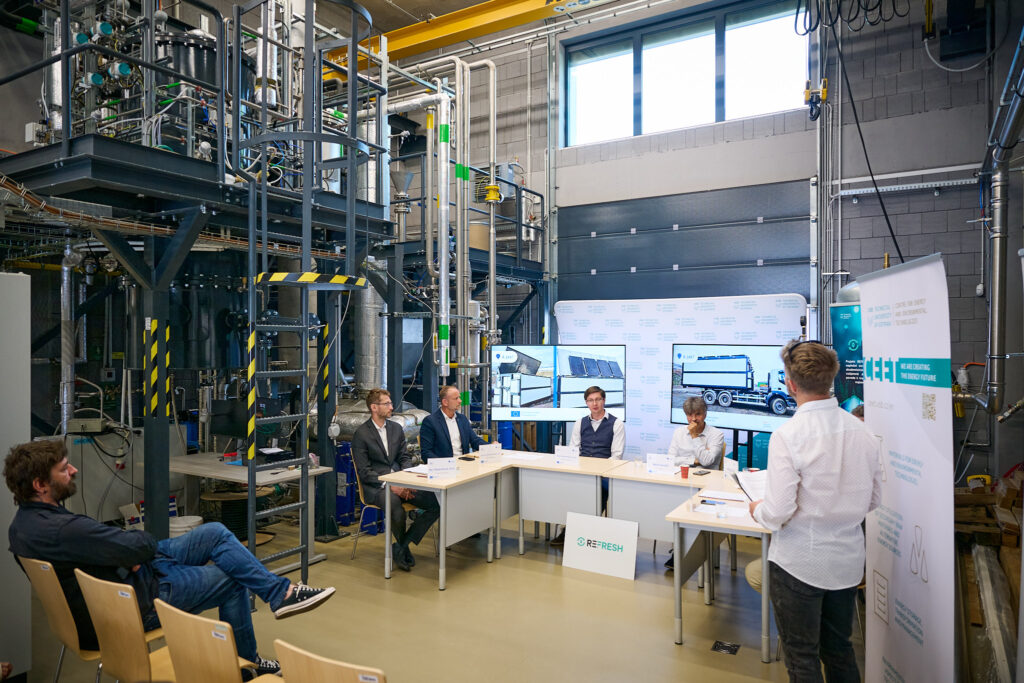
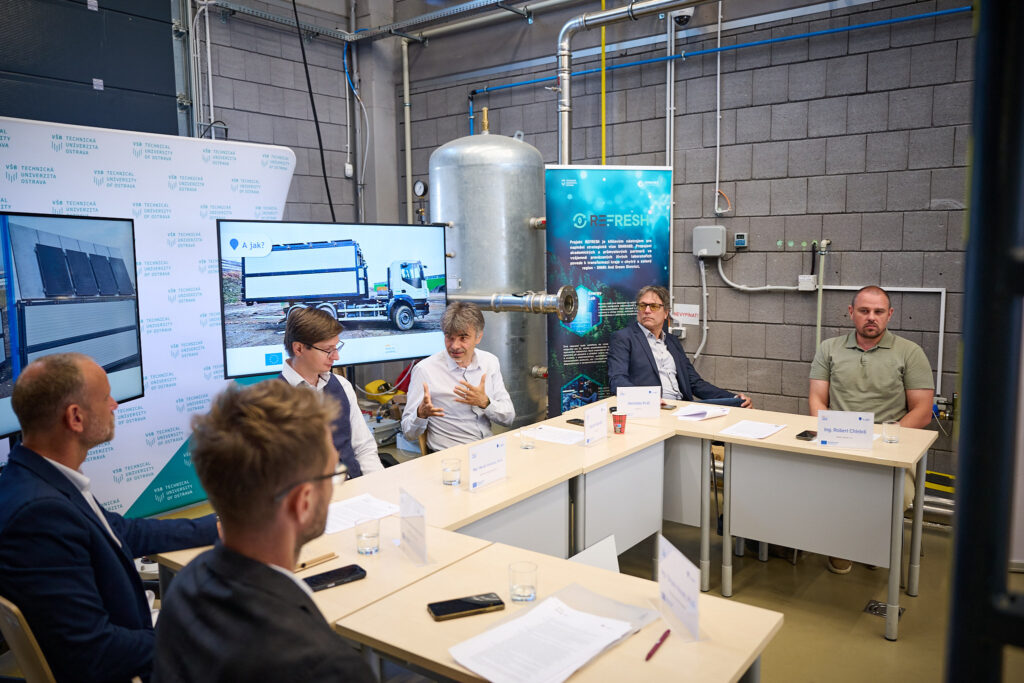
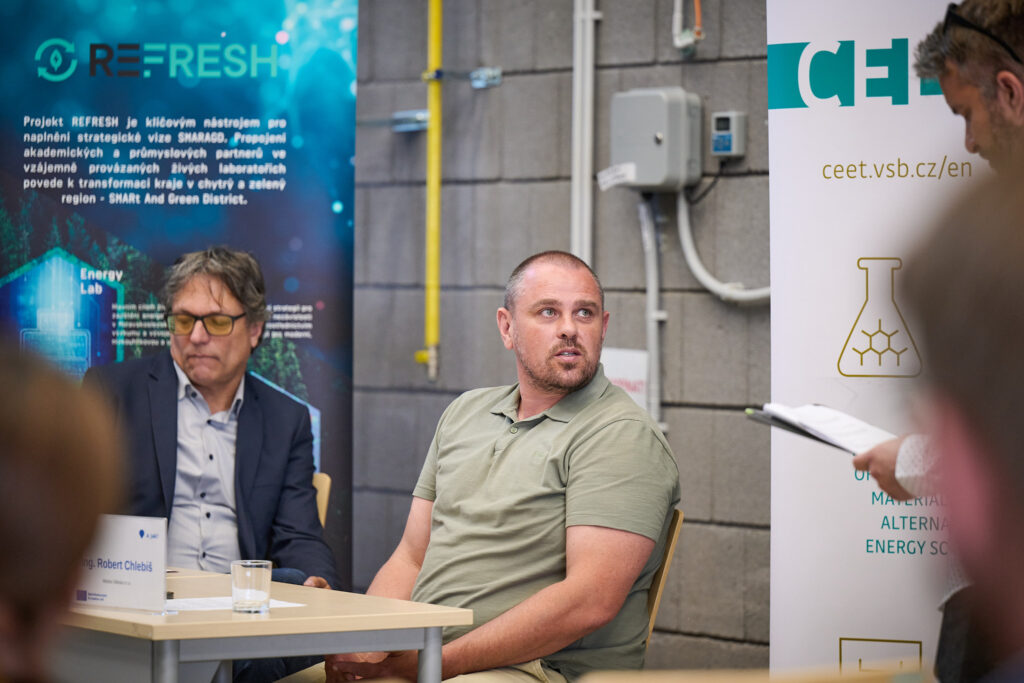
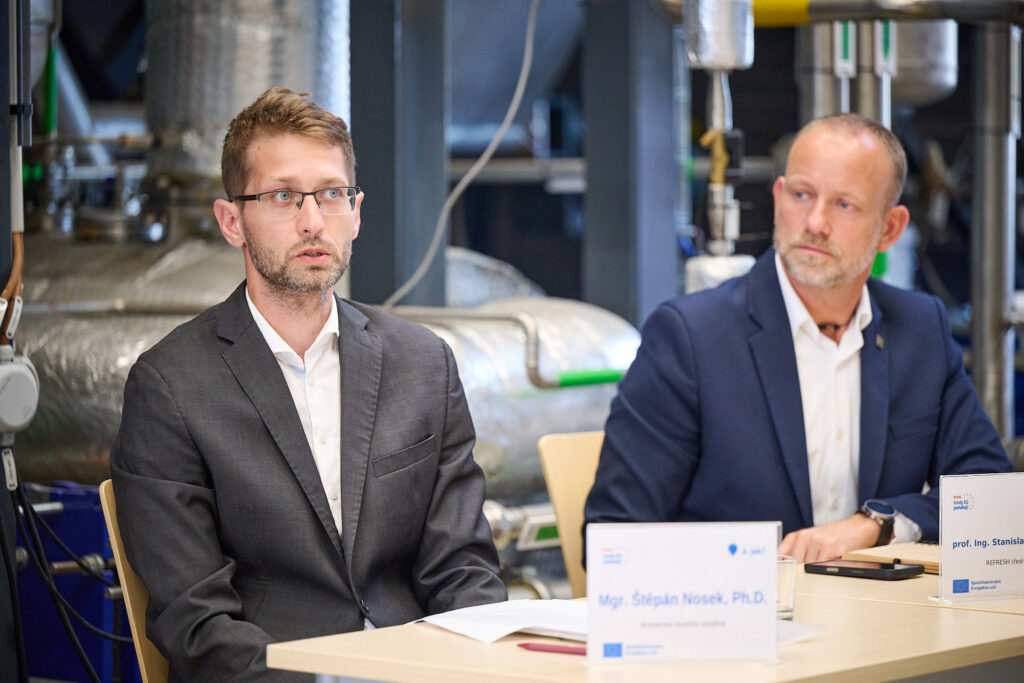
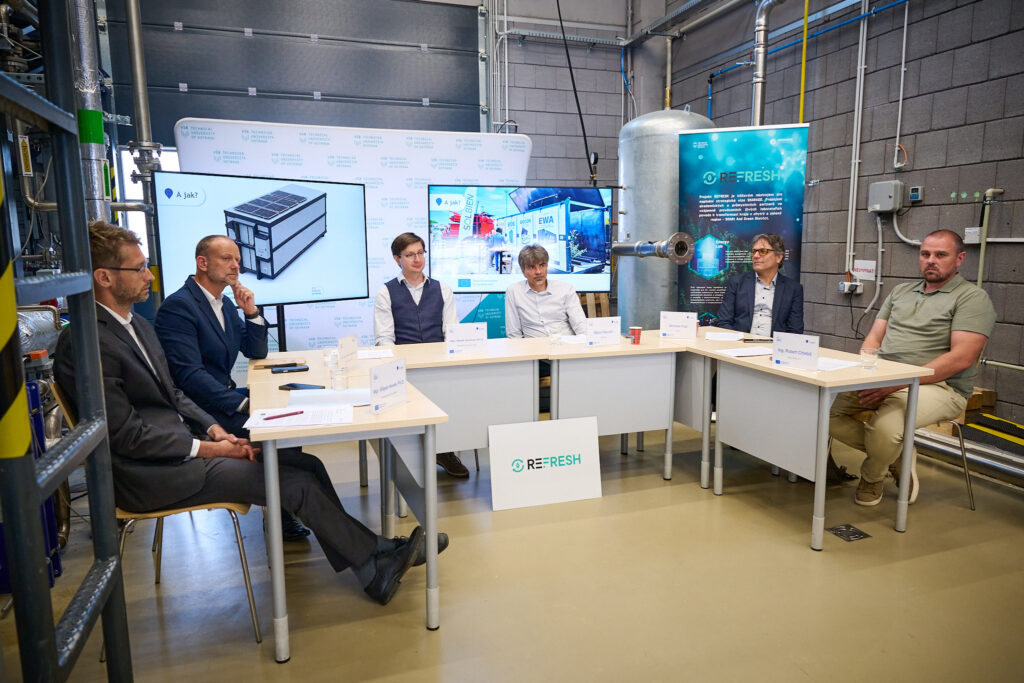
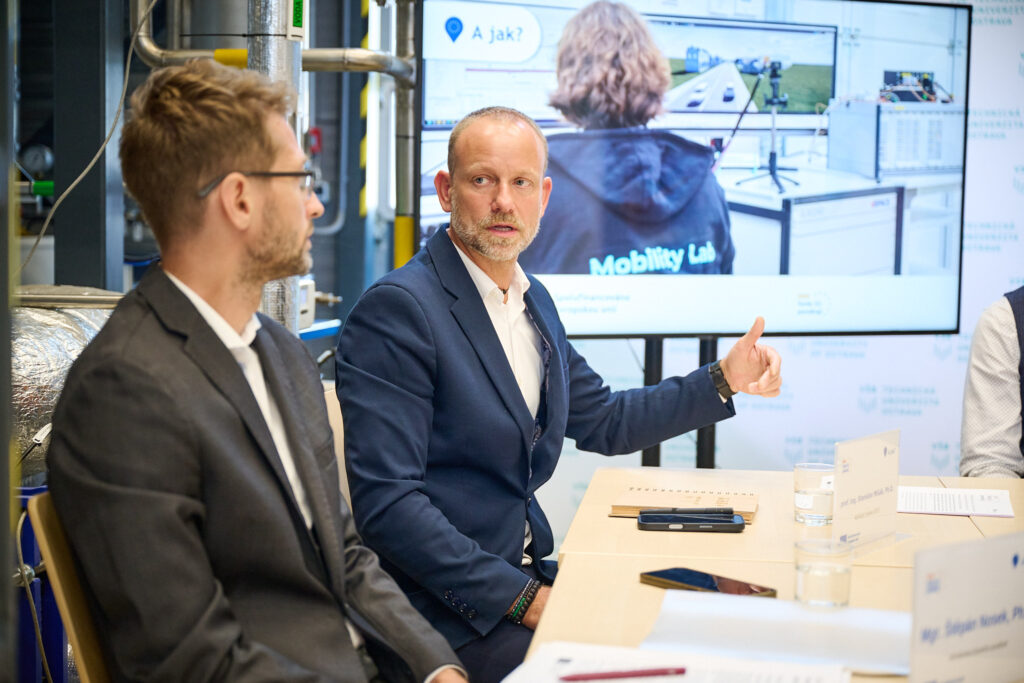
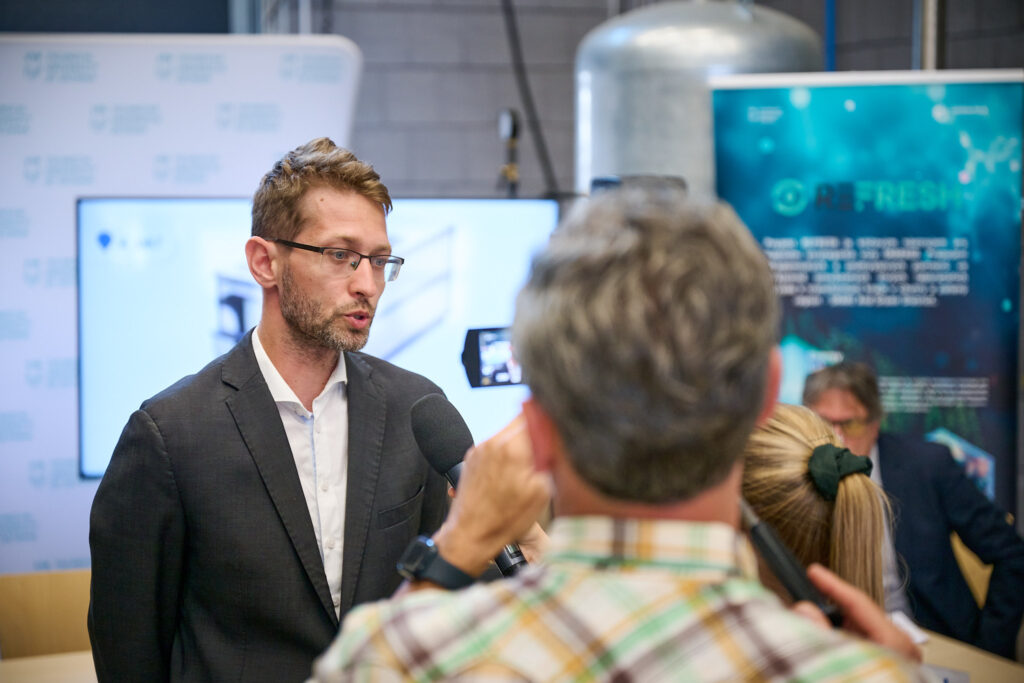
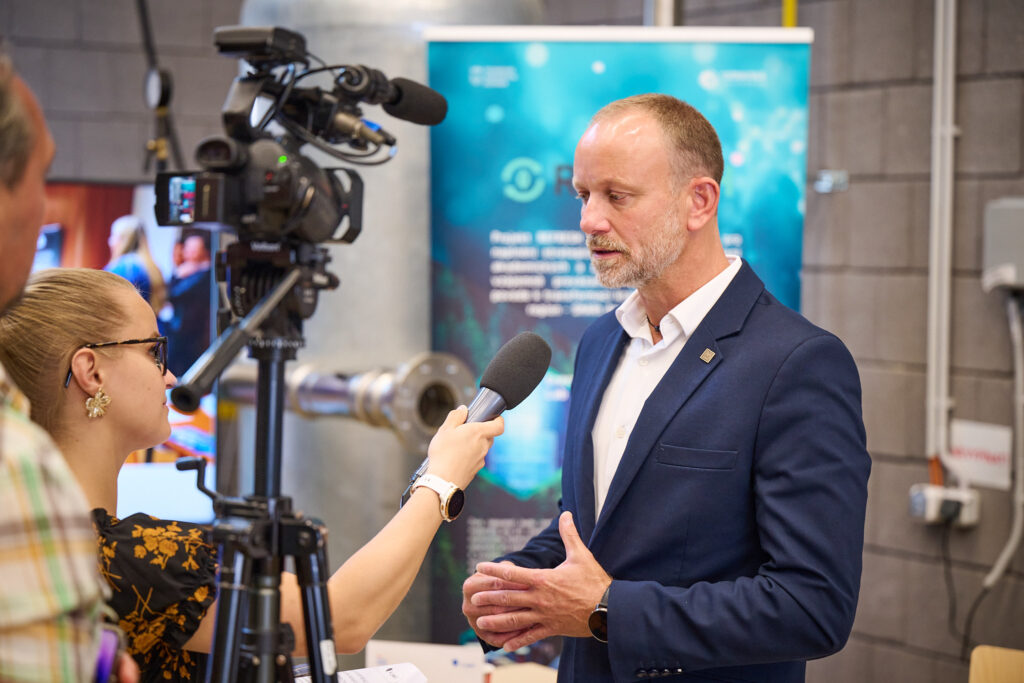
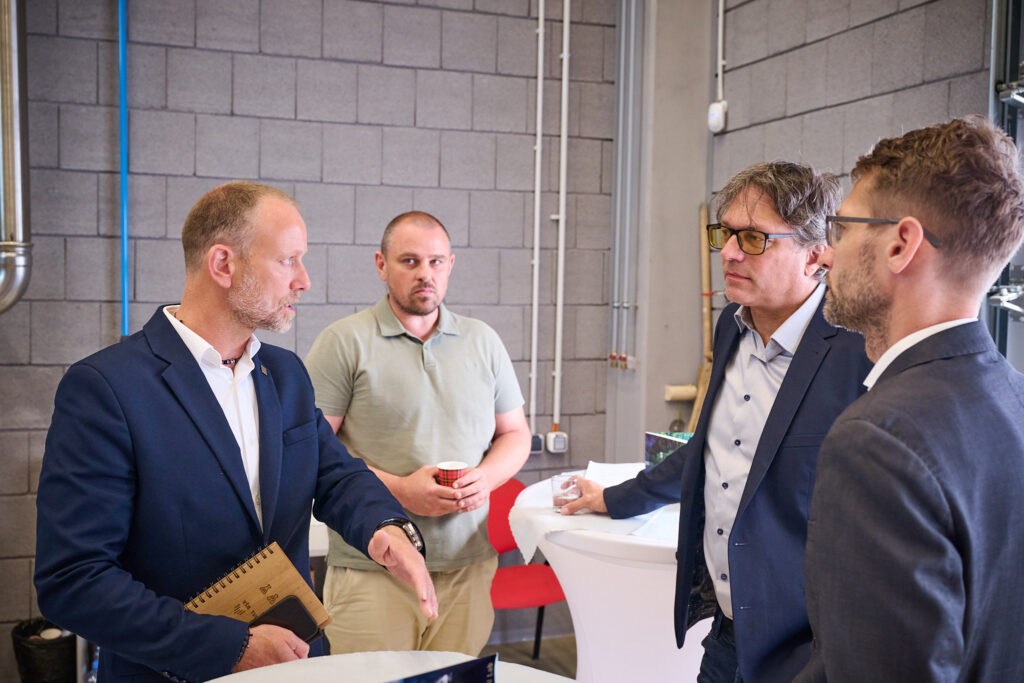
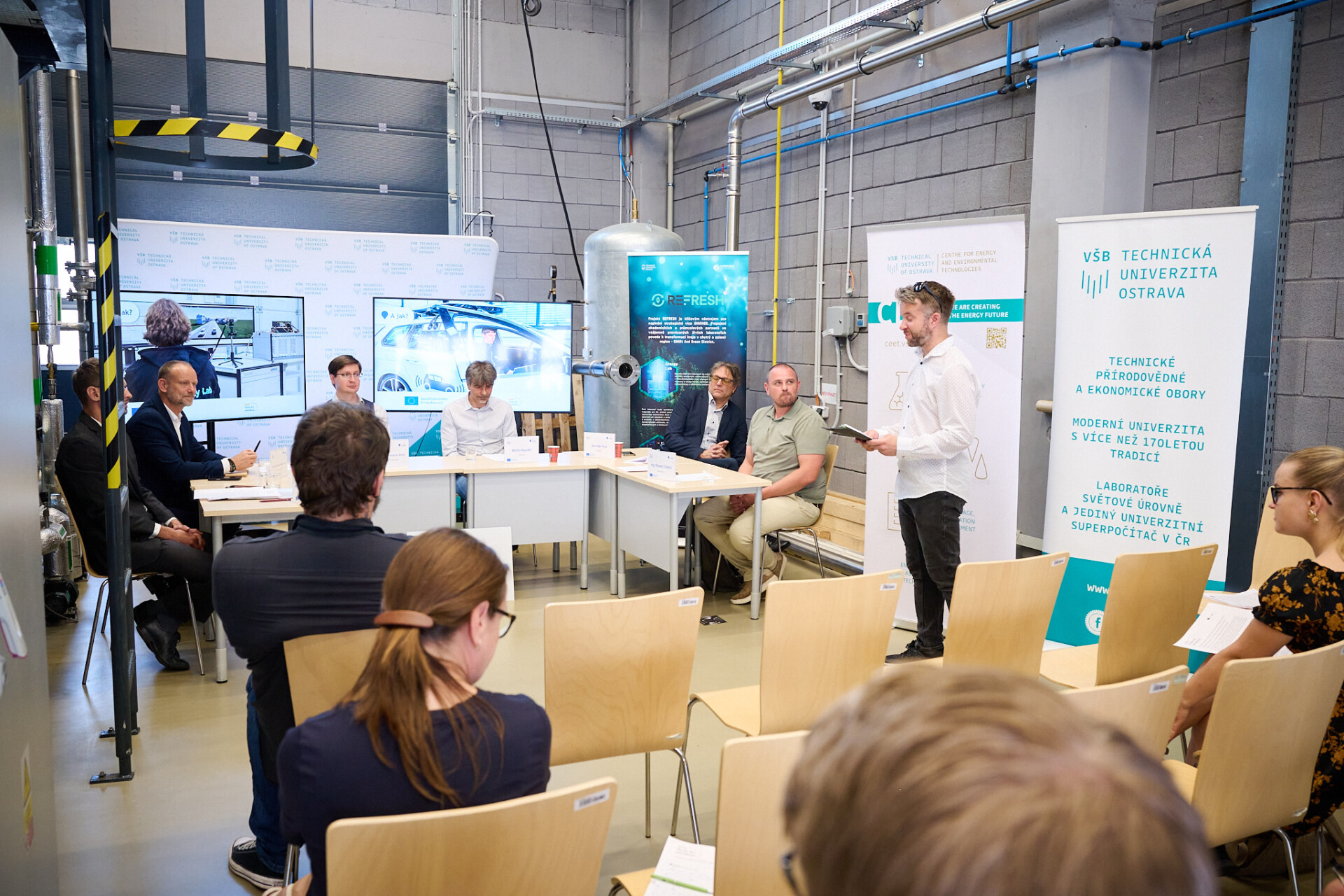
Today’s media briefing at the Center for Energy and Environmental Technologies (CEET) at VŠB-TUO focused on the transformation of the Moravian-Silesian Region and the strategic projects supported by the Operational Programme Just Transition. Participants in the panel discussion included representatives of REFRESH, the largest project in VŠB-TUO’s history.
Journalists learned about REFRESH as well as the TRAUTOM and BIOKON projects implemented by Solbien and the activities of Medoo Silesia. With funding of CZK 2.5 billion, REFRESH is one of the region’s flagship transformation initiatives. The discussion highlighted how these projects are already contributing to regional development and what benefits they are expected to deliver in the coming years.
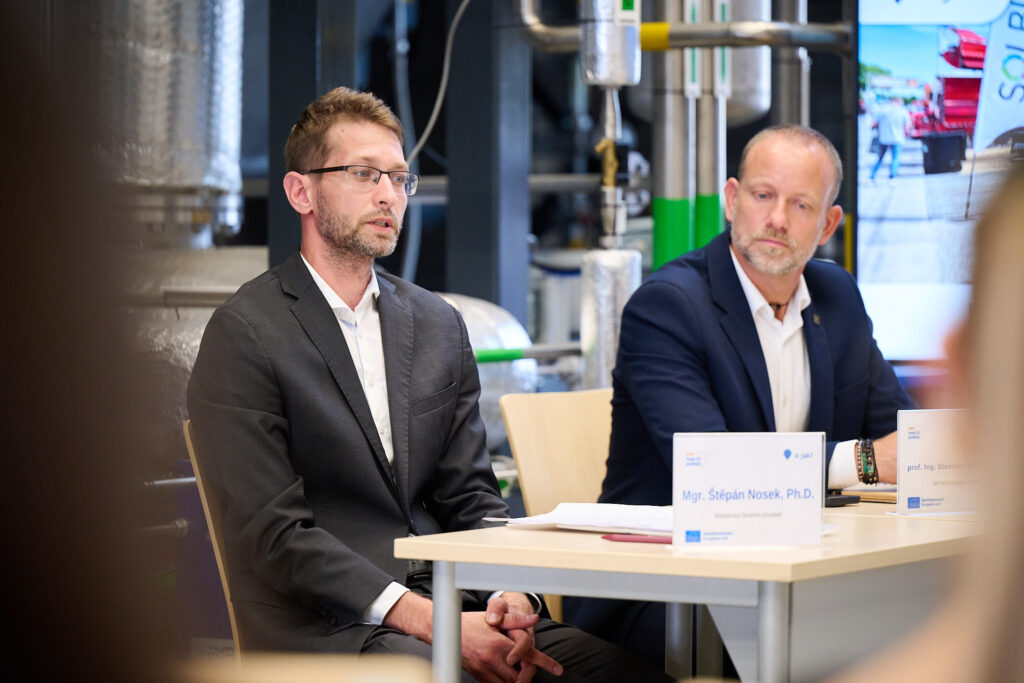
“The goal is not simply to spend European funds. The goal is to ensure that new technologies, functional services, and stronger cooperation among companies, schools, and institutions remain in the region, and, above all, to create reasons why people will want to live, work, and build their careers here,” said Štěpán Nosek from the Ministry of the Environment.
Shift toward modern technologies
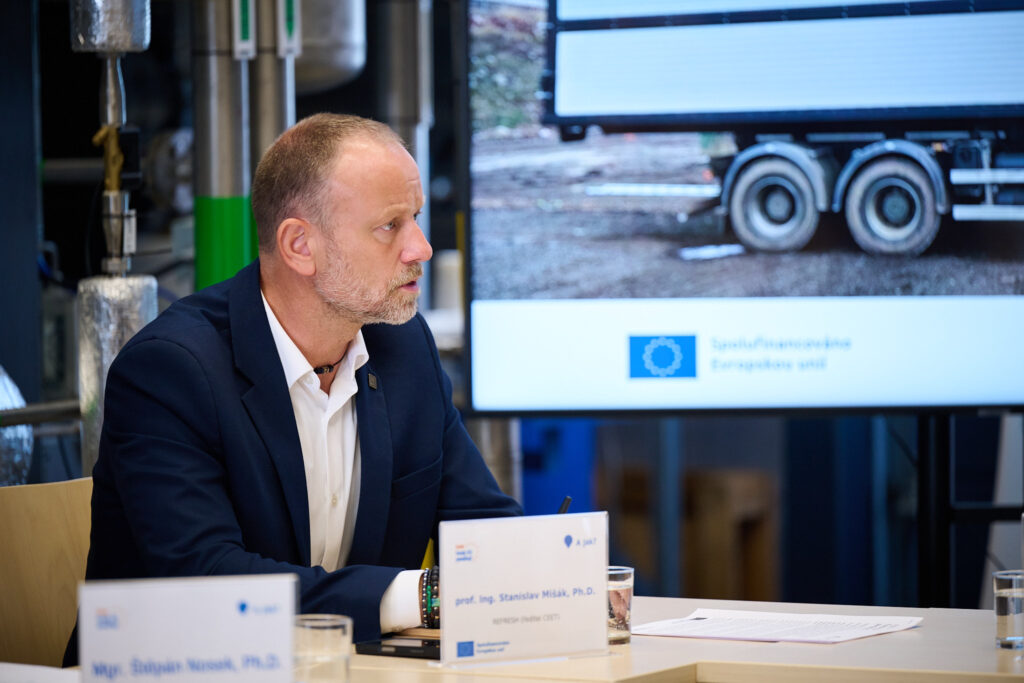
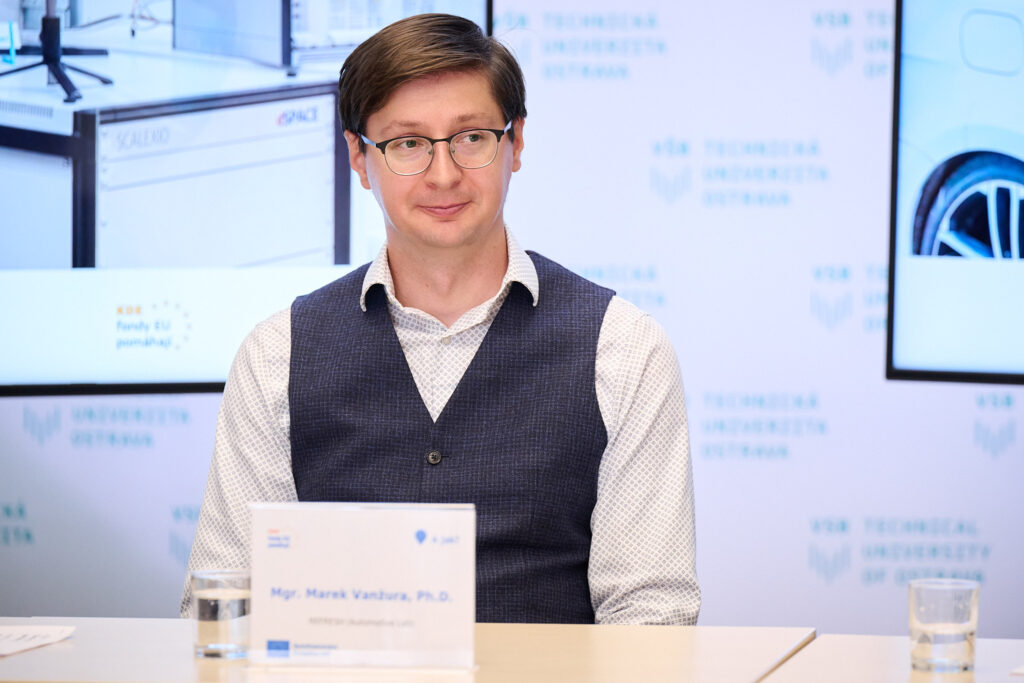
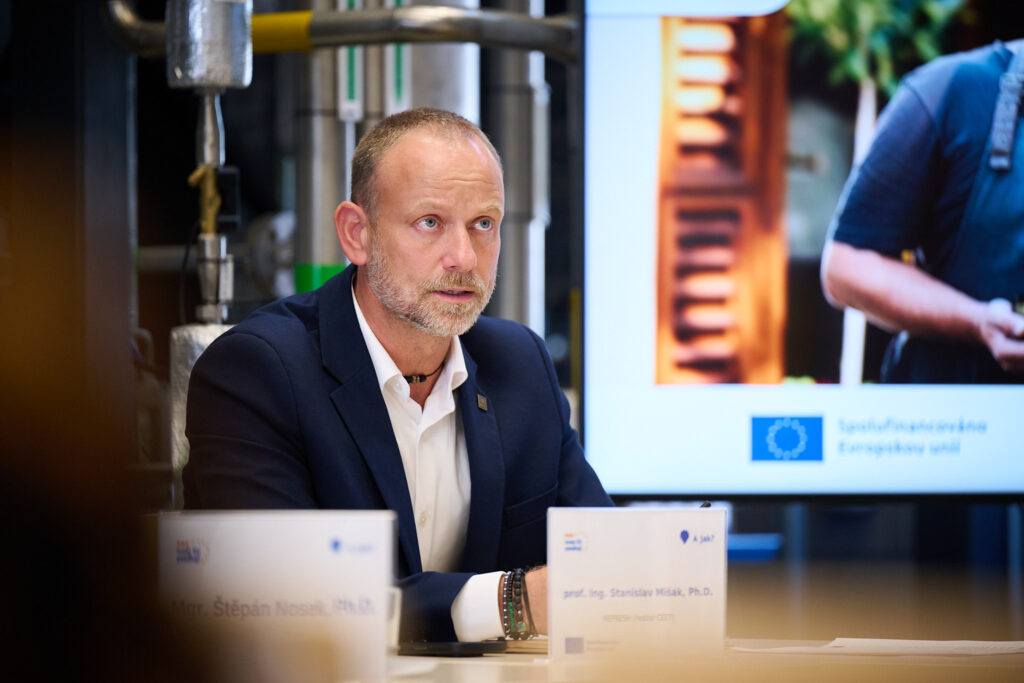
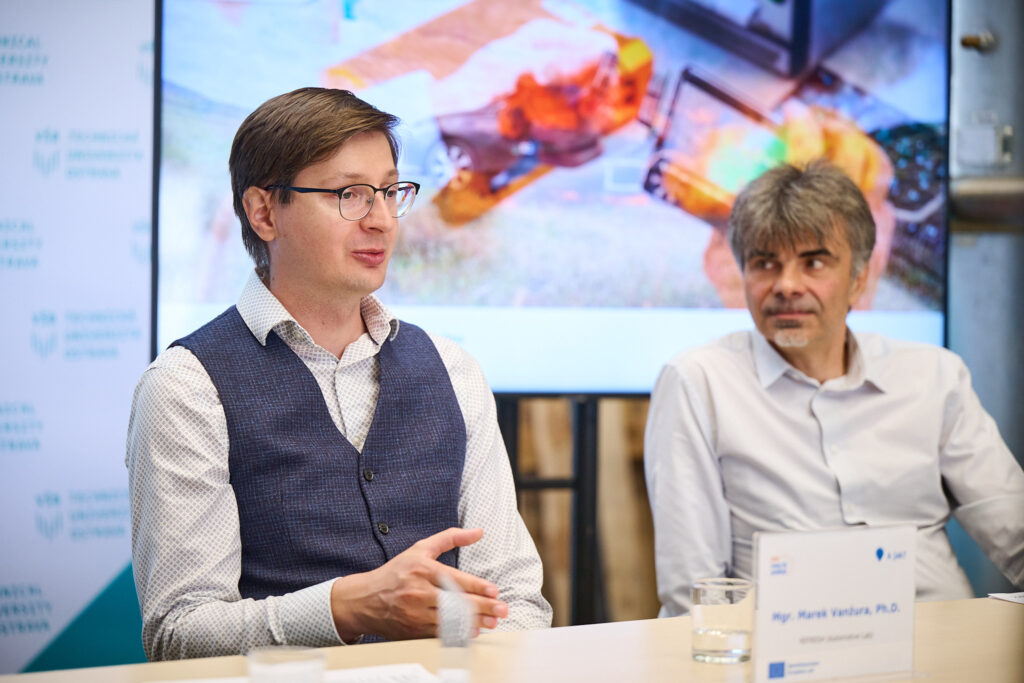
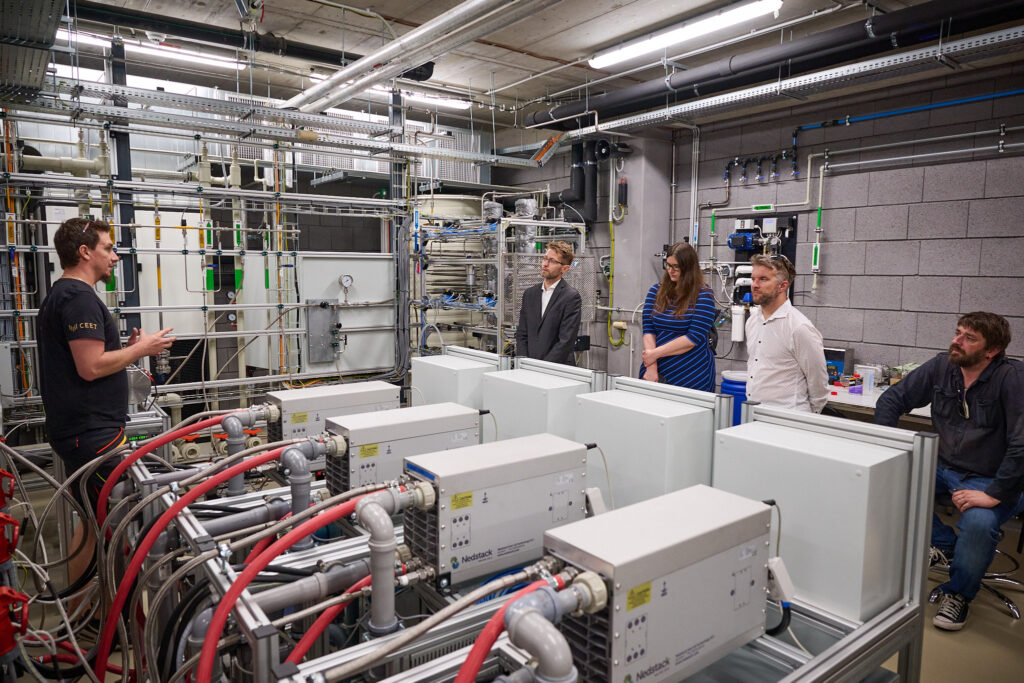
REFRESH representatives Stanislav Mišák, Director of the Center for Energy and Environmental Technologies (CEET) and Scientific Director of the Energy Lab, and Marek Vanžura from the Industry 4.0 & Automotive Lab discussed the role of advanced technologies in the region’s transformation.
“Transformation does not mean abandoning industry. It means steering it toward modern technologies with higher added value while building on the knowledge and experience accumulated here over generations,” said Stanislav Mišák. According to him, the Moravian-Silesian Region has all the prerequisites to become one of Central Europe’s leading hubs for energy innovation. Research into hydrogen technologies plays a particularly important role, as these solutions could help decarbonize industry, transport, and the energy sector in the years ahead.
The discussion also addressed the automotive sector, one of the region’s key industries. The sector is undergoing a profound transformation driven by electromobility, automation, advanced sensor systems, software-defined vehicles, cybersecurity, and the growing use of data and artificial intelligence. In this context, close cooperation among researchers, companies, and new competencies will be crucial in determining whether the region strengthens its position in modern industry or falls behind.
“Automakers and their suppliers are currently facing a major transformation. Through REFRESH, we therefore collaborate with companies not only on traditional engineering tasks but also on the development of future-oriented solutions, from automated driving and remote vehicle control to digital twins, which enable the safe testing of new technologies using virtual replicas of vehicles, production lines, or entire operations, and software applications powered by artificial intelligence. One tangible outcome is the planned deployment of an autonomous minibus in Ostrava-Poruba based on technologies developed within REFRESH,” said Marek Vanžura from the Faculty of Electrical Engineering and Computer Science and the Industry 4.0 & Automotive Lab.
As highlighted during the discussion, REFRESH has already attracted approximately 175 new researchers to Ostrava, resulted in nine patent applications, and generated commercialization and contract research revenues worth hundreds of millions of crowns. The project strengthens cooperation between the university and industry, supports companies in adopting new technologies, and contributes to the creation of high-value-added jobs.
“Modern technologies alone are not enough if we lack experts to develop and use them, as well as companies capable of implementing them. The region’s greatest assets are the people, knowledge, and technologies already present here. Our task is to ensure they remain in the region and continue to evolve long after the project has ended,” added Mišák.
Consulting for individuals and corporate training
The second major topic of the meeting was the development of 21st-century skills. The TRAUTOM project, led by the Moravian-Silesian Employment Pact in partnership with VŠB–TUO, currently cooperates with more than 80 companies across the region. Seventeen of them have already submitted their own training projects. By the end of 2026, TRAUTOM aims to support 5,000 people in the Moravian-Silesian Region. The project has received nearly CZK 89 million in EU funding.
Its ambition, however, goes beyond training a specific number of participants. TRAUTOM seeks to establish a sustainable regional support system that includes career counselling for citizens, a consulting centre for corporate training, cooperation with schools and the Labour Office, the TRAUTOM portal https://trautom.cz/en/connecting the supply and demand of training opportunities, and the Career Guide mobile application.
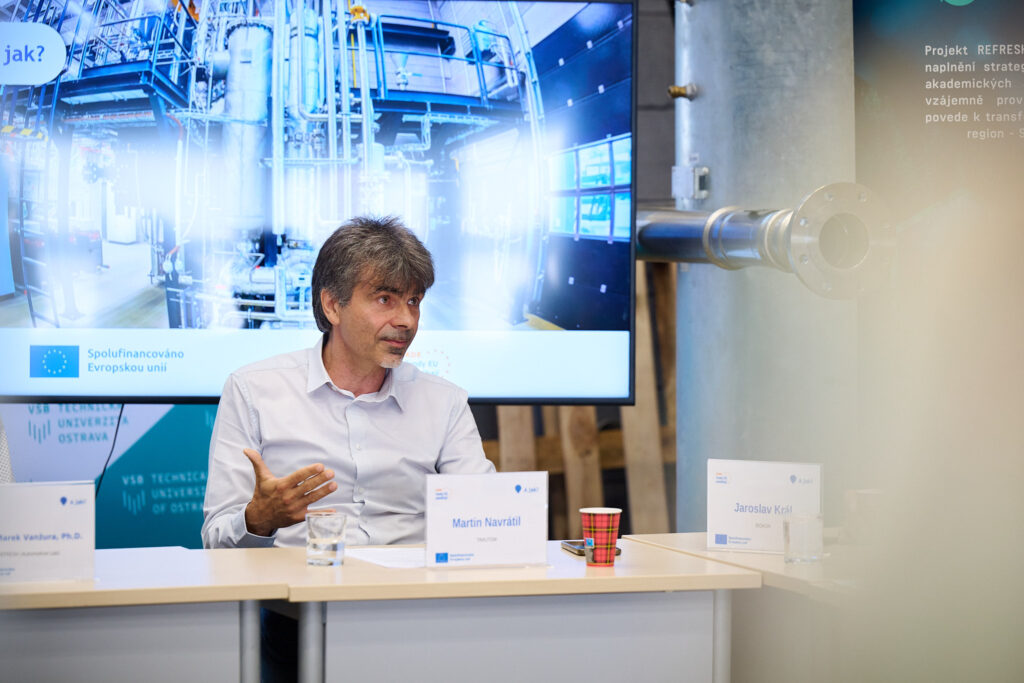
“Together with companies, we are transforming concerns about the changes that inevitably lie ahead into concrete and achievable transformation plans. These plans help businesses strengthen their competitiveness while ensuring that employees remain employable in the future, whether with their current employer or elsewhere in the labour market,” said Martin Navrátil, the lead project manager.
Ministry of the Environment: Transformation is about more than investment
According to a representative of the Ministry of the Environment, the impacts of the Operational Programme Just Transition are already becoming visible across the region. The transformation is being driven not only by major strategic projects such as REFRESH and TRAUTOM, but also by investments in schools, public spaces, services for residents, and infrastructure that improve everyday life.
“We will be able to consider the transformation a success when young people no longer automatically leave the Moravian-Silesian Region, but instead see attractive career opportunities, a high quality of life, and a meaningful future here. That is precisely the aim of the programme – to ensure that the region becomes not merely a recipient of support, but a confident centre of the new economy,” added Nosek.
For the Moravian-Silesian Region alone, billions of crowns from the Just Transition Fund have been allocated for the 2021-2027 period. This forms part of a total package of CZK 42.7 billion designated for the Czech Republic’s three coal regions.